

From 1975 to Today: 50 Years of Suitcases and Israelis Traveling the World
August 16, 2026Updated October 23, 20264 min read
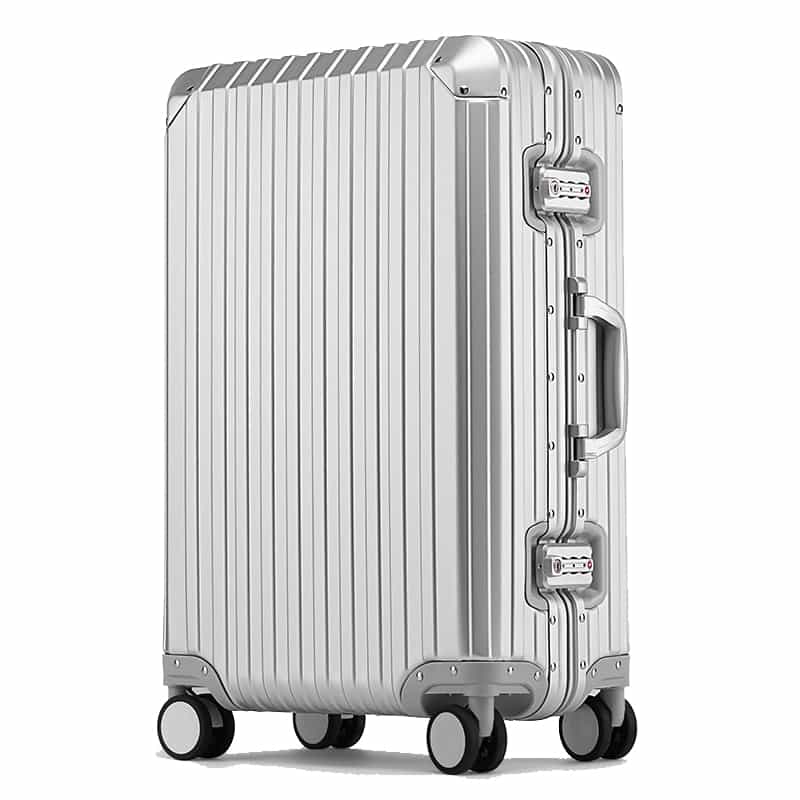
Since 1975, the world of travel has gone through a revolution: from heavy fabric suitcases without wheels that needed porters, through the two-wheel trolley revolution of the 1990s, to light hard-shell polypropylene suitcases with four 360-degree wheels, built for today's strict low-cost rules. The family business behind the Camel Mountain luggage brand has been there for this change, step by step, for 50 years.
Products in this guide

The 1970s and 1980s: the era of porters and heavy fabric
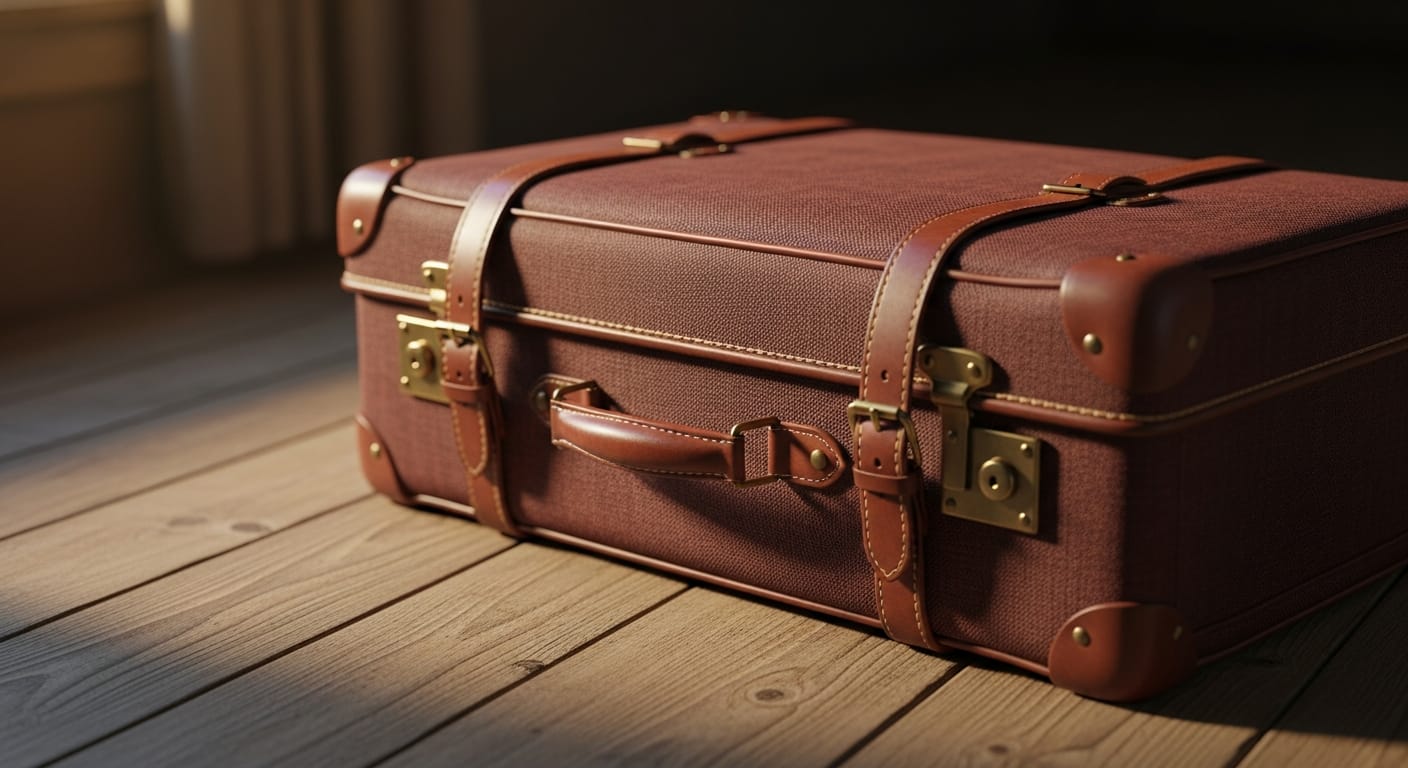
If you went back in time to 1975, the year the family business that Camel Mountain grew out of was founded, you would find a travel experience completely different from the one we know today. Going abroad in those days was a rare, festive event, one the whole family came along for, all the way to the old terminal at Ben Gurion Airport. Suitcases of that era were made of thick canvas, heavy leather or stiff synthetic materials, and had no wheels at all.
Carrying a suitcase in those days took real physical strength. Israeli travelers setting out to conquer Europe or the US had to carry their suitcases by hand, lift them into luggage racks on trains and rely on airport trolleys or hotel porters. The suitcase itself often weighed several kilos before the first item went in. That is exactly where the family business started: from the understanding that travelers need durable gear, strong stitching and handles that won't fail under load.
The 1990s: the great two-wheel trolley revolution
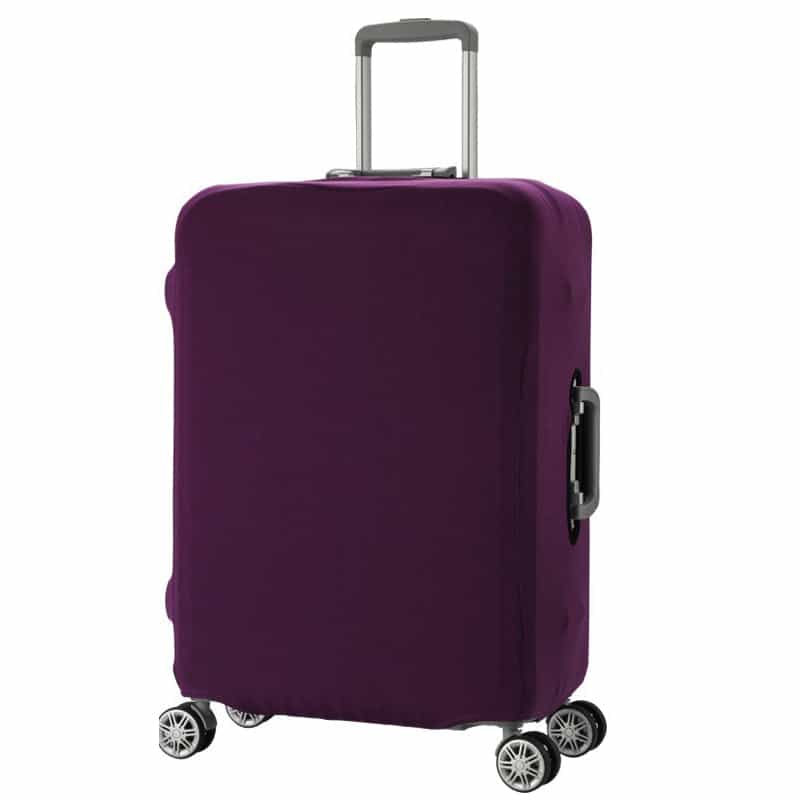
The 1990s brought the biggest change in the history of suitcases: the invention of the trolley. Suddenly, almost overnight, suitcases gained two small wheels and a pull-out telescopic handle. Travelers no longer had to lift the suitcase all the way, they could drag it behind them at an angle.
This change opened the door to longer independent trips. Young Israelis heading off on the big trip after the army to the Far East or South America, along with the first business people of Israel's growing tech industry, discovered the comfort of mobility. Suitcases became narrower, taller and easier to maneuver through busy streets and crowded train stations.
The 2000s and beyond: the move to hard, light and high-tech
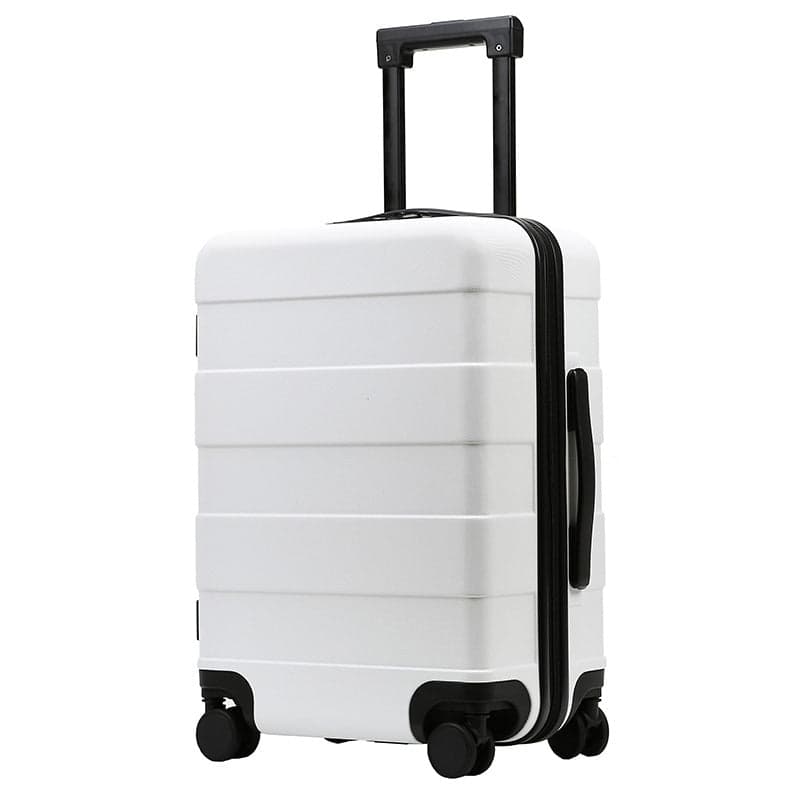
With the new millennium, materials went through a dramatic upgrade. Traditional fabric suitcases began making way for hard-shell suitcases made of advanced materials such as polypropylene. This material offers an unprecedented combination of almost no weight with extreme resistance to knocks, breaks and the weather.
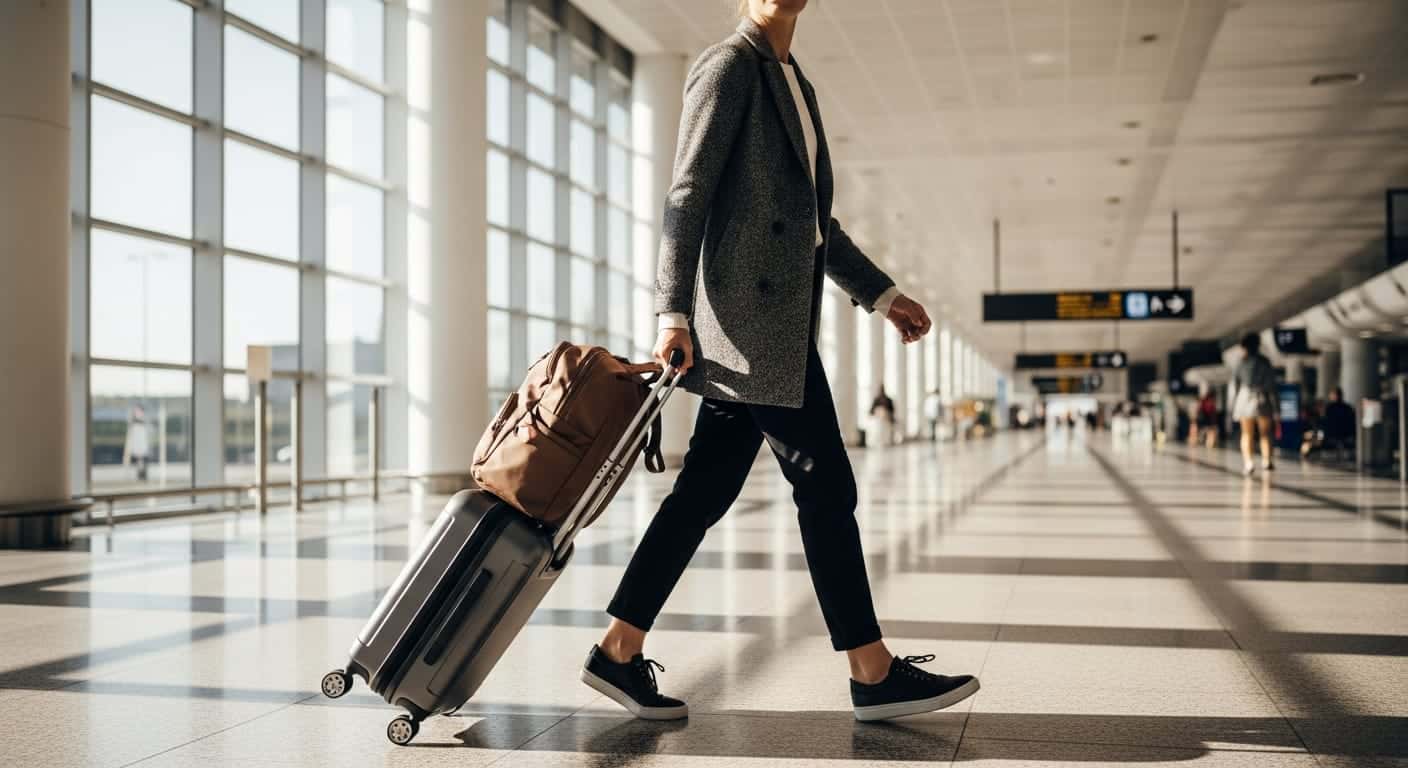
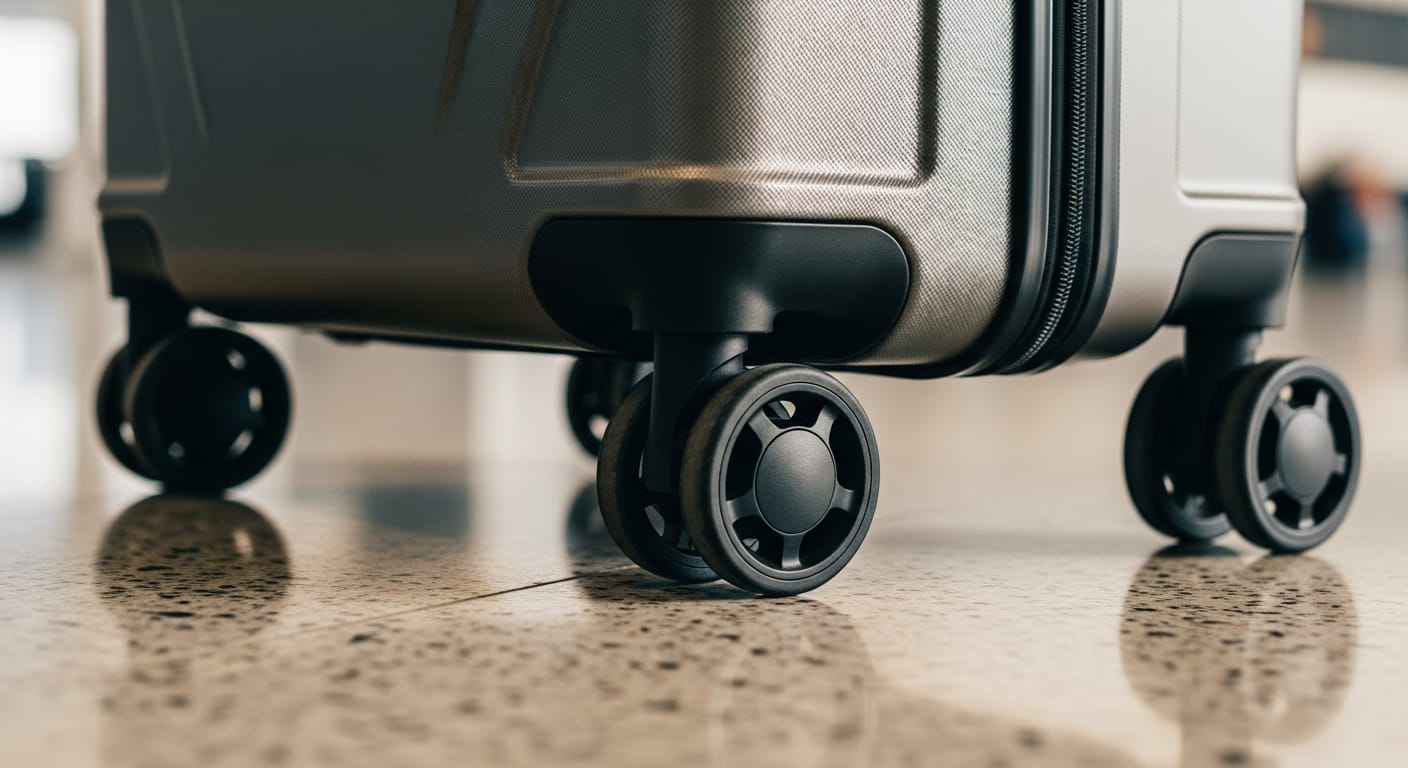
At the same time, the old two wheels were replaced by systems of four spinner wheels that turn 360 degrees. Suddenly there was no need to drag the suitcase behind you and load weight onto your shoulder: you can simply guide it alongside you without effort, even with one finger in the plane's narrow aisles.
The low-cost revolution and the need for precision
In recent years, with low-cost airlines entering the market, the rules of the game changed again. Airlines began charging significant fees for checked suitcases and set very strict size and weight limits on carry-on bags and trolleys going into the cabin. Travelers became experts at efficient packing, and the need for lightweight carry-on suitcases with precise dimensions became critical to avoid unnecessary fees at the boarding gate.
Comparison table: the evolution of the suitcase
| Feature | 1970s and 1980s | 1990s (the trolley era) | The modern suitcase (today) |
|---|---|---|---|
| Main material | Heavy canvas, leather, vinyl | Dense nylon, polyester | Hard, lightweight polypropylene |
| Wheel system | No wheels at all (carried by hand) | 2 fixed wheels (dragged at an angle) | 4 wheels turning 360 degrees (rolls smoothly alongside you) |
| Average empty weight | Very heavy (4 to 6 kg empty) | Medium (3 to 4 kg empty) | Especially light (2 to 2.5 kg empty for a carry-on) |
| Fit for air travel | No strict weight limits | Measured by total weight only | Maximum precision for low-cost rules |
50 years of Keep On Moving
As a family business with more than 50 years of experience (since 1975, and the Camel Mountain brand since 2006), we have been there for every one of these milestones. From the days when we made durable bags for the first travelers to today, when we supply advanced packing solutions to tech professionals, students, travelers and companies looking for quality gifts for their employees.
We believe in our products and give a comprehensive 10-year warranty on the shell of polypropylene hard-shell suitcases, as well as a 12-month warranty on bags, backpacks and components such as wheels, handles, telescopic mechanisms and zippers. With customers on every continent and international shipping through camelmountain.com, we are proud to share what we make with the whole world. Wherever you fly, always keep moving: Keep On Moving!
Products to help you on your way


Frequently asked questions
Why are polypropylene suitcases considered the best today?
Polypropylene is an advanced plastic that combines high flexibility with an especially low weight. That flexibility lets the suitcase absorb hard knocks during handling at airports without cracking or breaking, unlike older rigid materials.
What is the warranty period on Camel Mountain suitcases and bags?
We give a 10-year warranty on the shell of hard-shell suitcases made of polypropylene. In addition, there is a 12-month warranty on bags and backpacks, and a 12-month warranty on suitcase components such as wheels, handles, the telescopic mechanism and zippers.
Share this guide
Keep shopping
Our collections related to this guide


