


Fire on the Runway: How to Protect Your Valuables in Flight Emergencies
October 23, 2026

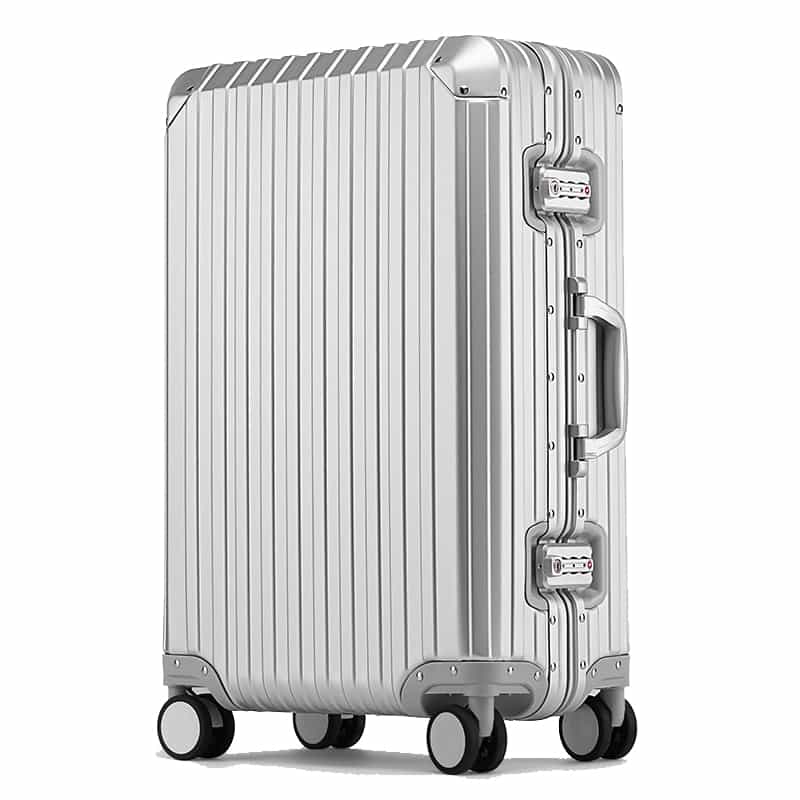
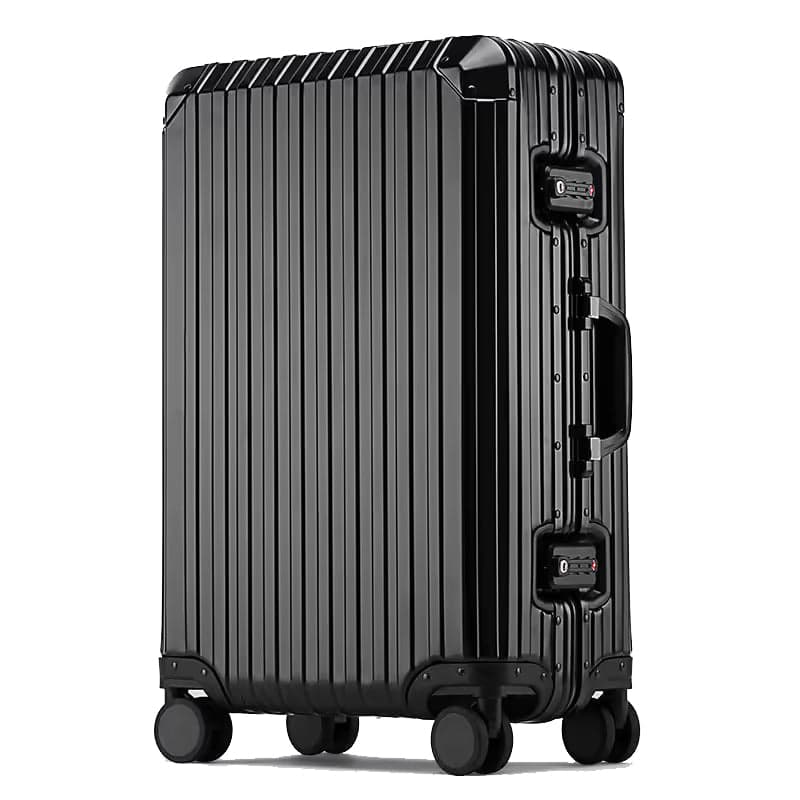
To protect valuables and documents from fire or extreme loss on a flight, the most important rule is never to send them in the hold, but to keep them in your carry-on bag. It's also recommended to use full aluminum suitcases, which offer exceptional resistance to heat and physical impact compared to plastic or fabric suitcases.
The lesson from Milan: anatomy of the risk in the hold
The dramatic report on the IAS website about a baggage container that caught fire on the runway at Milan Malpensa Airport, just before an easyJet flight took off, made waves among travelers around the world. The incident, which miraculously ended with no injuries but with heavy damage to property, reminds us once again of the simple truth of air travel: from the moment we hand over our suitcase at the check-in counter, our control over its fate drops to almost zero. Cargo containers are sometimes exposed to extreme temperatures, violent jolts, and in rare but dangerous cases, fires, usually caused by faulty lithium batteries packed against the guidelines.
As a family business that has been accompanying travelers since 1975, we at Camel Mountain see incidents like this as an important warning sign. The best way to deal with extreme situations like these isn't to hope for the best, but to prepare correctly in terms of gear and packing strategy. So how do you really protect what matters, and can the material your suitcase is made of make the difference between heartbreak and saving your belongings?
Aluminum vs plastic and fabric: is there a fireproof suitcase?
Let's start by busting a myth: no suitcase is 100% "fireproof" under prolonged burning of jet fuel or an industrial fire in a cargo container. However, there's a huge difference between materials when it comes to heat resistance, protecting the contents from radiant heat, and keeping sparks and smoke out.
Fabric suitcases (nylon or polyester) are the most vulnerable to fire and extreme heat. They can catch fire quickly or melt. Hard plastic suitcases (such as polycarbonate, polypropylene or ABS) offer better protection against moisture and impacts, but under extreme heat they will deform structurally and melt, exposing the contents to smoke and soot.
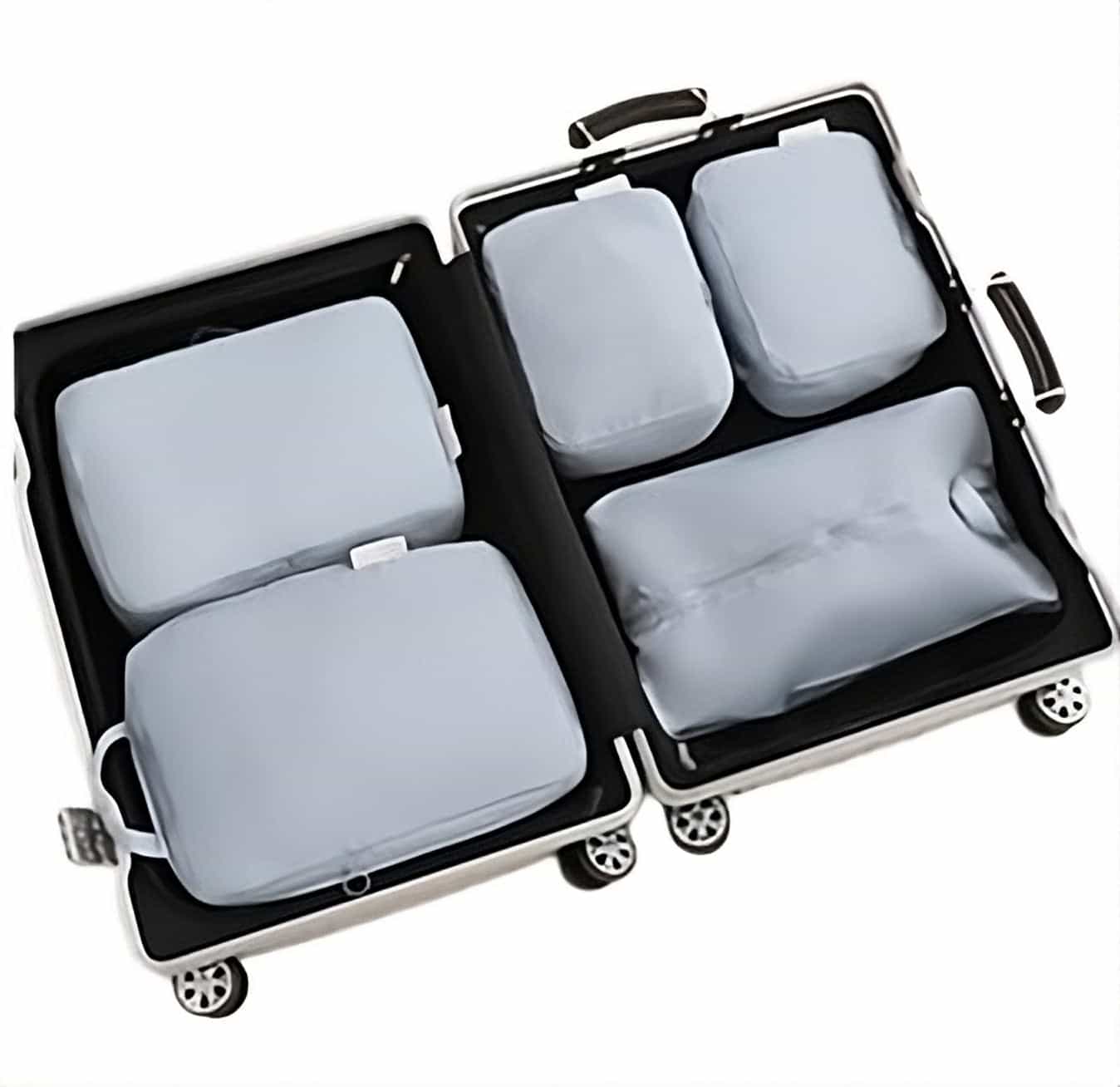
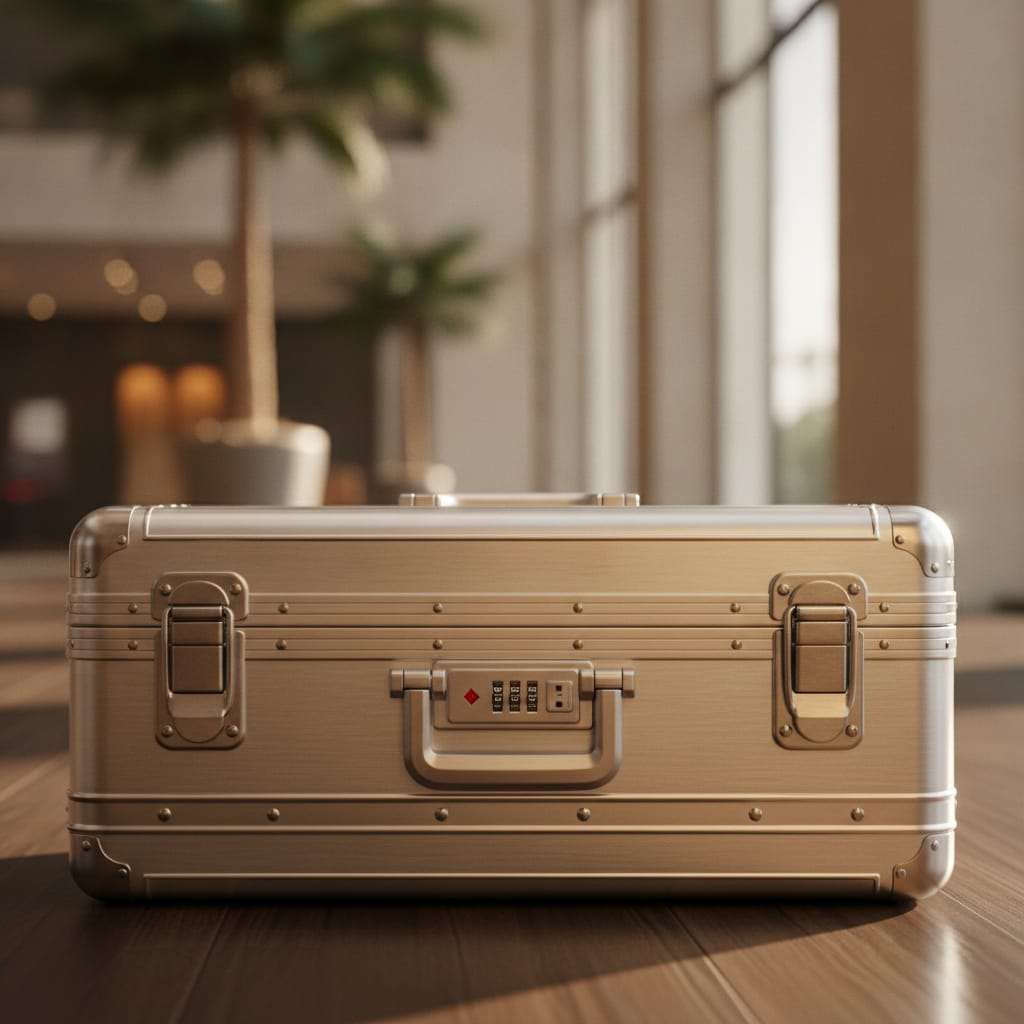
This is where full aluminum suitcases come into the picture. Aluminum is a metal with a particularly high melting point (around 660 degrees Celsius). A quality aluminum suitcase doesn't use zippers (an obvious weak point for fire, water and smoke to get in), but a sealed frame with rubber gaskets and rigid clip locks. In the event of a nearby fire or high radiant heat, an aluminum suitcase gives the contents the best chance of survival, and keeps sparks and smoke from getting inside and ruining your clothes and gear.
| Suitcase material | Resistance to heat and fire | Resistance to impact and crushing | Sealing (zipper vs clips) | Own weight |
|---|---|---|---|---|
| Full aluminum | Very high (doesn't burn or melt in normal heat) | Extreme (rigid metal structure) | Maximum (sealed clip closure with no zipper) | Relatively heavy |
| Polycarbonate / ABS | Medium (melts at high heat) | Very good (flexible and absorbs energy) | Medium to high (depends on the zipper quality) | Light to medium |
| Fabric (nylon/polyester) | Low (may catch fire or melt) | Good (doesn't break, but may tear) | Low (zippers let in water and dust) | Very light |
A smart packing strategy: splitting the risk between the hold and the cabin
With all due respect to suitcase materials, the best protection is simply not to put your sensitive items at risk in the first place. We recommend adopting a "risk splitting" approach on every trip:
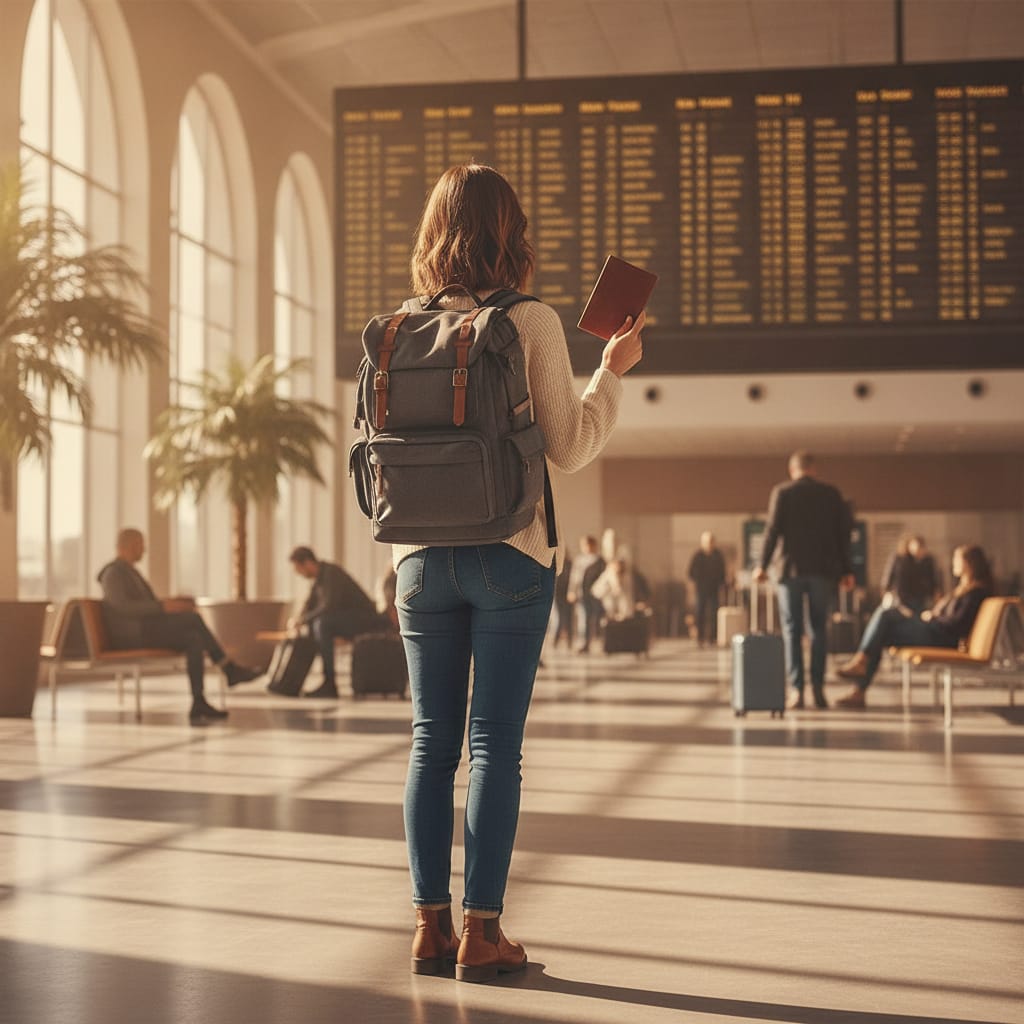
1. The iron rule of the carry-on
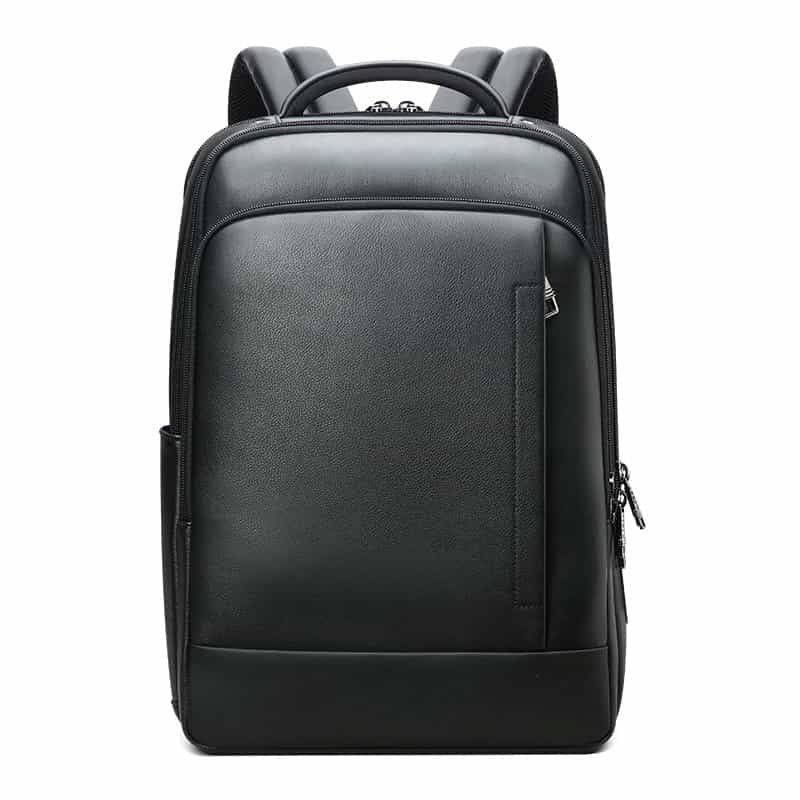
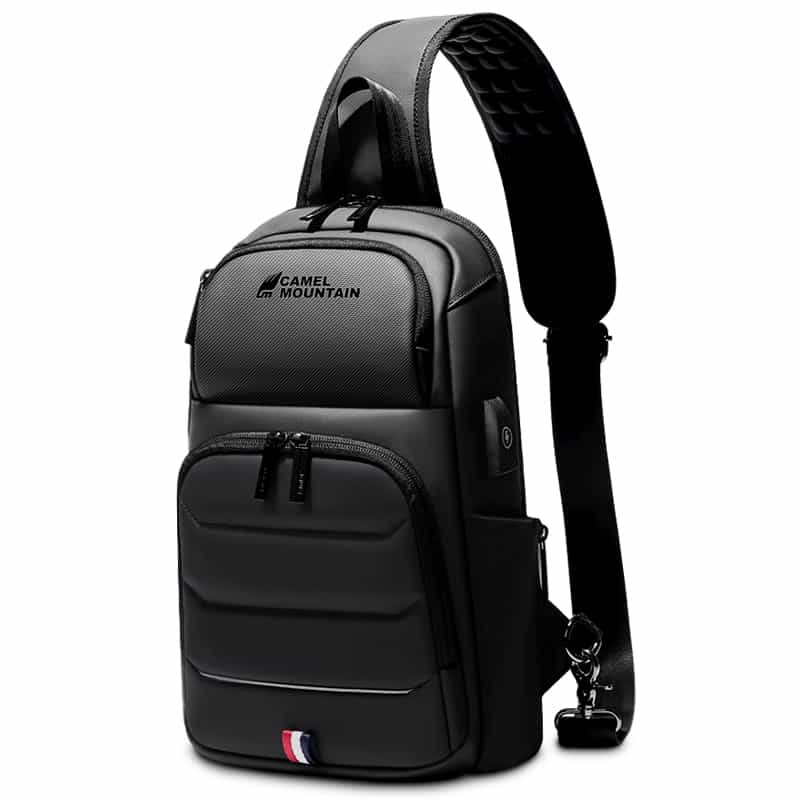
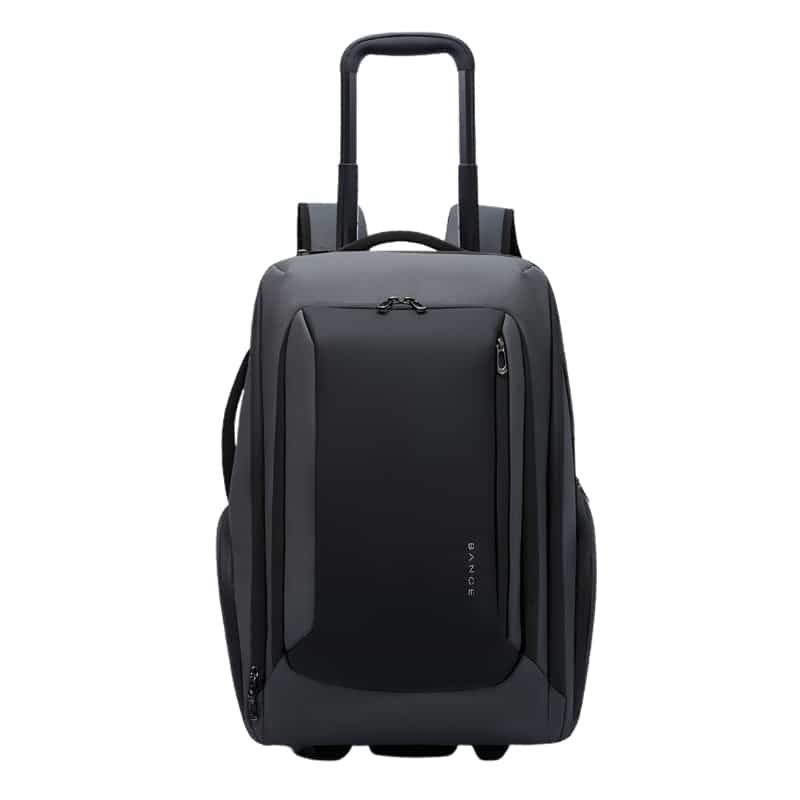
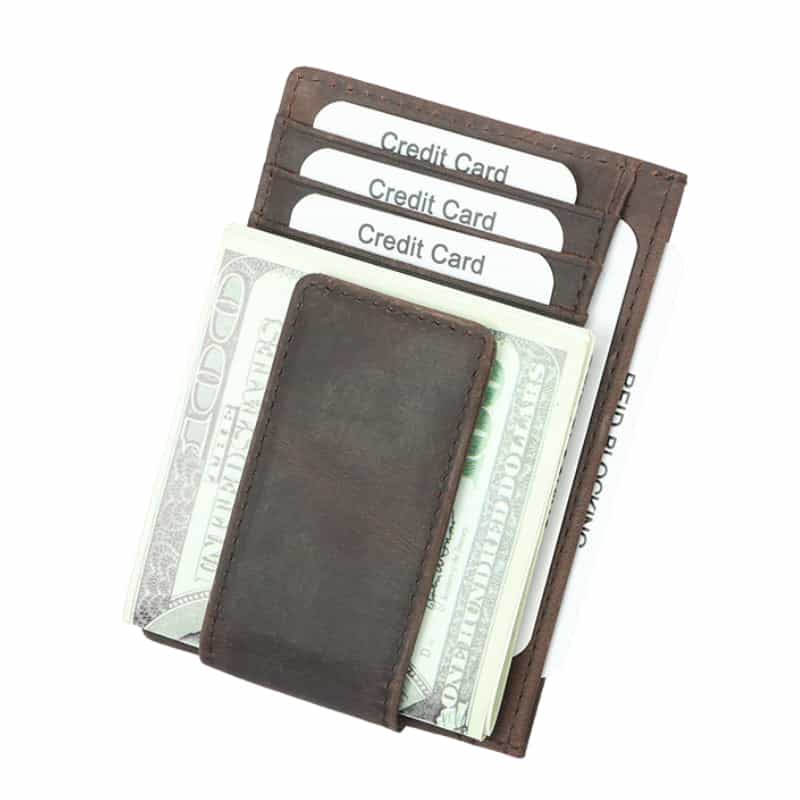
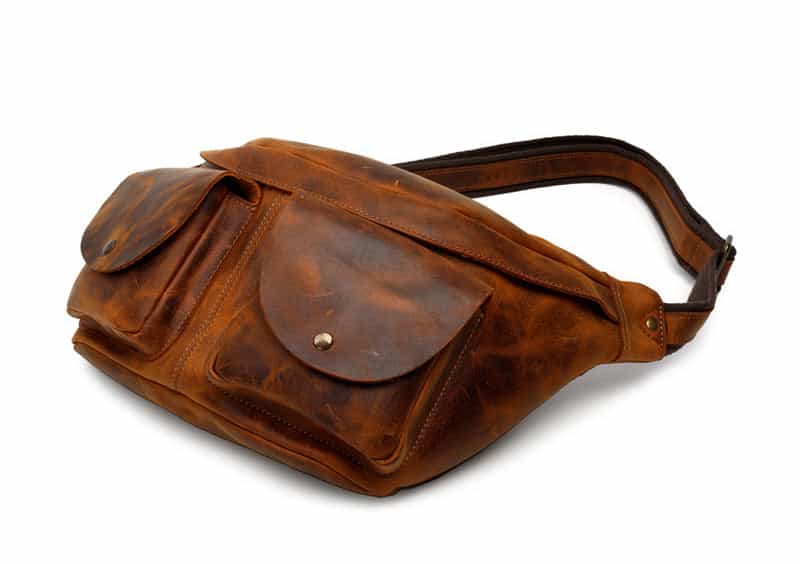
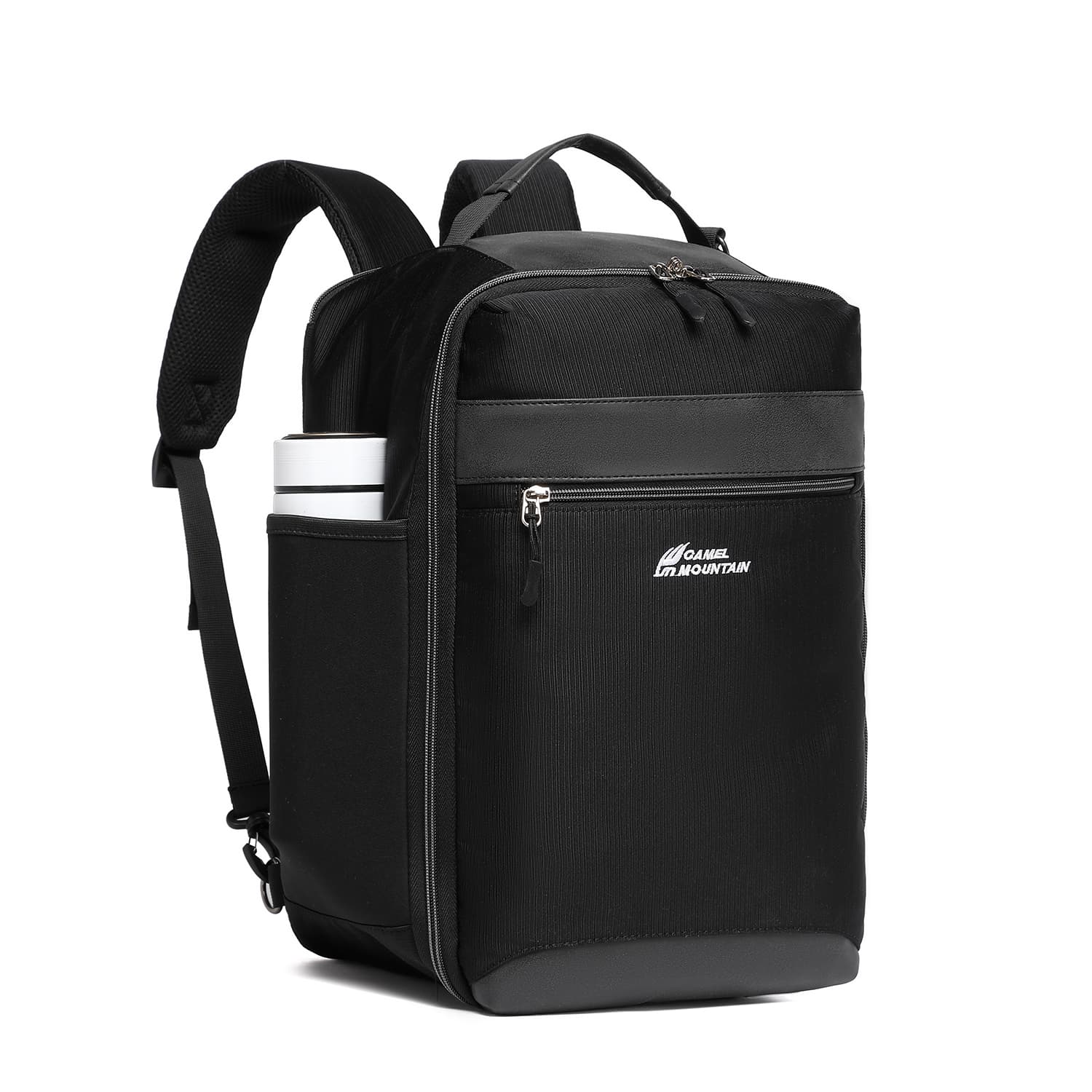
Every item you can't afford to lose (passports, licenses, medical documents, cash, jewelry, laptop, phones, power banks and prescription medication) must go with you into the cabin in a quality backpack or small trolley. In the event of a fire in the hold, a lost suitcase or a delayed delivery, your life will keep running relatively smoothly if all of these are physically above your head or under the seat in front of you.
2. Triple protection for documents
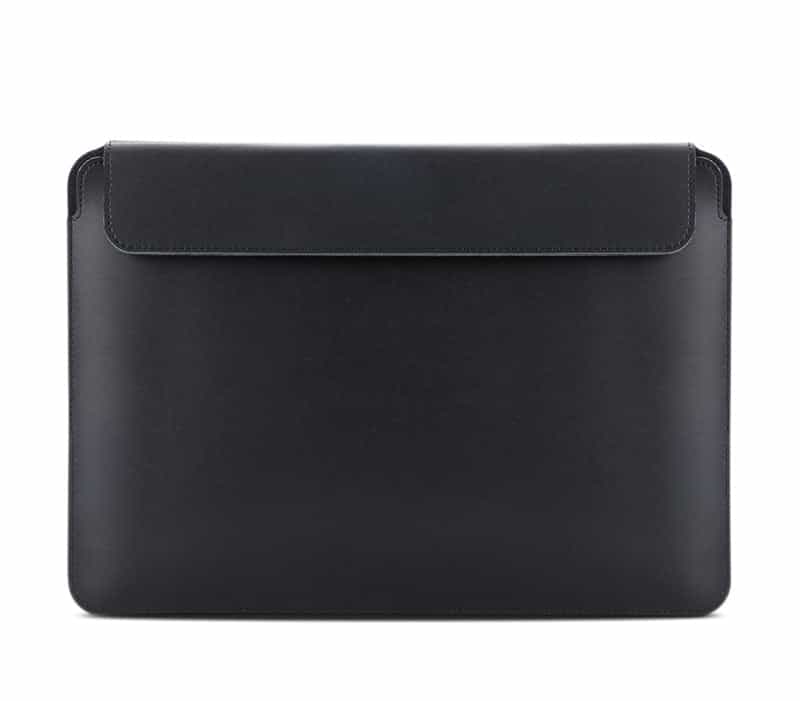
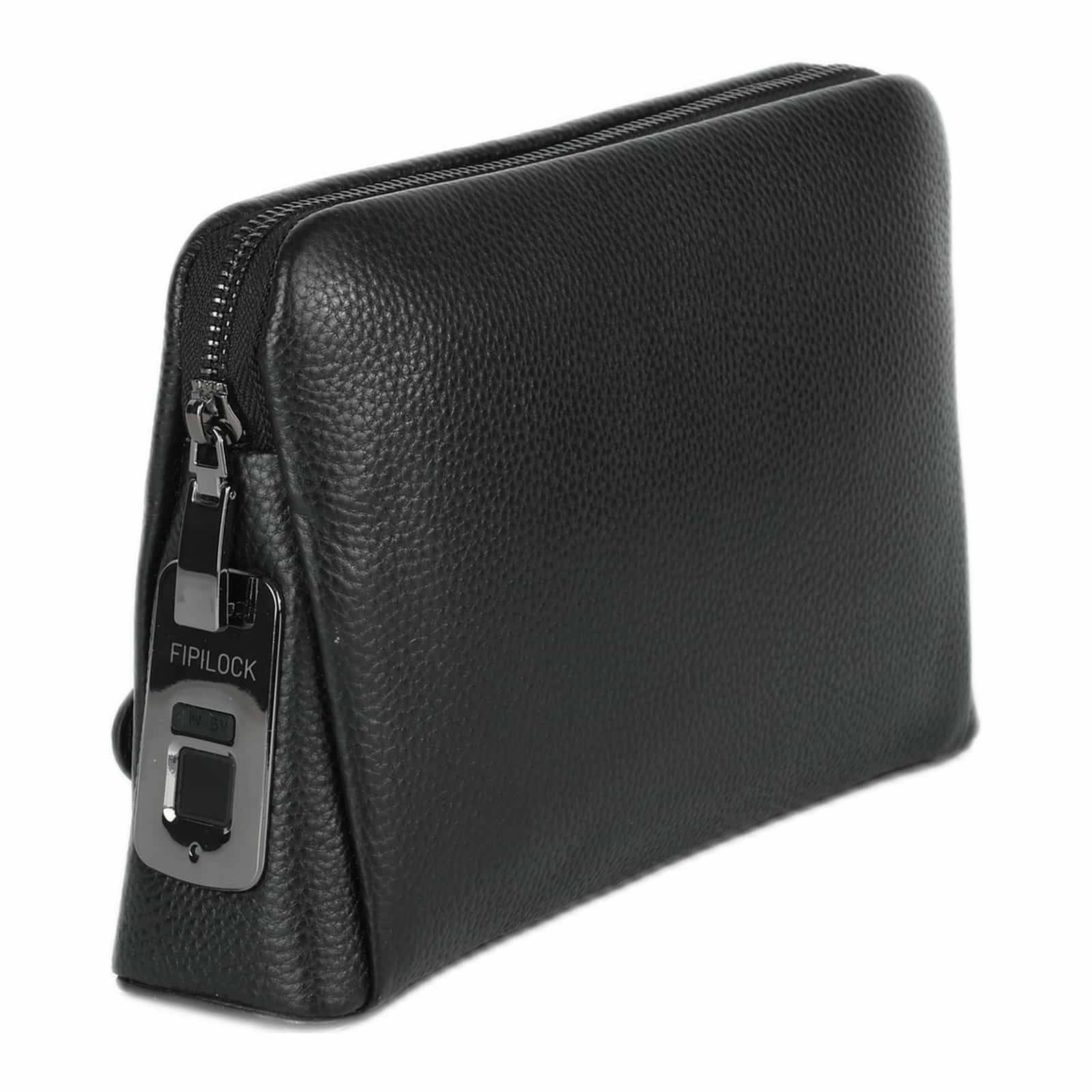
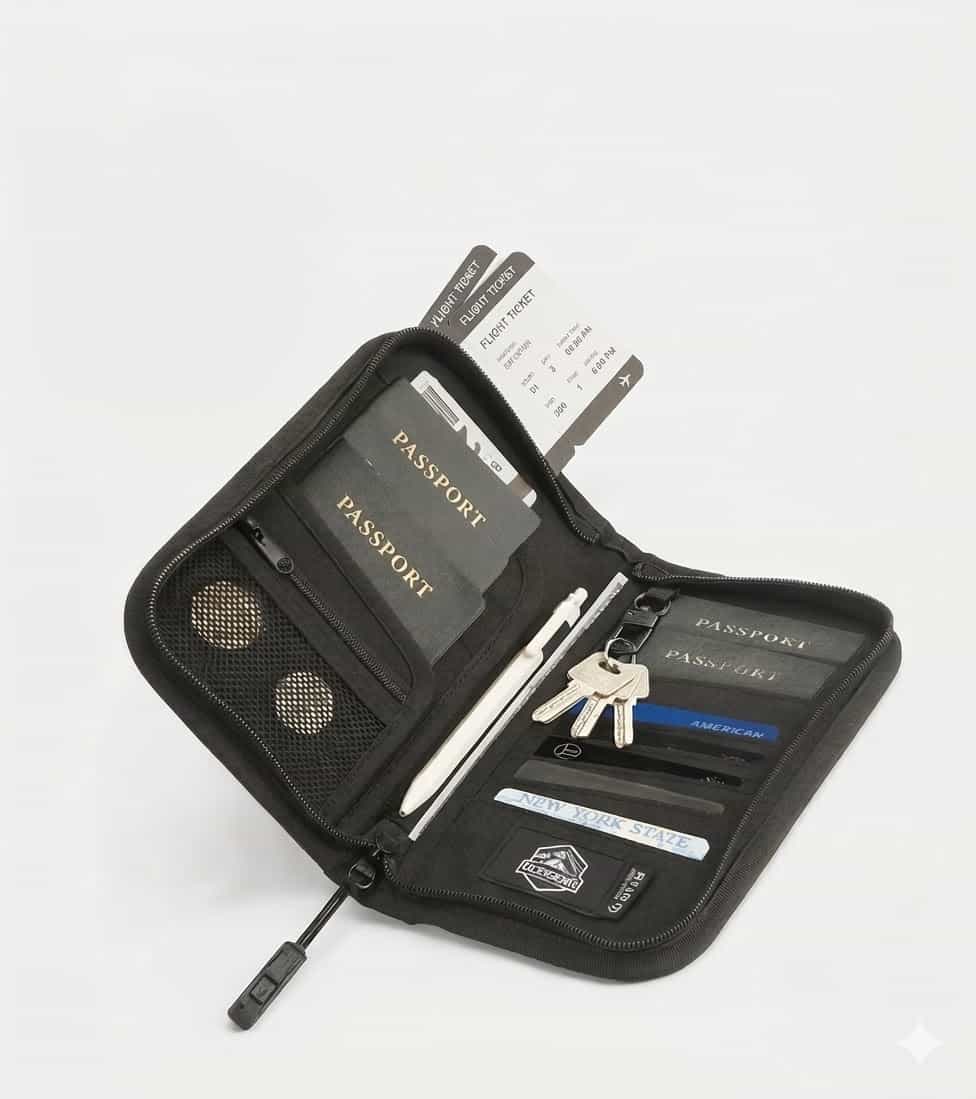
Even inside your carry-on, it's best to pack important documents in dedicated pouches, preferably made of water-repellent materials. A digital backup of all documents in a secure cloud (passport scans, boarding passes, insurance) is an absolute must that will save you in any scenario where the physical paperwork is damaged.
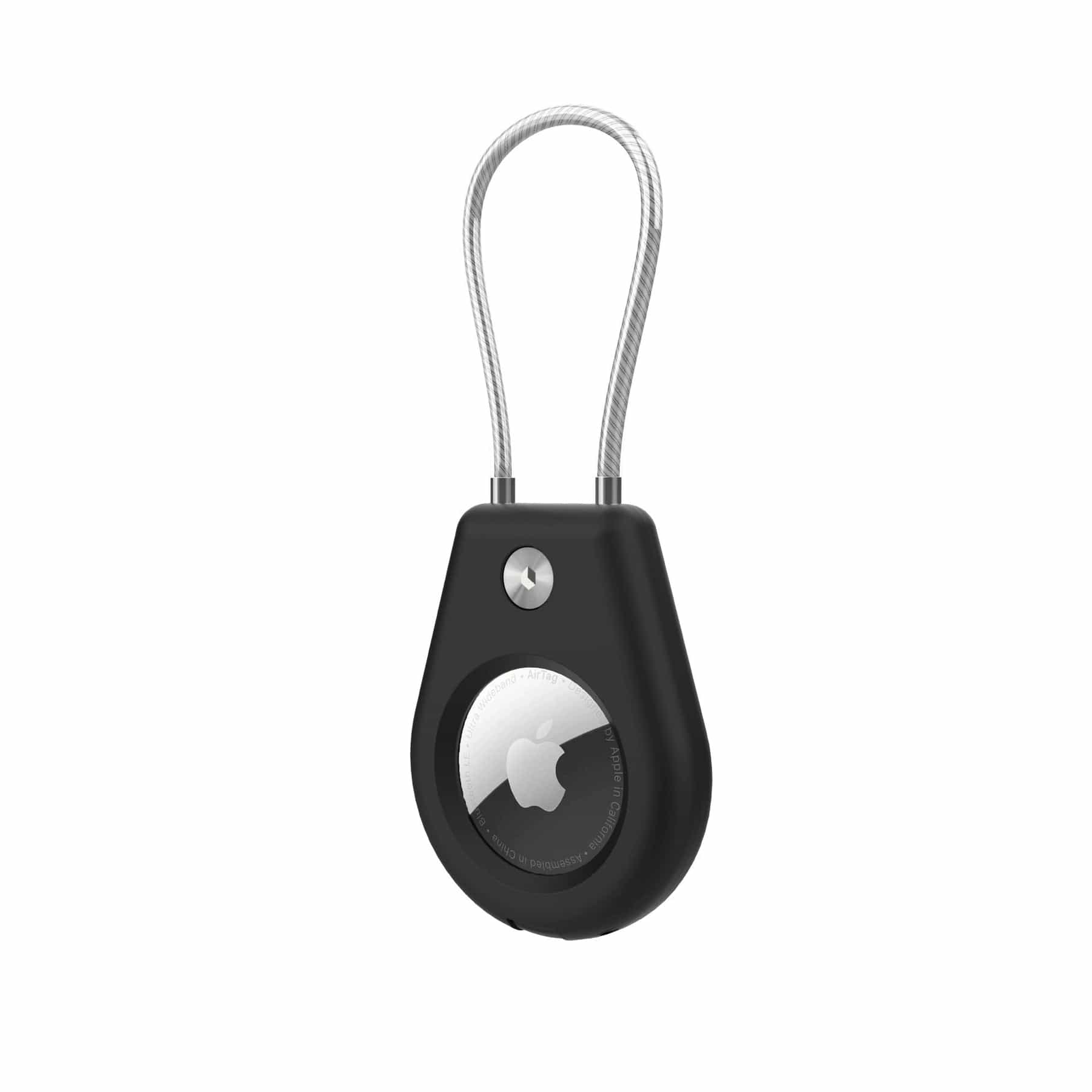
3. Using trackers (AirTags)
Fires are an extreme event, but lost suitcases are an everyday matter. Dropping a small tracker into the large suitcase will let you know exactly where it is: whether it stayed at Ben Gurion Airport, reached Milan, or, heaven forbid, is in an area where gear is moved after an emergency.
The golden list: what never goes in the large suitcase?
- Lithium batteries and power banks: besides being a strict international aviation rule, lithium batteries under pressure or high heat may explode and cause fires (as sometimes happens in the hold). They must be only in your carry-on bag.
- Keys: keys to your home, to the car waiting in the parking lot or to the rental apartment at your destination always stay on you.
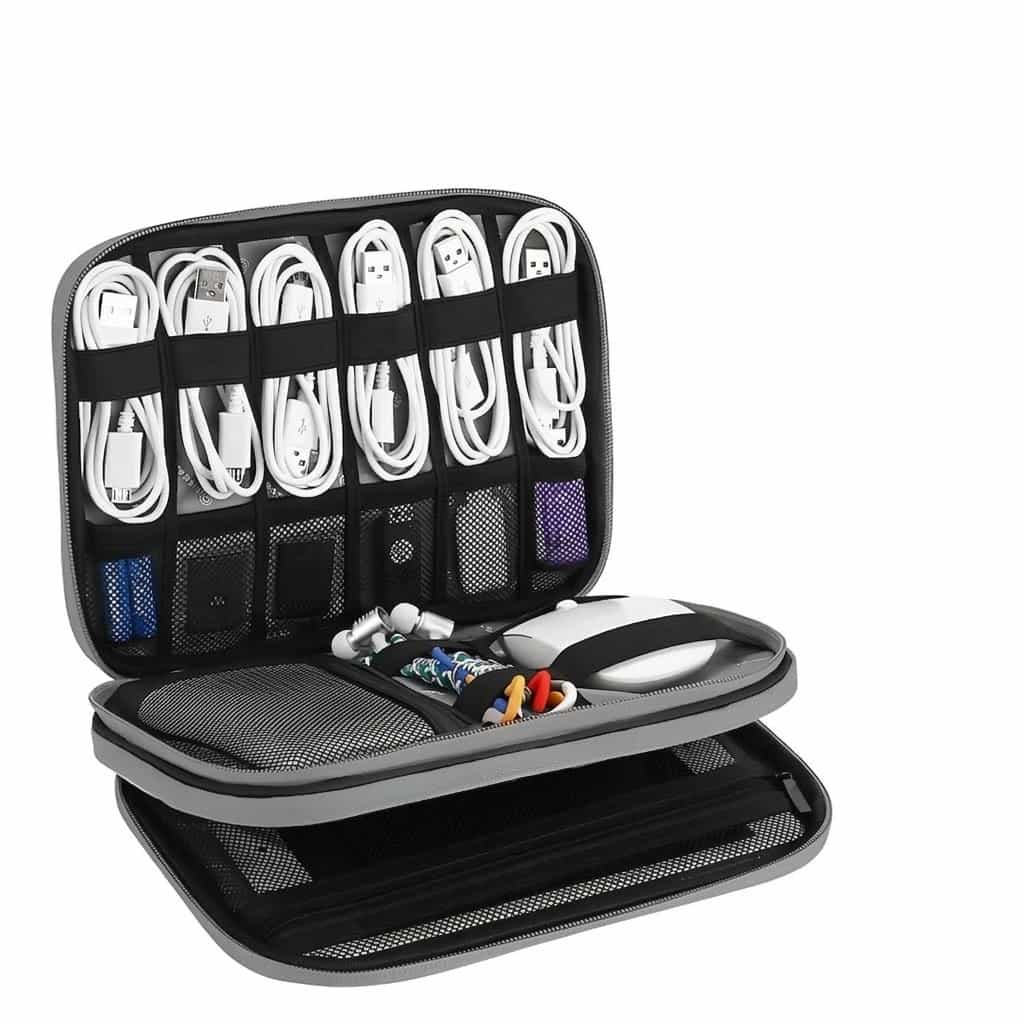
- Essential chargers and cables: so you're not stuck with a dead phone battery the moment you land, even if the large suitcase is delayed.
- One change of clothes: a pro tip: always put a pair of underwear, socks and a light shirt in your backpack. If your suitcase is damaged or gets lost, at least you can freshen up at the hotel without stress.
Summary: travel smart, sleep soundly
The incident in Milan reminds us that travel is an adventure, and like every adventure, it has an element of uncertainty. Investing in quality travel gear, whether a hard, sealed aluminum suitcase that gives your belongings maximum protection in the hold, or an ergonomic, smart carry-on backpack that keeps your most valuable items close, is the best way to ensure peace of mind. Plan well, pack smart, and have a safe and pleasant flight!
Based on a report: Fire on the runway in Milan: a baggage container caught fire just before takeoff | IAS
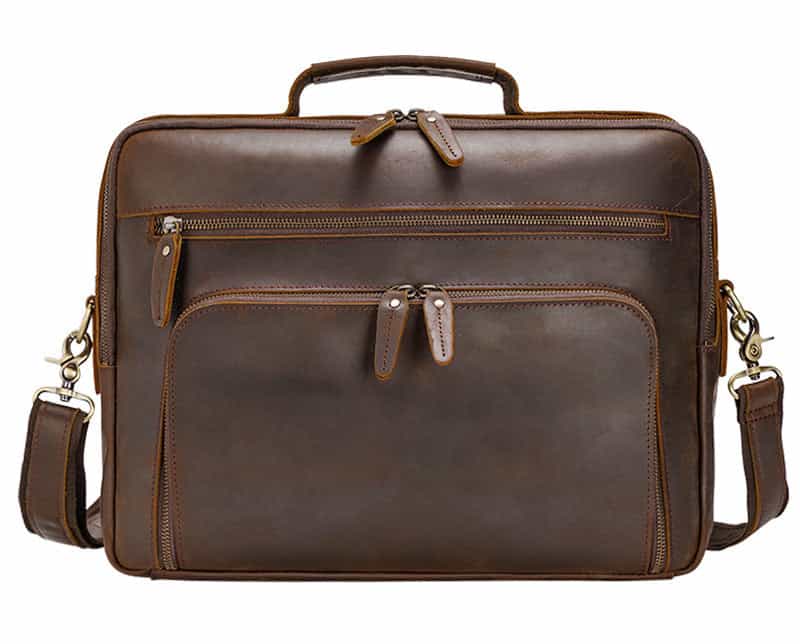
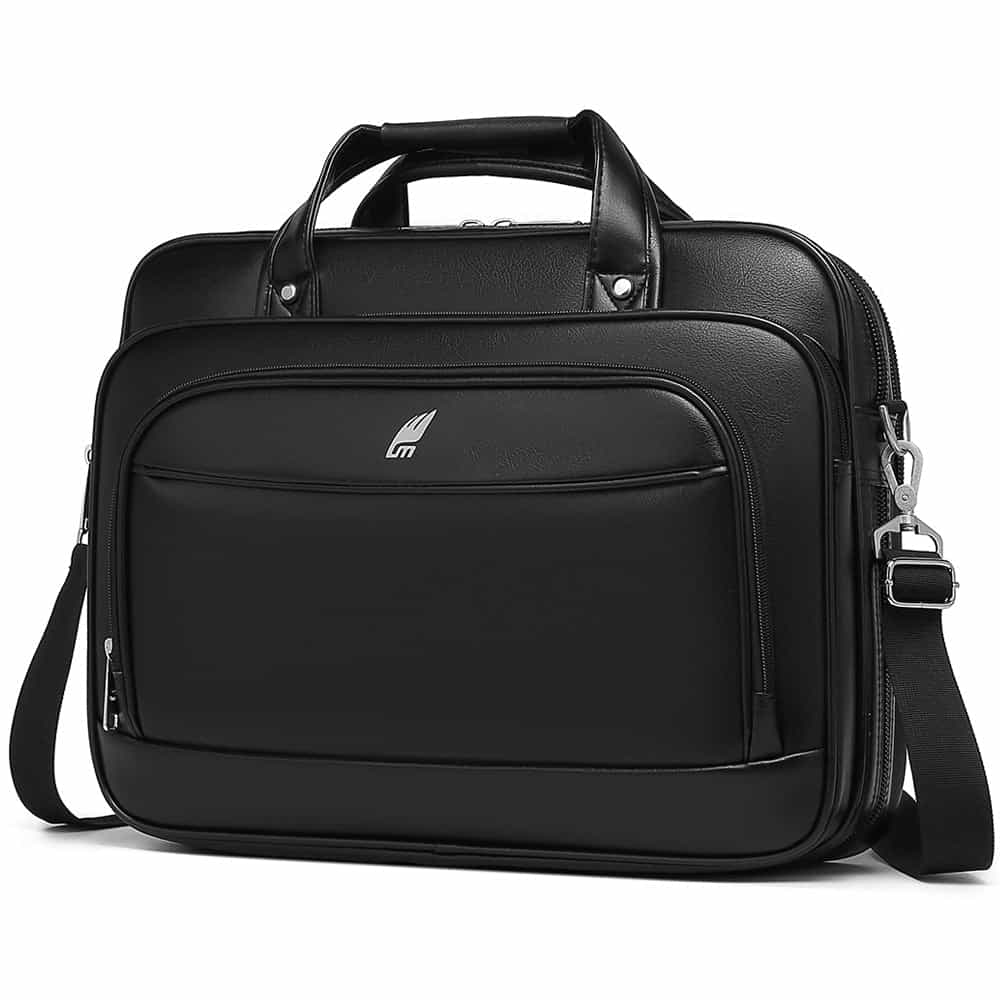
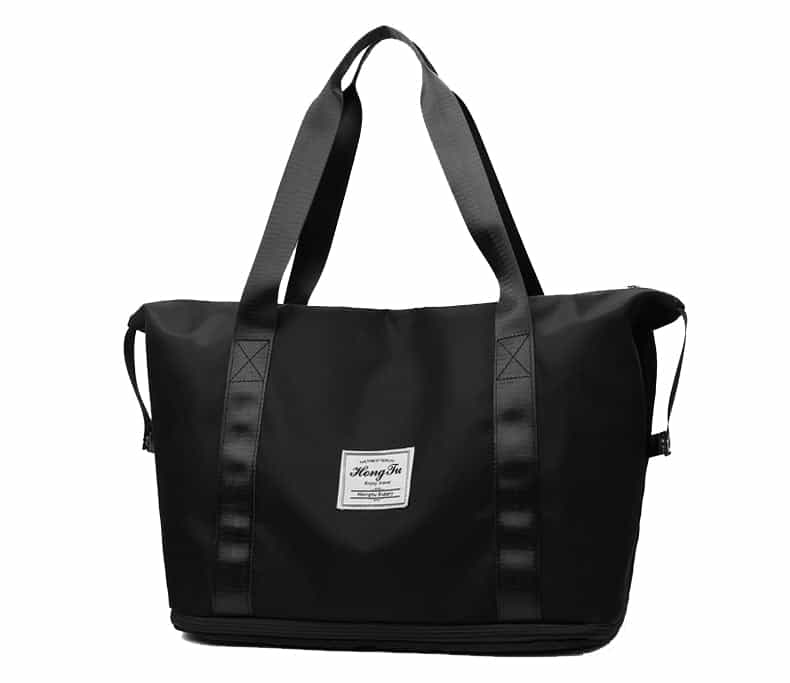
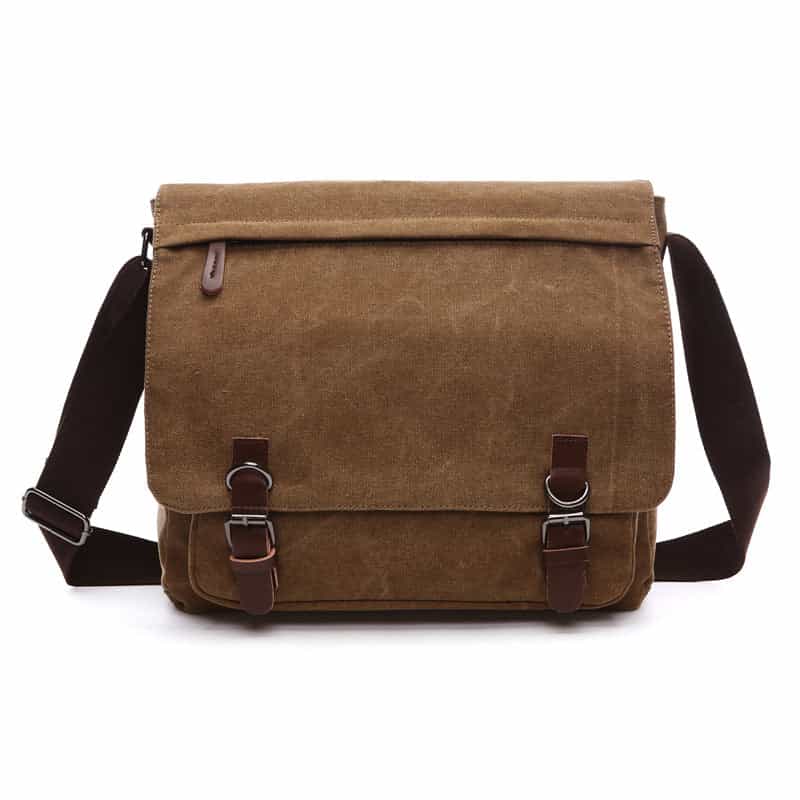
Products to help you on the way


Products in this guide

Frequently asked questions
Can I put power banks in my large suitcase?
Absolutely not. International aviation rules completely prohibit sending lithium-ion batteries in the hold because of the risk of spontaneous ignition. Power banks and devices containing lithium batteries (such as laptops) must be packed only in your carry-on bag.
What are the advantages of an aluminum suitcase in emergencies?
Aluminum suitcases have a particularly high melting point (about 660 degrees Celsius) and don't melt or burn easily like plastic or fabric suitcases. In addition, they close with a sealed frame and clip locks with no zipper, which keeps fire, sparks, smoke and water from reaching the contents.
How should I organize important travel documents?
All travel documents (passports, visas, boarding passes and insurance) should be kept in your personal backpack, not in the large suitcase. It's best to use a dedicated water-repellent pouch, and to make a full digital backup of all the documents in a secure cloud or by email before you leave home.
Do airlines compensate for gear that was burned or destroyed in the hold?
Yes, under the Montreal Convention airlines must compensate passengers for lost or damaged baggage, but the compensation is capped at a fixed limit. So for especially valuable items, it's essential to have comprehensive private travel insurance and to keep receipts for the gear you bought.


