


How to Avoid Baggage Delays at Airports: A Guide to Smart Travel
October 23, 2026

To avoid baggage delays and lost suitcases at airports, the most effective solution is to fly with cabin baggage only (a carry-on or a backpack), which lets you skip the check-in counters and the baggage belts. In addition, smart tracking tags (such as an AirTag) let you follow the location of your gear in real time, on your own, straight from your phone.
The story behind the delays: when ground crews leave the suitcases behind
We recently came across worrying footage on social media (originally posted on vasermilya's Threads page) showing a flight carrying an Israeli sports club held for a long time on the runway. The reason for the frustrating delay was not a technical fault or stormy weather, but simply a severe shortage of ground workers whose job is to load the suitcases into the hold. The plane was ready to taxi, the passengers were buckled into their seats, but their personal gear was still sitting on the baggage carts on the tarmac.
This case is just a symptom of a much wider global problem. Since aviation came back to full operation, many airports around the globe have suffered from chronic staff shortages, sudden strikes and logistical difficulties in moving baggage. The result for the average traveler is constant anxiety: will my suitcase land with me at the same destination? Will my vacation start with a frustrating search for a change of clothes?
The winning solution: switch to flying with cabin baggage only
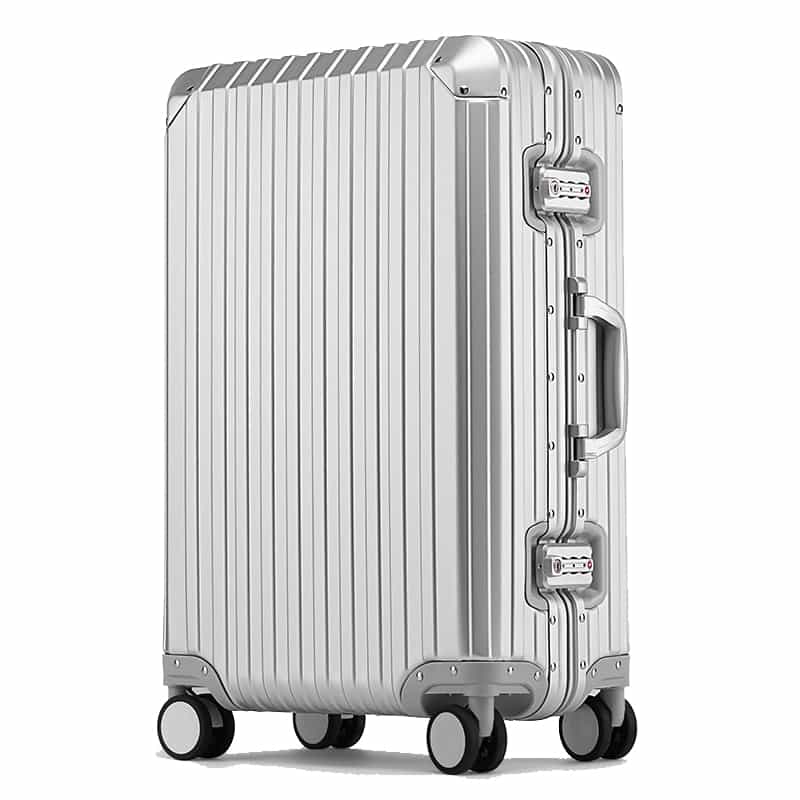
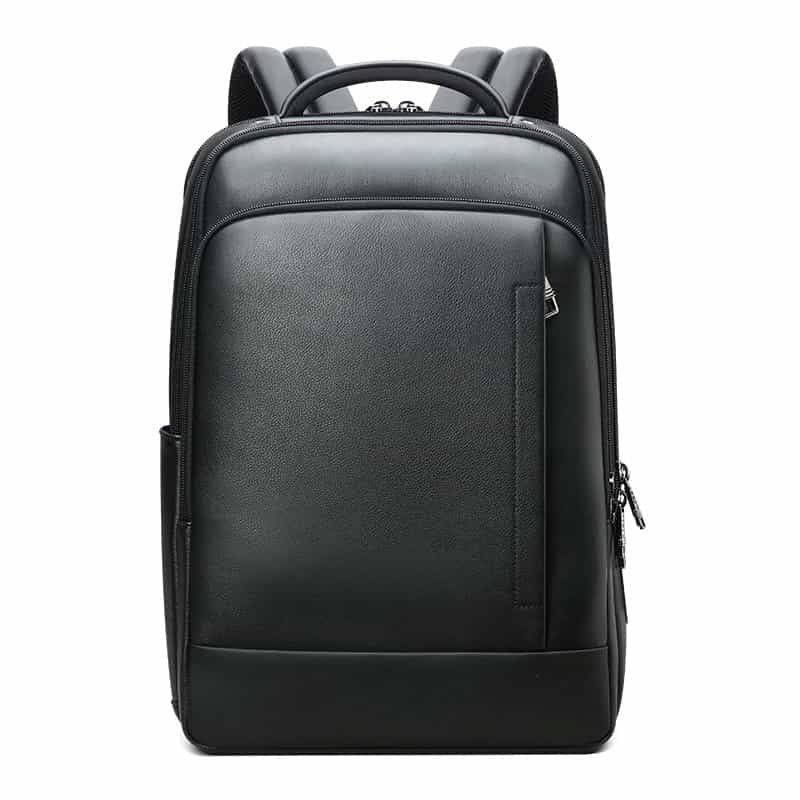
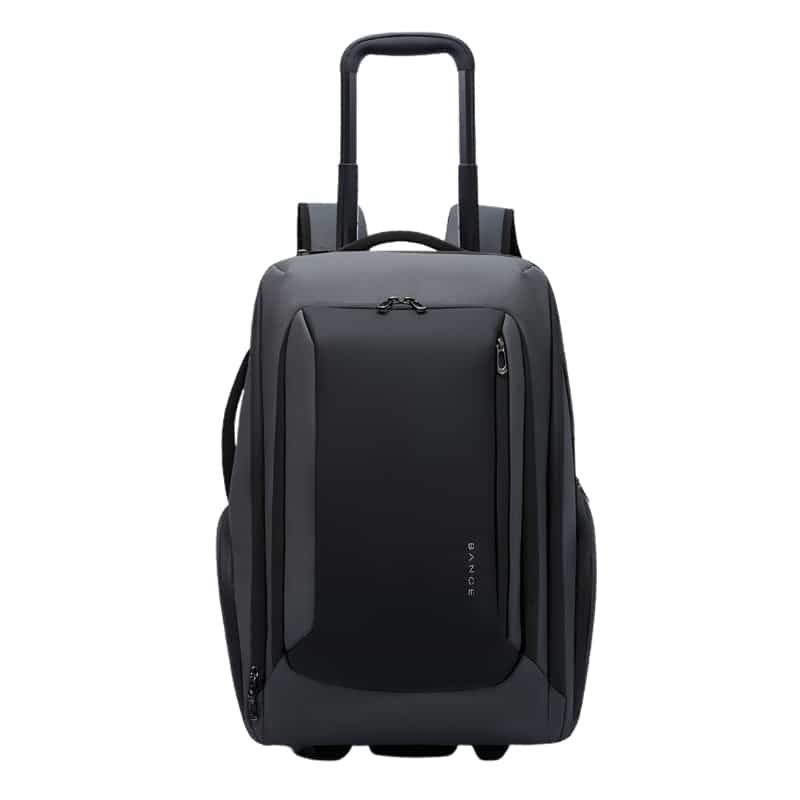
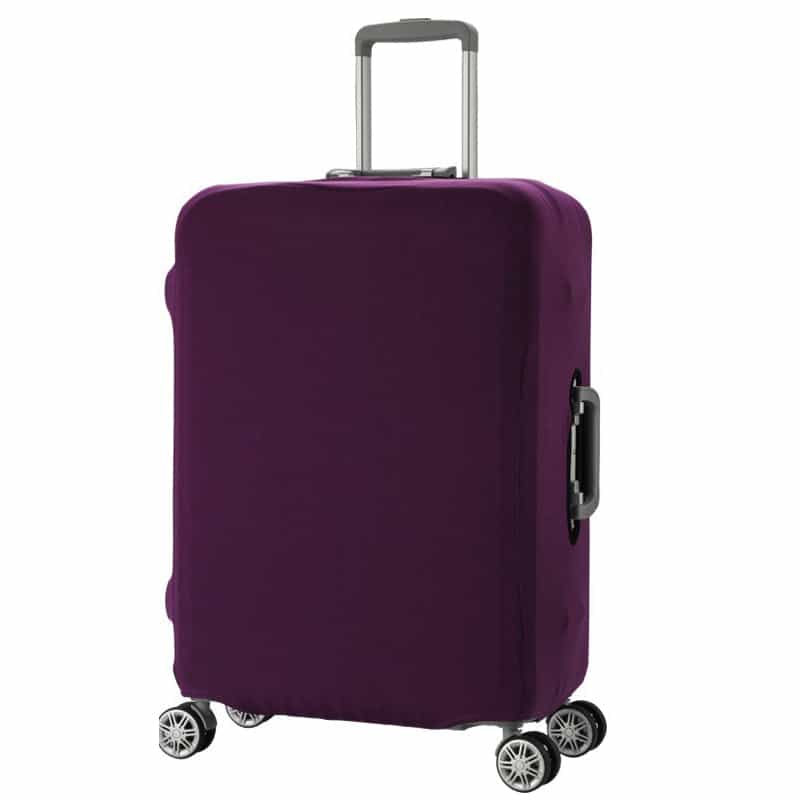
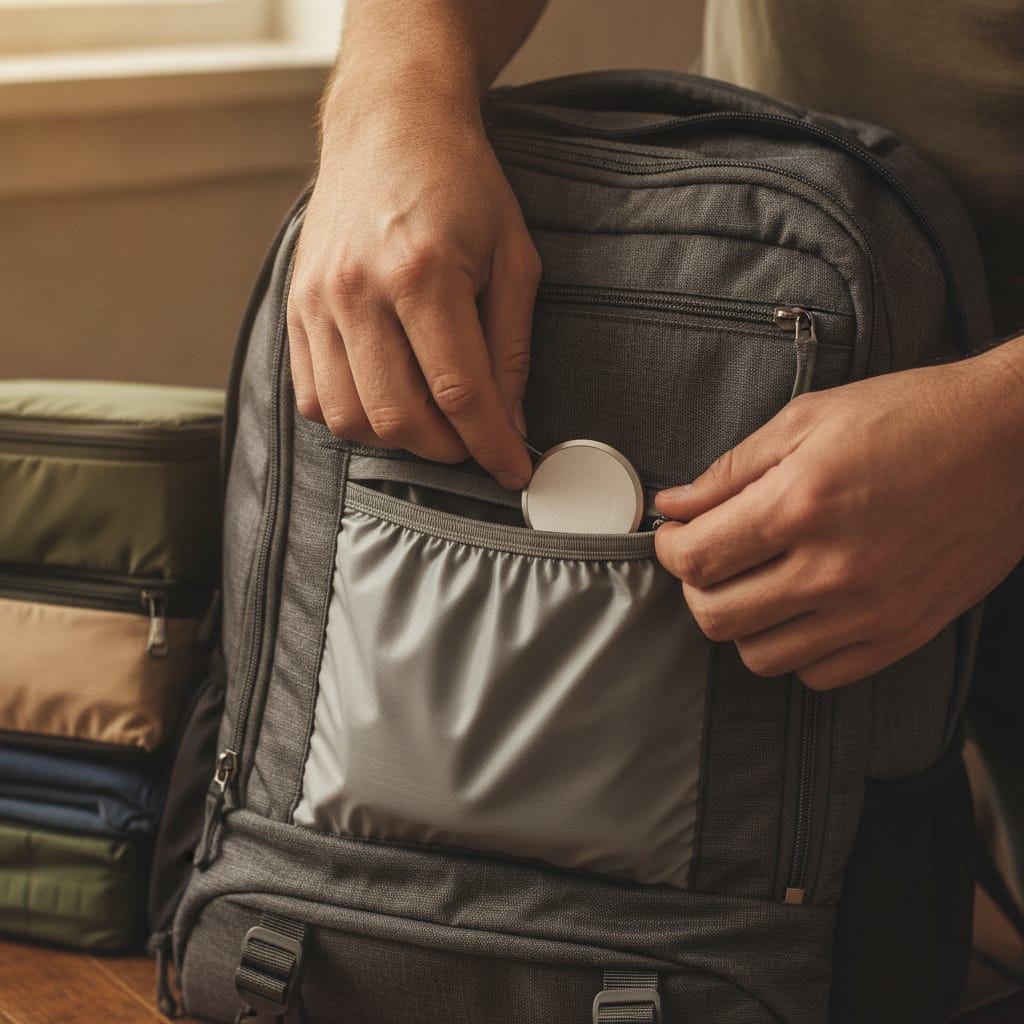
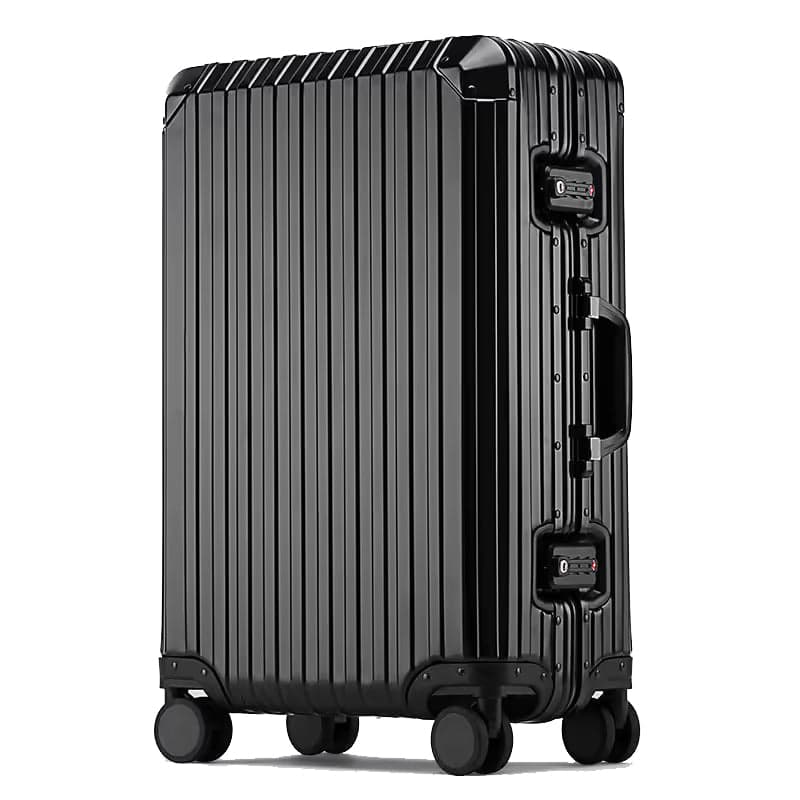
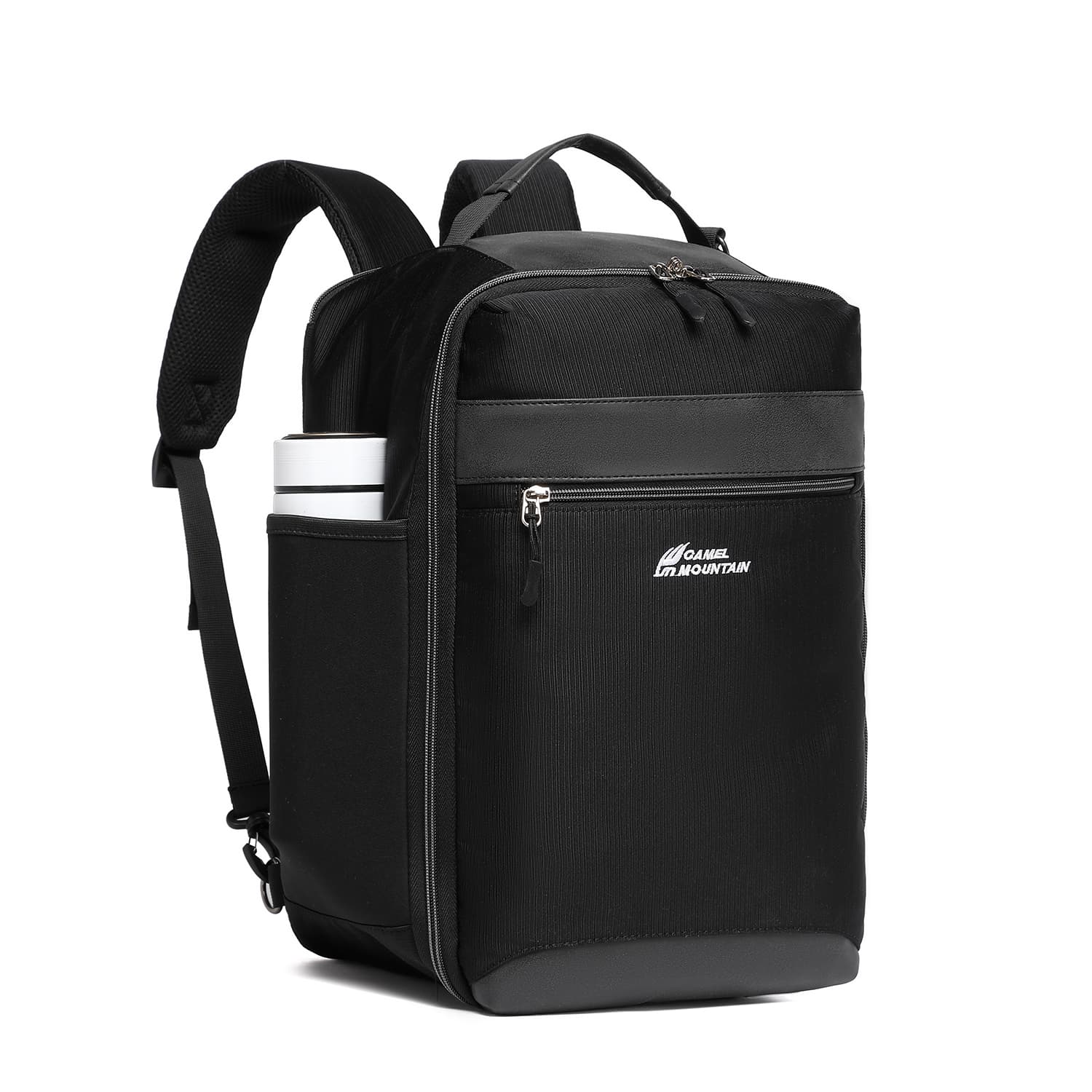
If in the past a trip abroad automatically meant huge 23 kg suitcases, today the trend has changed completely. Experienced travelers understand that the safest way to make sure your gear reaches the destination is simply never to be separated from it. Flying with a standard 20 inch carry-on or a dedicated travel backpack gives you complete independence.
Besides saving precious time at the airport (skipping the check-in lines entirely and the nerve-racking wait at the baggage belt on landing), traveling with cabin baggage only saves you a lot of money, especially on low-cost airlines that charge tens or even hundreds of dollars for a checked suitcase. When you keep the bag with you in the cabin, there is no chance that a tired ground crew or a staff shortage will leave your belongings behind.
| Feature | Cabin baggage only (carry-on or backpack) | Checked suitcase |
|---|---|---|
| Waiting time at the airport | No waiting at the belts, and you skip the check-in lines. | A long wait before and after the flight (up to hours in exceptional cases). |
| Risk of loss or delay | No risk. The gear is always with you in the cabin. | Medium to high, especially on connecting flights or with ground staff shortages. |
| Average packing volume | 35 to 45 liters (suits trips of 3 to 7 days). | 60 to 100 liters (suits long or family trips). |
| Extra costs | Usually free or very low cost (depends on the airline). | A significant extra charge on most low-cost airlines. |
How to pack properly for a carry-on flight
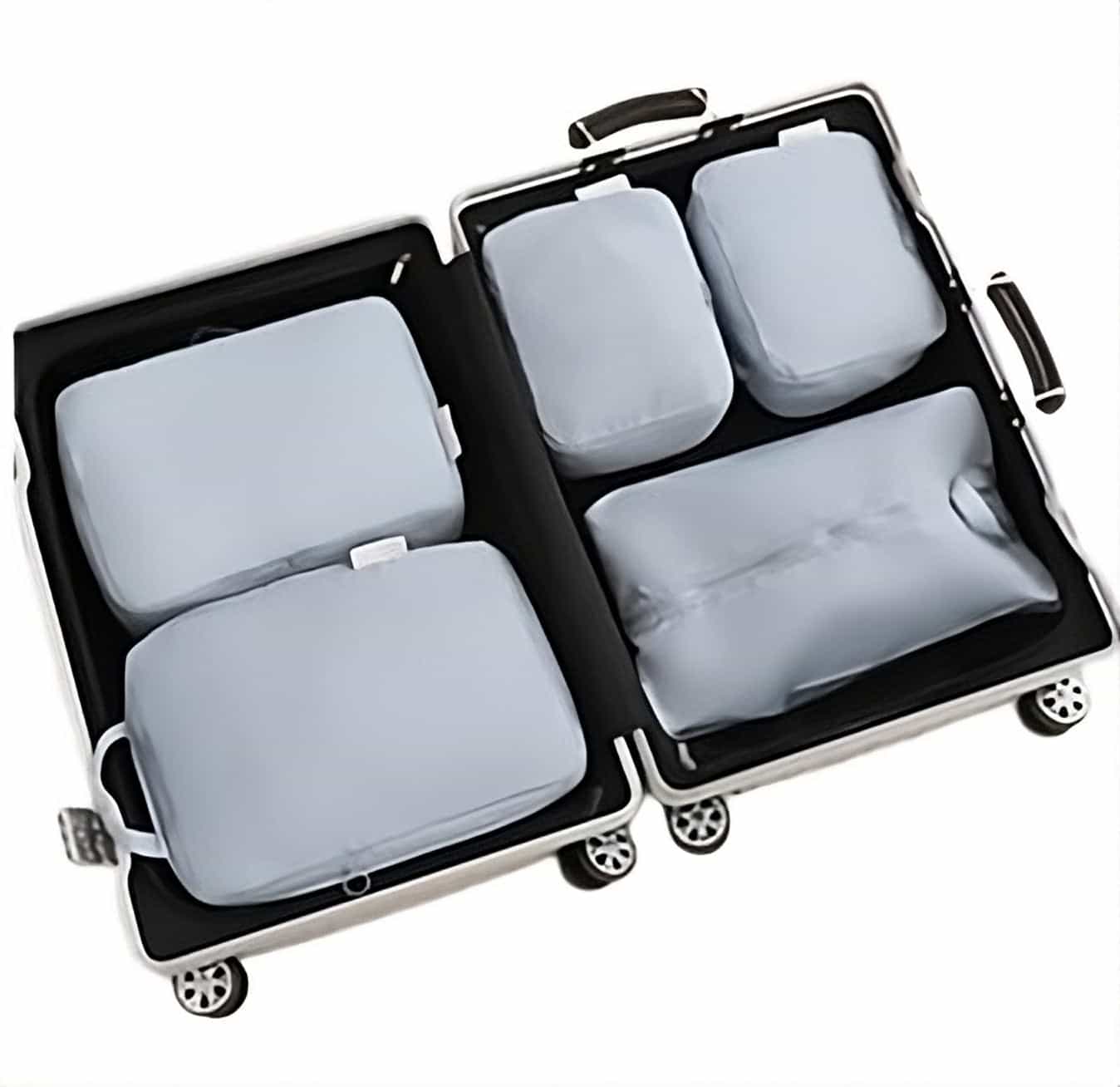
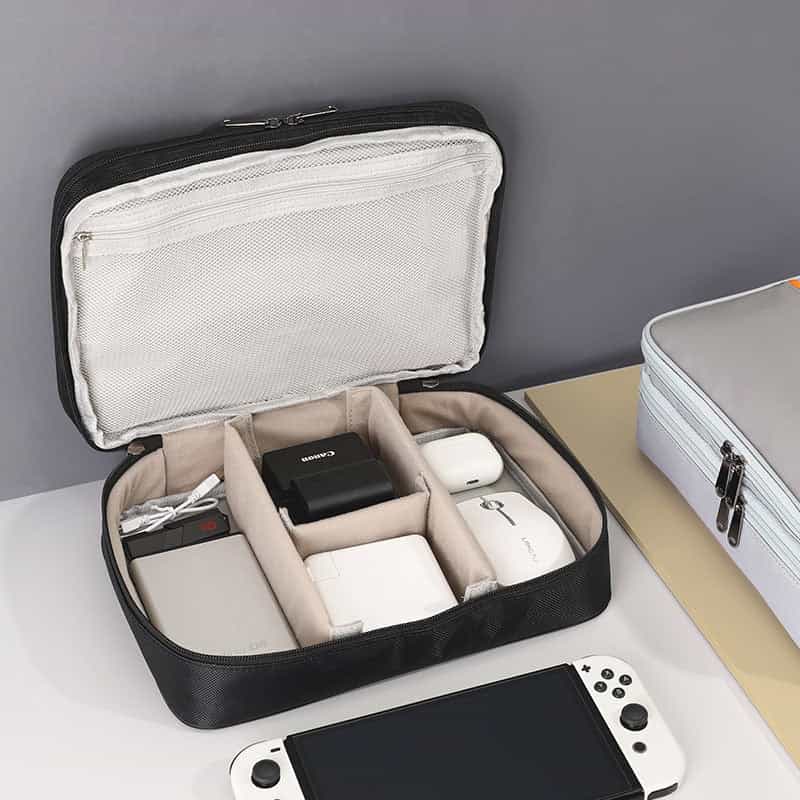
People's main worry about switching to a carry-on is "how will everything fit?". The answer lies in smart packing methods and choosing the right gear. First, use the rolling method instead of folding clothes flat: it not only prevents wrinkles but also makes the most of the air pockets in the suitcase. Second, packing cubes let you divide the suitcase into zones and compress clothes efficiently.
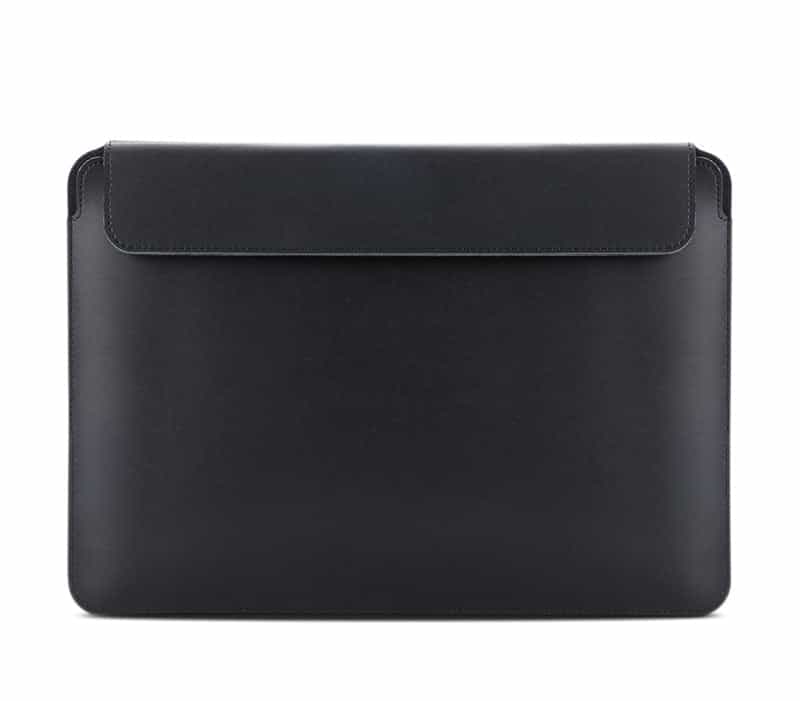
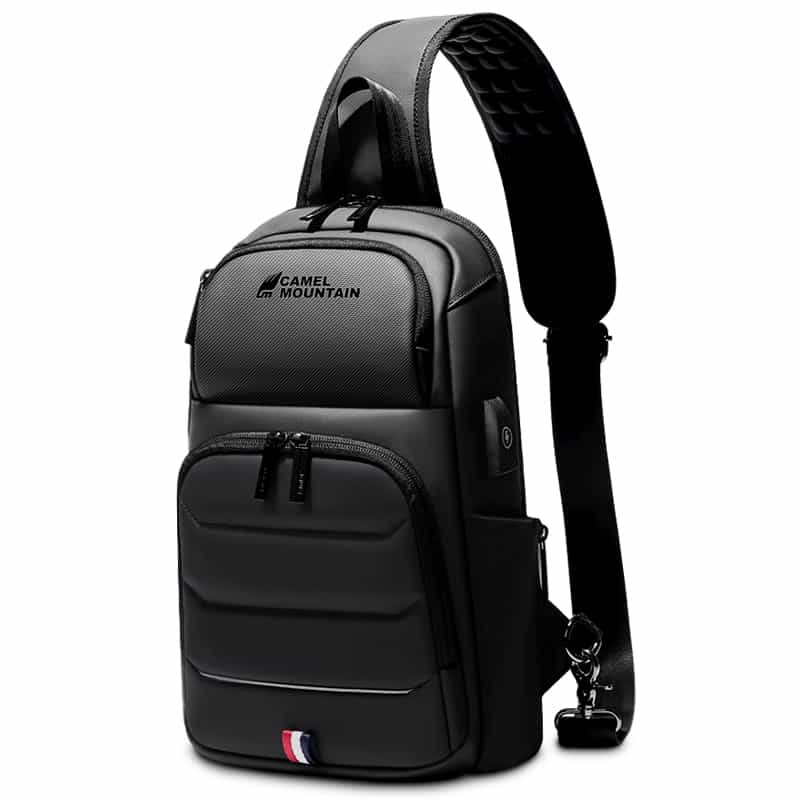
Another pro tip is to wear the heaviest and bulkiest items during the flight: a thick coat, jeans and heavy walking shoes should be on you, not in the suitcase. Valuables, your laptop and medication should always go in a small backpack (a personal item) that fits under the seat in front of you, so that even if the carry-on is sent to the hold at the last minute because the overhead bins are full, the really important things stay with you.
Lifesaving technology: smart tracking tags (AirTag)
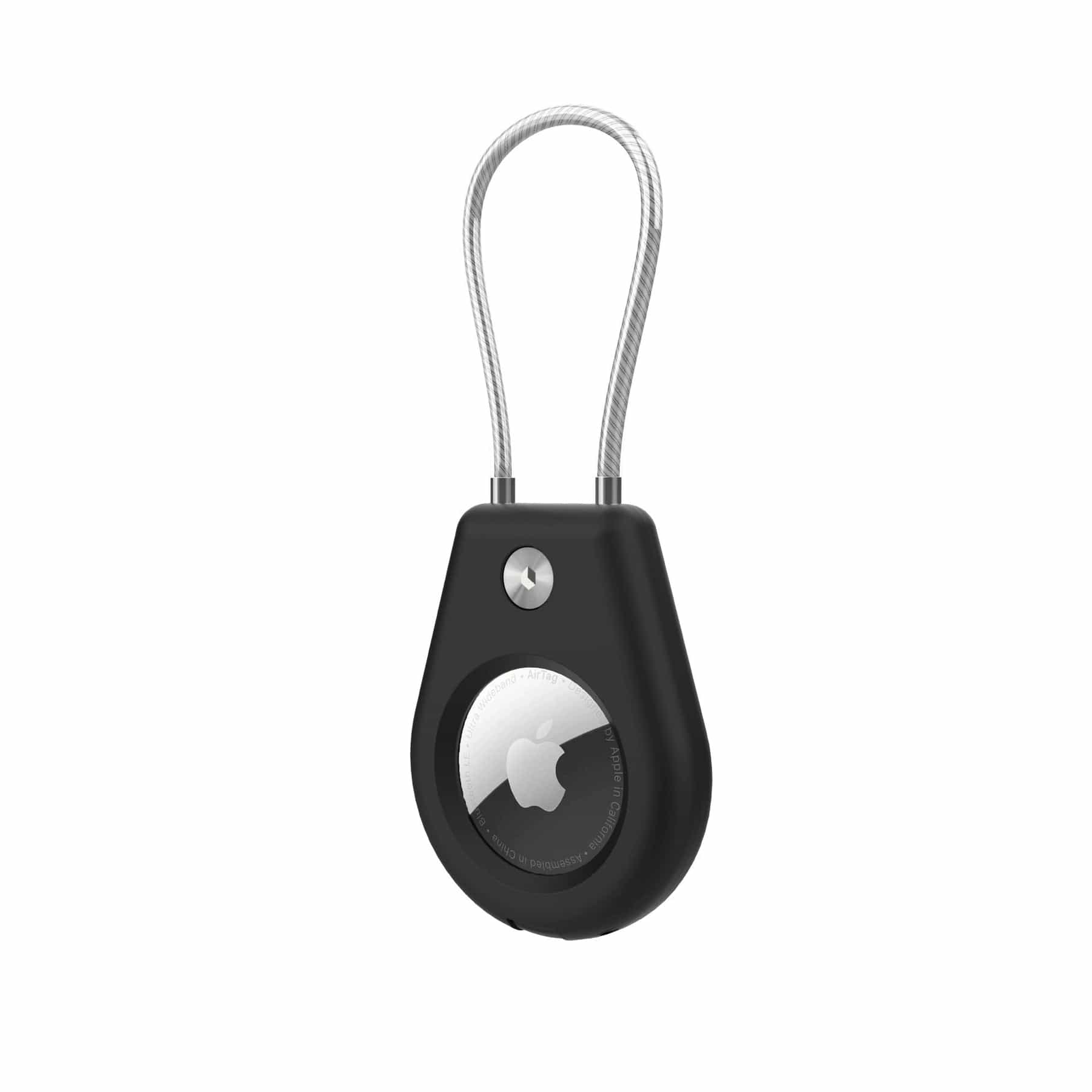
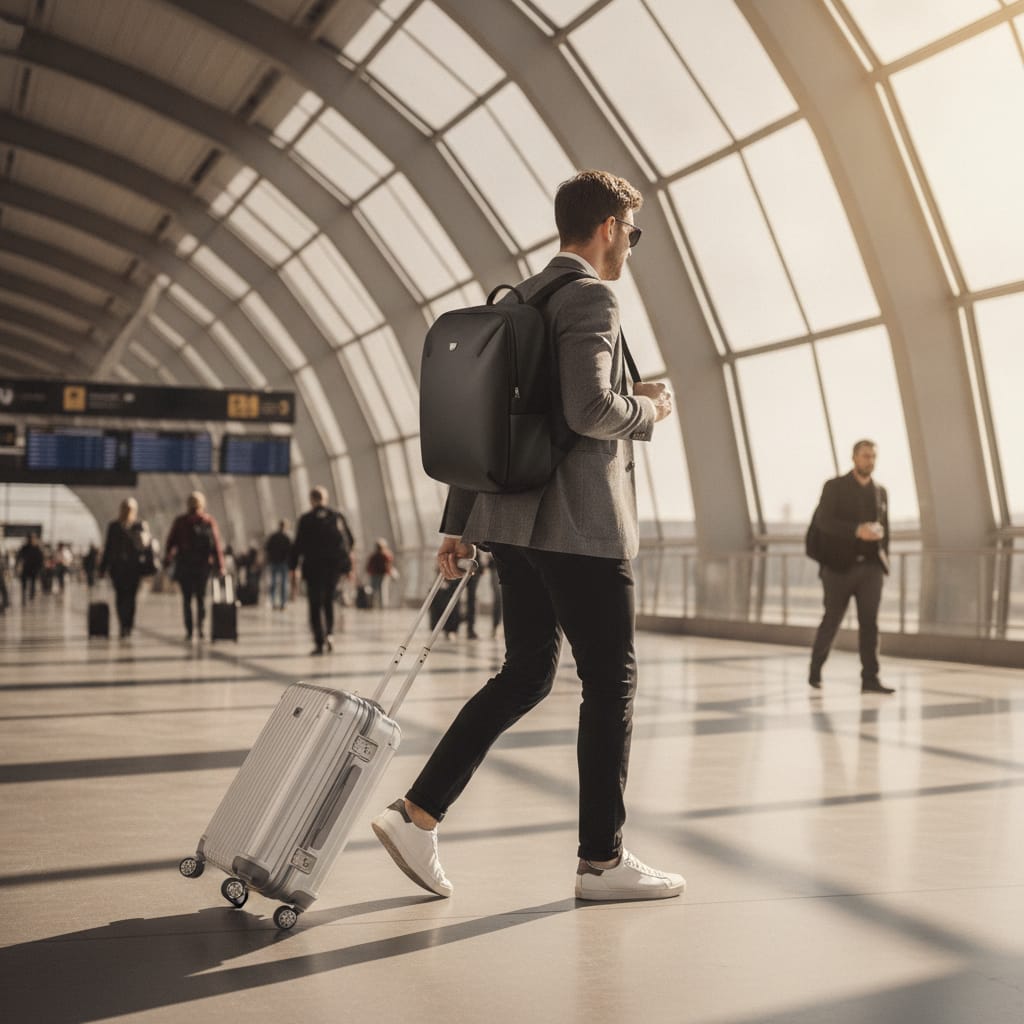
If you decide you have no choice but to check a large suitcase, modern technology offers a simple and brilliant safety net: smart tracking tags. Products like the Apple AirTag or equivalent Android-based tags have become a must in every checked suitcase.
The small tag sends an encrypted Bluetooth signal to the network of devices around it, and lets you see in an app on your phone exactly where the suitcase is at any moment. If your plane landed in London but the suitcase stayed at Ben Gurion Airport because of a handling delay, you will know it as soon as you land. This information is crucial not only for your peace of mind, but also as a tool when dealing with the airlines' customer service desks: instead of waiting days for an answer, you can show them exactly which terminal and which spot at the airport your gear is in.
In short, modern travel requires us to be more flexible and smarter. By switching to minimalist packing in a quality carry-on and using smart tracking tags, you can make sure your next vacation gets off on the right foot, without depending on ground crew delays and without unpleasant surprises at the baggage belt.
Based on a report: The club's flight was delayed by a shortage of baggage loading staff: the plane is already on the runway and the team will take off ...
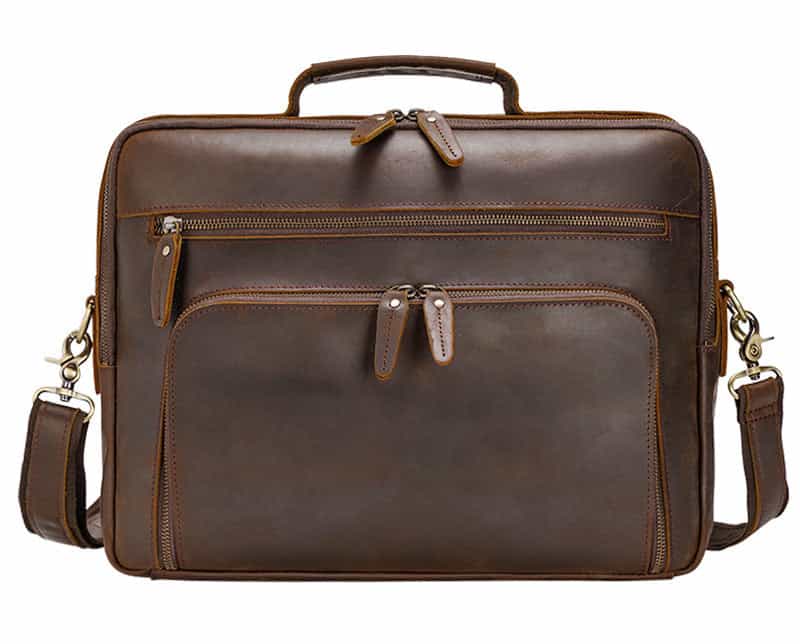
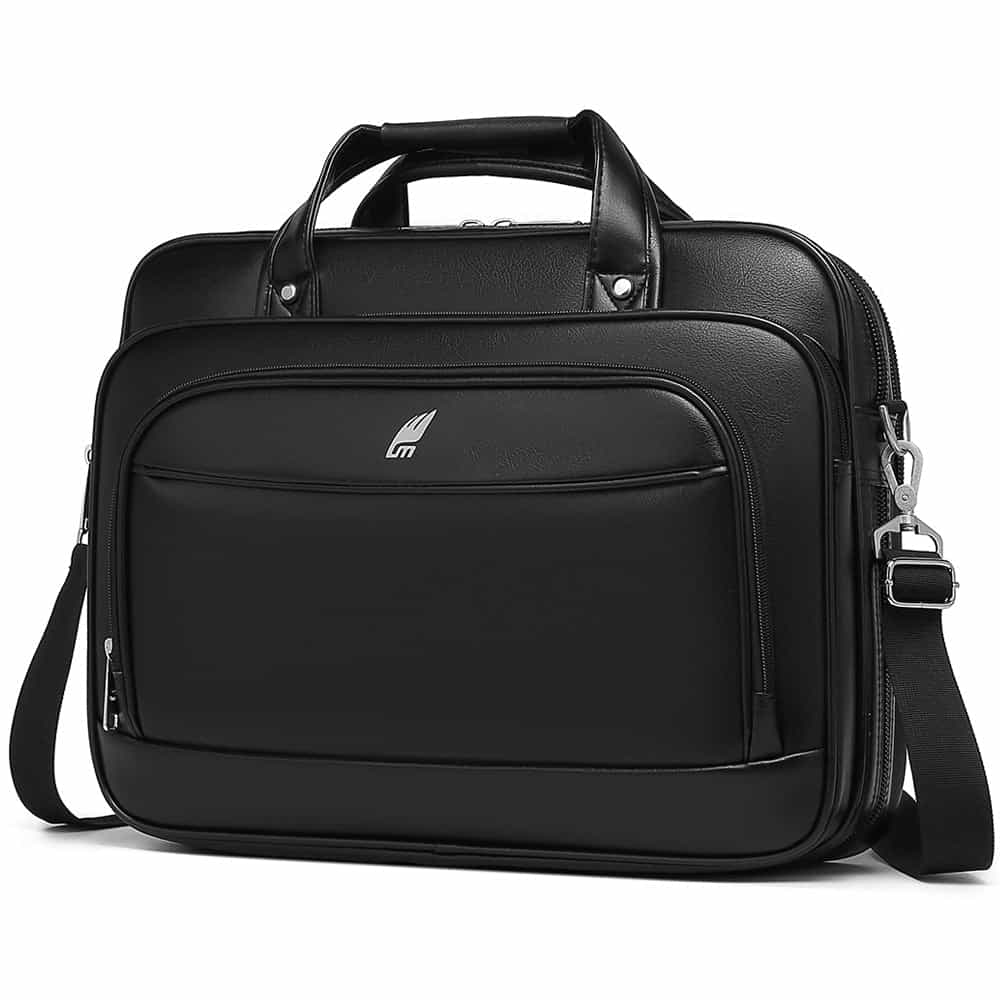
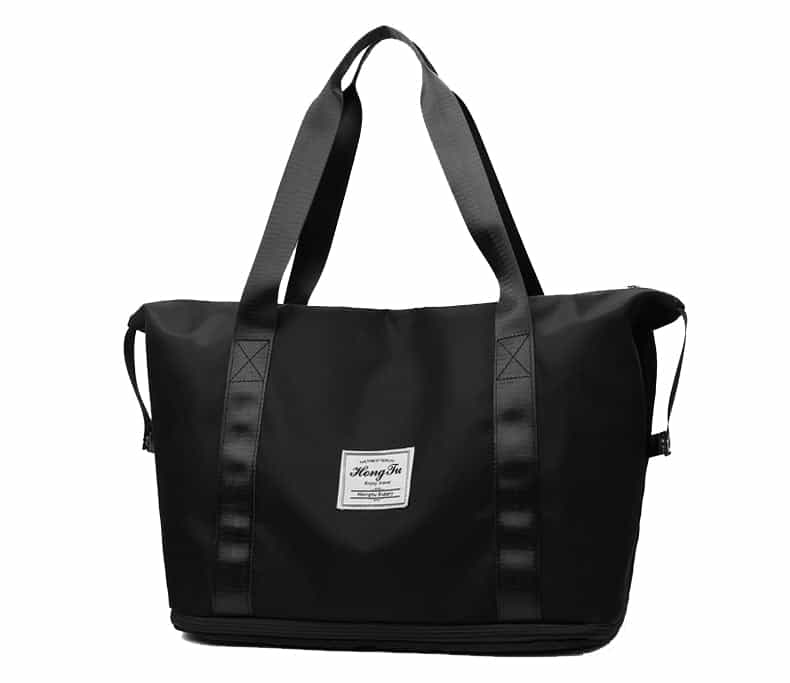
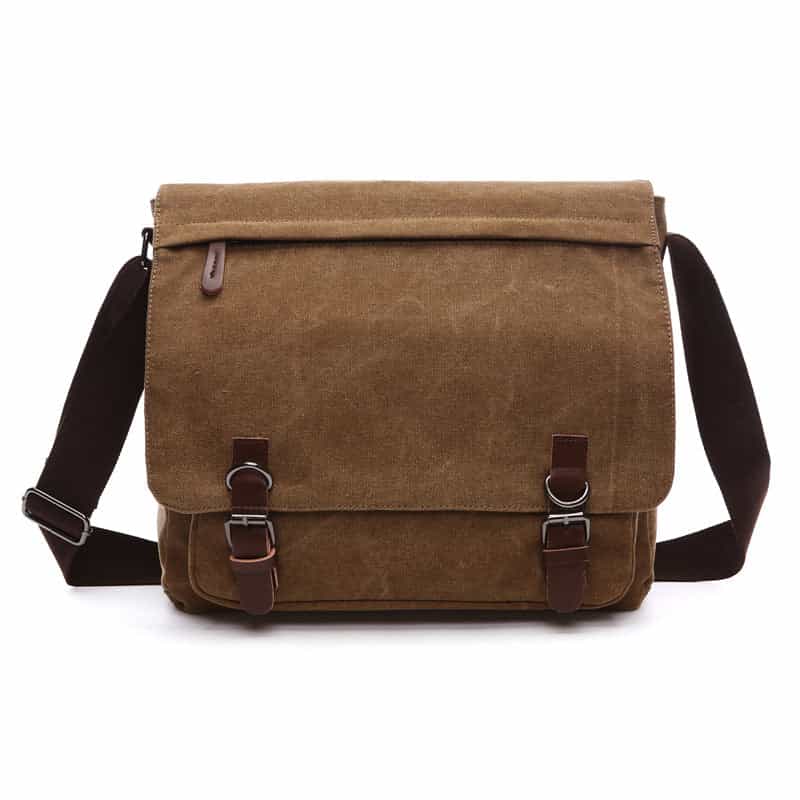
Products to help you on the way



Products in this guide

Frequently asked questions
Do airlines allow tracking tags like AirTag on flights?
Yes, absolutely. Bluetooth-based smart tracking tags are approved for flights by all the major aviation authorities in the world, including the US FAA and the European EASA, and they are not considered a hazard in the hold.
What do I do if the airline makes me check my carry-on at the gate?
On especially full flights, the crew may ask you to send your carry-on to the hold because there is no room in the overhead bins. So it is always a good idea to put the tracking tag inside the carry-on in advance, and keep a small backpack with valuables and medication that boards with you in any case.
How does a smart tracking tag help if my suitcase gets lost anyway?
The tag lets you see the exact location of the suitcase in the app. If you reach your destination and the suitcase did not, you can show the airport's lost baggage staff exactly where it is, which significantly shortens the time it takes to find it and return it to you.
Does rolling clothes really save space in a carry-on?
Yes, rolling clothes prevents wrinkles and makes better use of the small air pockets in the suitcase than flat folding. Combining rolled clothes with packing cubes keeps everything perfectly organized and maximizes your packing volume.


