





How Not to Lose Your Head (or Your Suitcase) on Complicated Connecting Flights
October 23, 2026
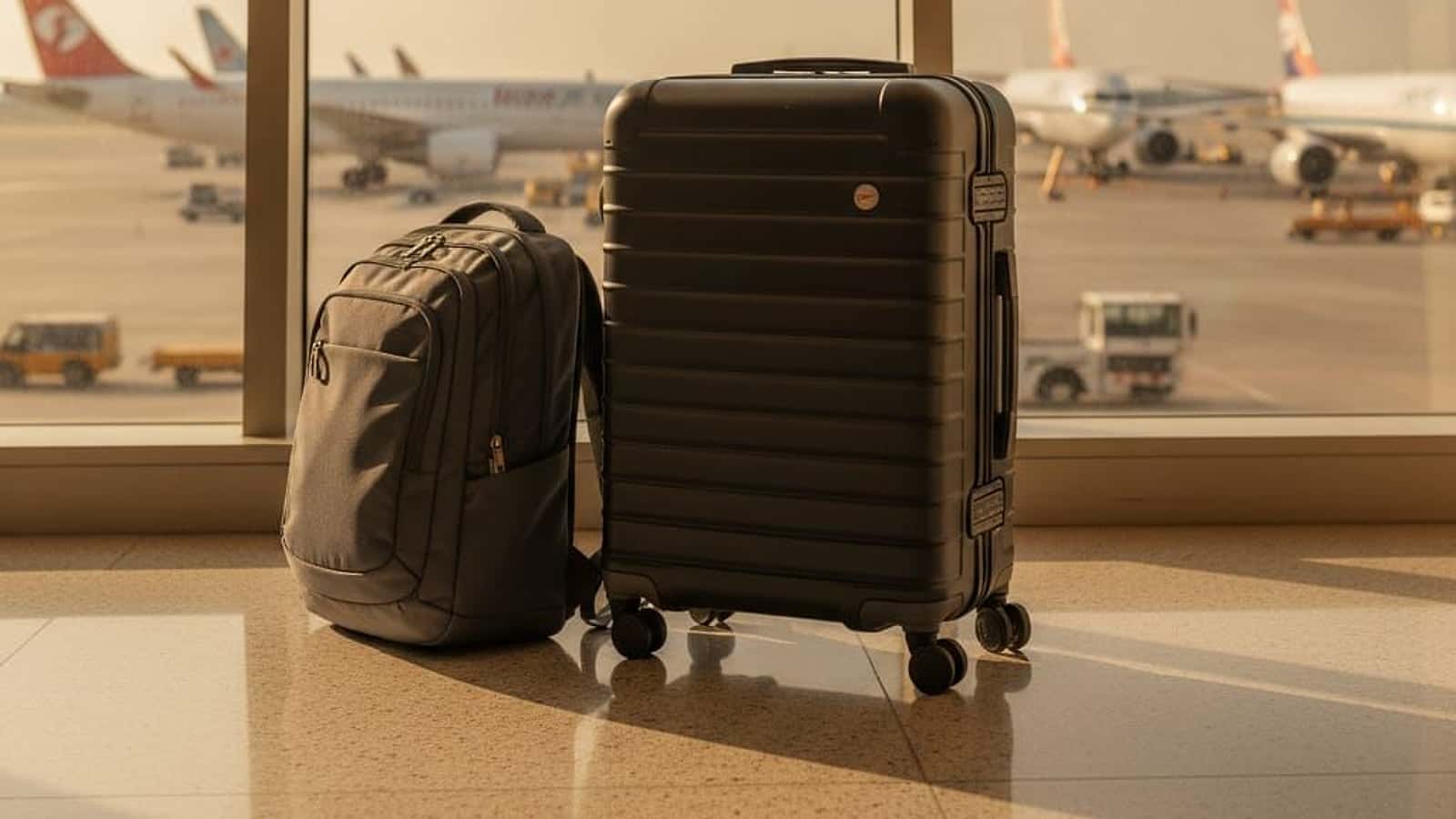
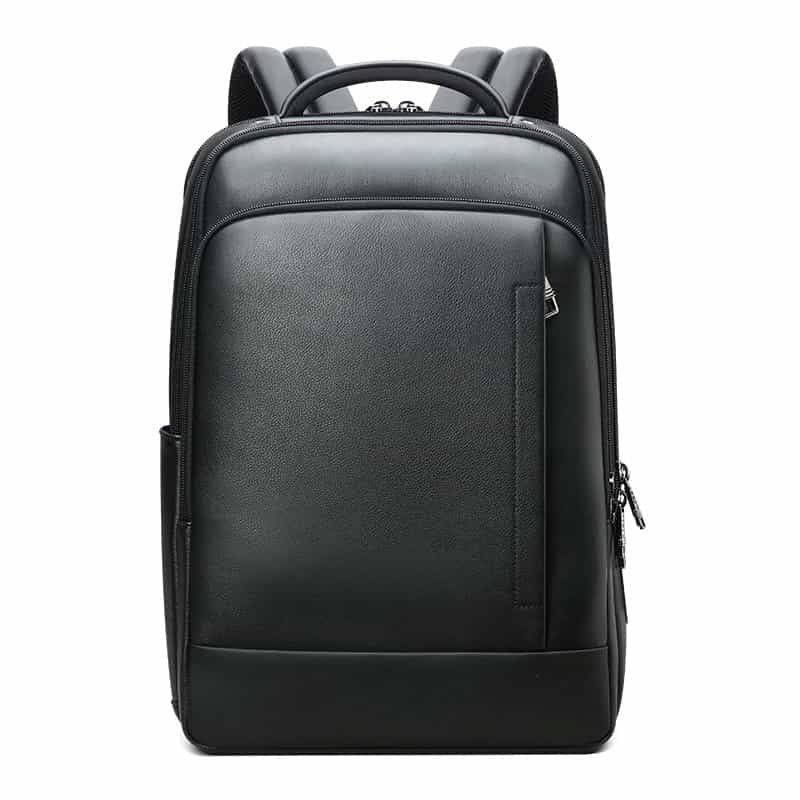
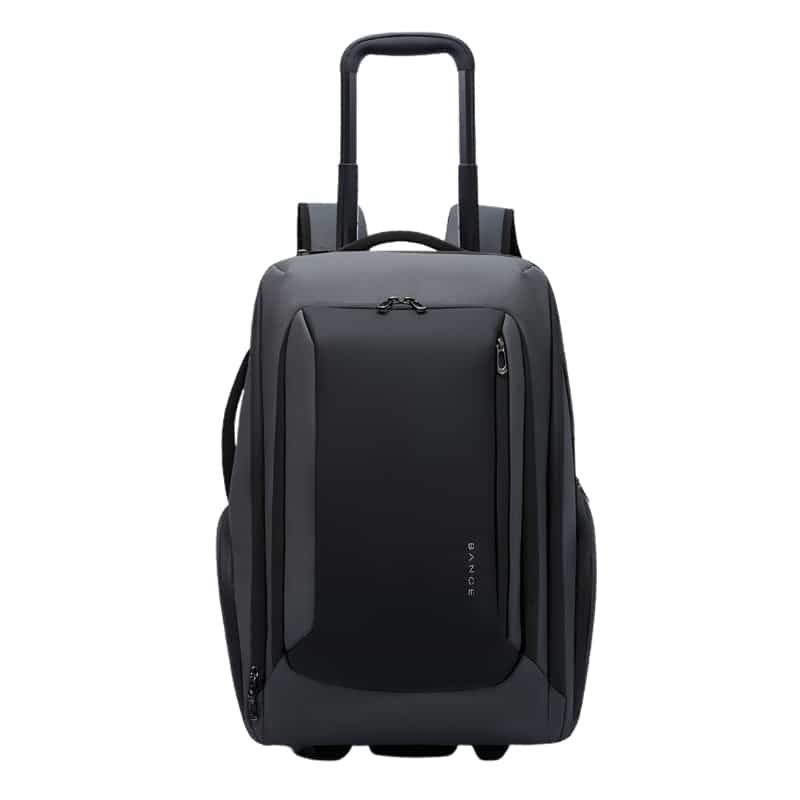
To prepare for losing a suitcase on connecting flights, always carry a quality carry-on backpack with a change of clothes for two days, medication and essential documents. In addition, attach a smart tracker (such as an AirTag) to your suitcase so you can follow it yourself in real time, and photograph the suitcase inside and out before handing it over at the check-in desk, to make tracing it and filing a claim easier if it gets lost.
The lesson from the Uman story: why connecting flights and overland transfers are a recipe for lost luggage
Recently the media, including an extensive report on the Behadrei Haredim website, covered the nerve-racking ordeal Elhanan Mishmarti went through on his way back from Uman. His journey, which included five hours of police questioning, complex DNA tests and, in the end, arriving at his destination without his suitcases, shows in the most painful way the reality of modern air travel. Trips that combine overland transfers, complicated border crossings and several connecting flights are fertile ground for human error, logistical delays and lost luggage.
When your suitcase passes from hand to hand, from porter to porter, from terminal to terminal, and sometimes between different airlines that don't fully cooperate, the chance of it being left behind rises sharply. The number of suitcases lost worldwide every year is trending upward, and the only way to make sure your vacation or business trip isn't ruined is simply to stop relying on luck and start preparing properly.
The 48-hour rule: what must go in your carry-on?
The first and most important rule of experienced travelers is simple: always assume your big suitcase won't reach your destination on time. Once that is your starting point, the way you pack your carry-on (your trolley or backpack) changes completely. We call it the "48-hour survival kit".
The backpack that comes with you into the cabin should hold everything you need to function for your first two days at your destination, without spending a cent and without panicking. Here is the list of gear that must physically be with you on the plane:
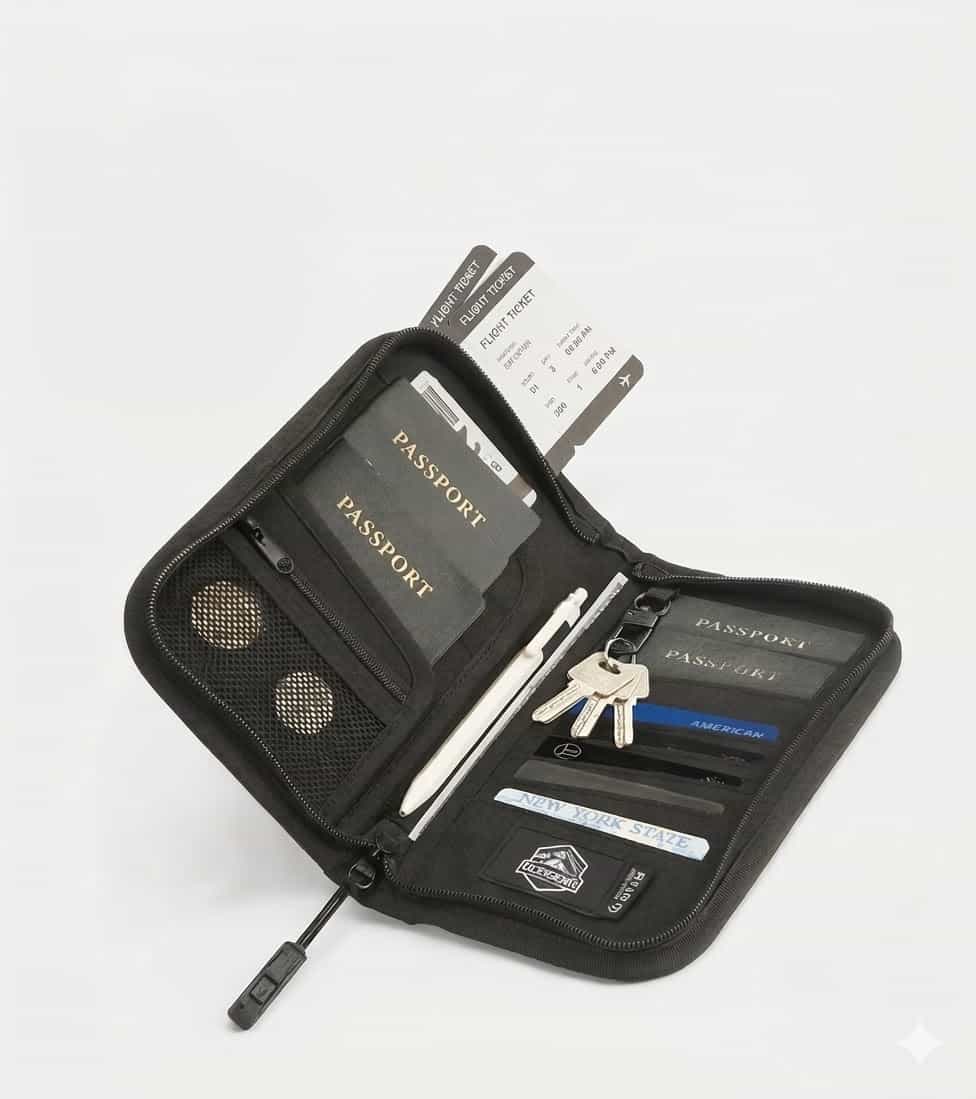
- Essential documents and money: passport, driver's license, printed boarding passes, hotel confirmations, a wallet with cash and credit cards. Never put these documents in the suitcase that goes in the hold.
- Prescription medication: if you take regular medication, carry enough for the whole trip in your hand luggage, together with a doctor's prescription in English.
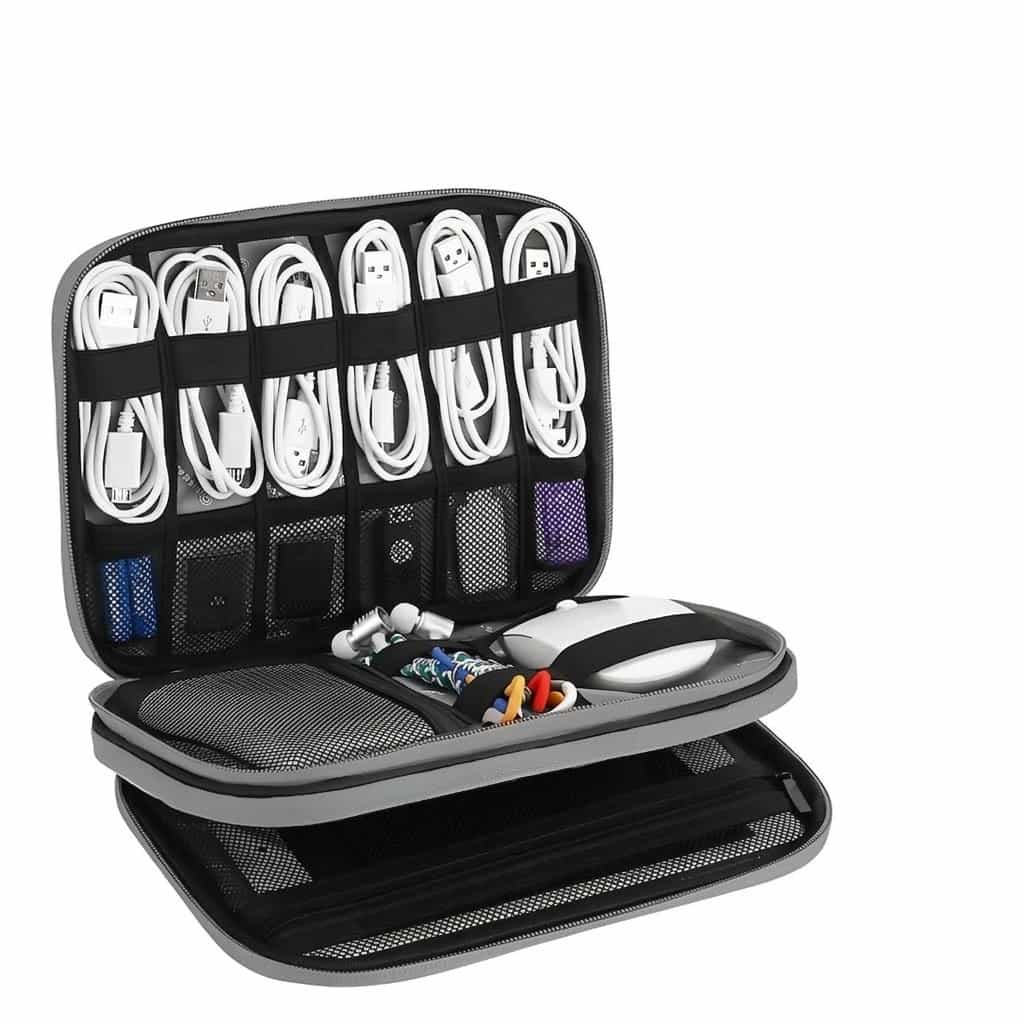
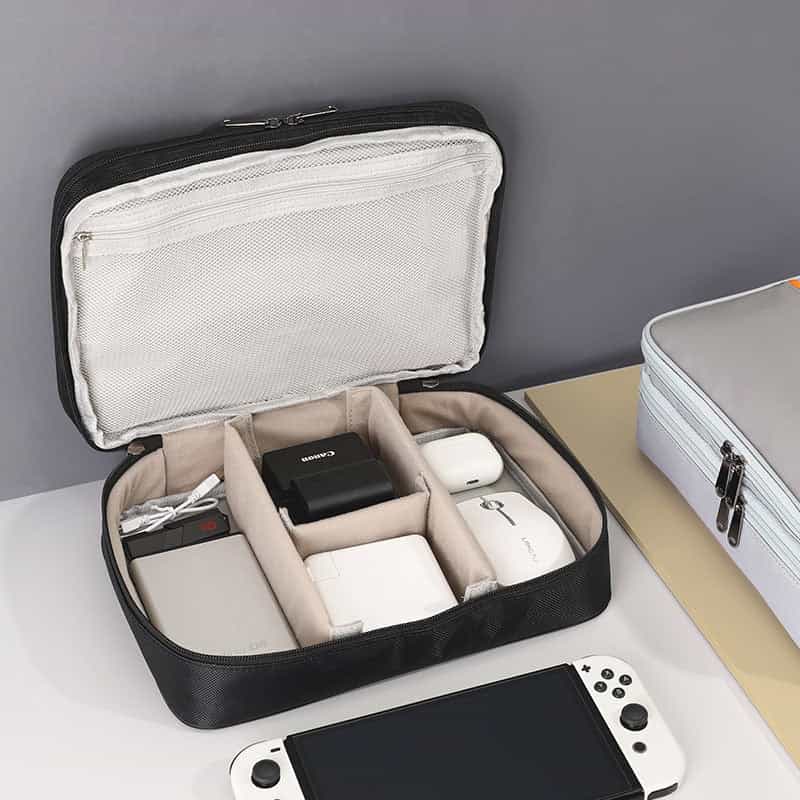
- Chargers and electronics: phone, laptop, tablet and a power bank. Remember that airlines ban lithium batteries in the hold for safety reasons.
- A change of clothes: a full set of underwear, socks, a clean shirt and even light pants. If you're flying somewhere cold, wear your coat or keep it in the bag.
- Basic toiletries (within liquid limits): toothbrush and toothpaste, a small deodorant and a hairbrush.
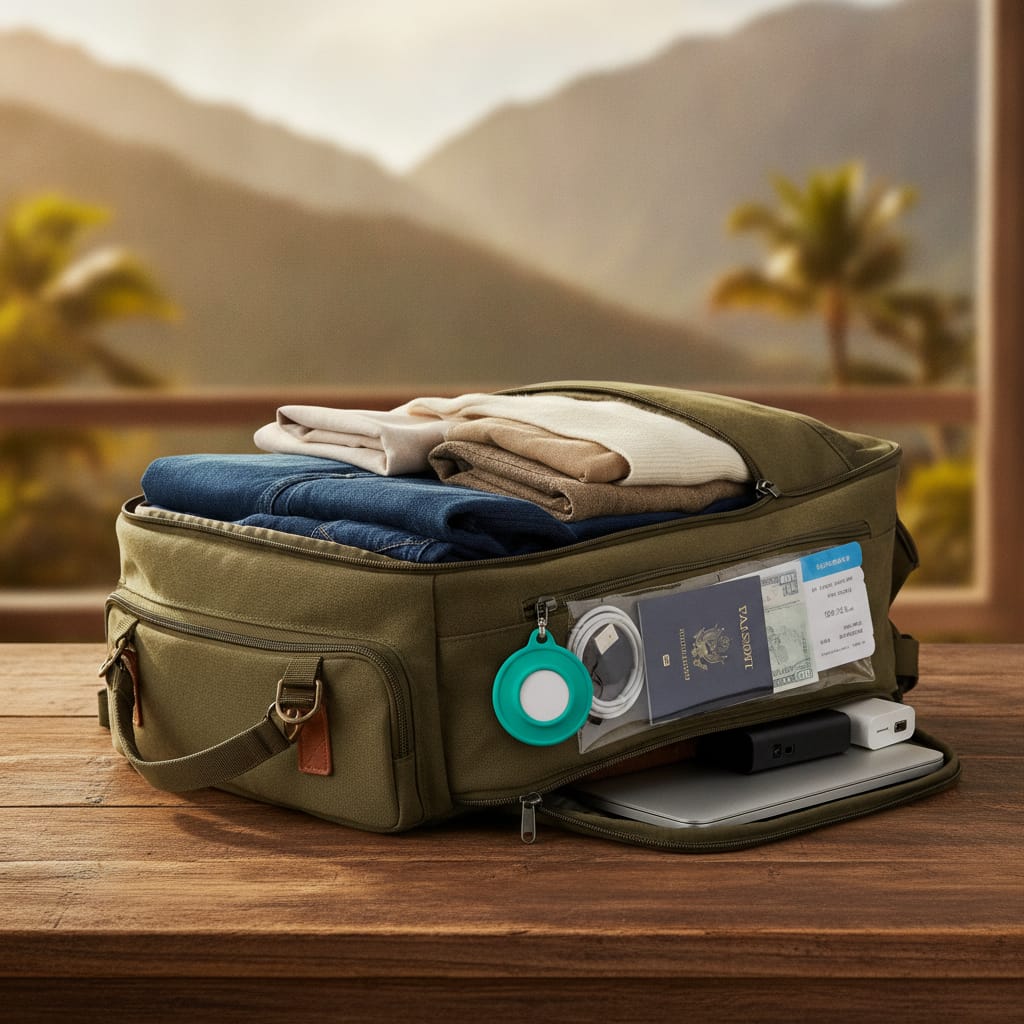
The tracking revolution: how smart trackers change the rules of the game
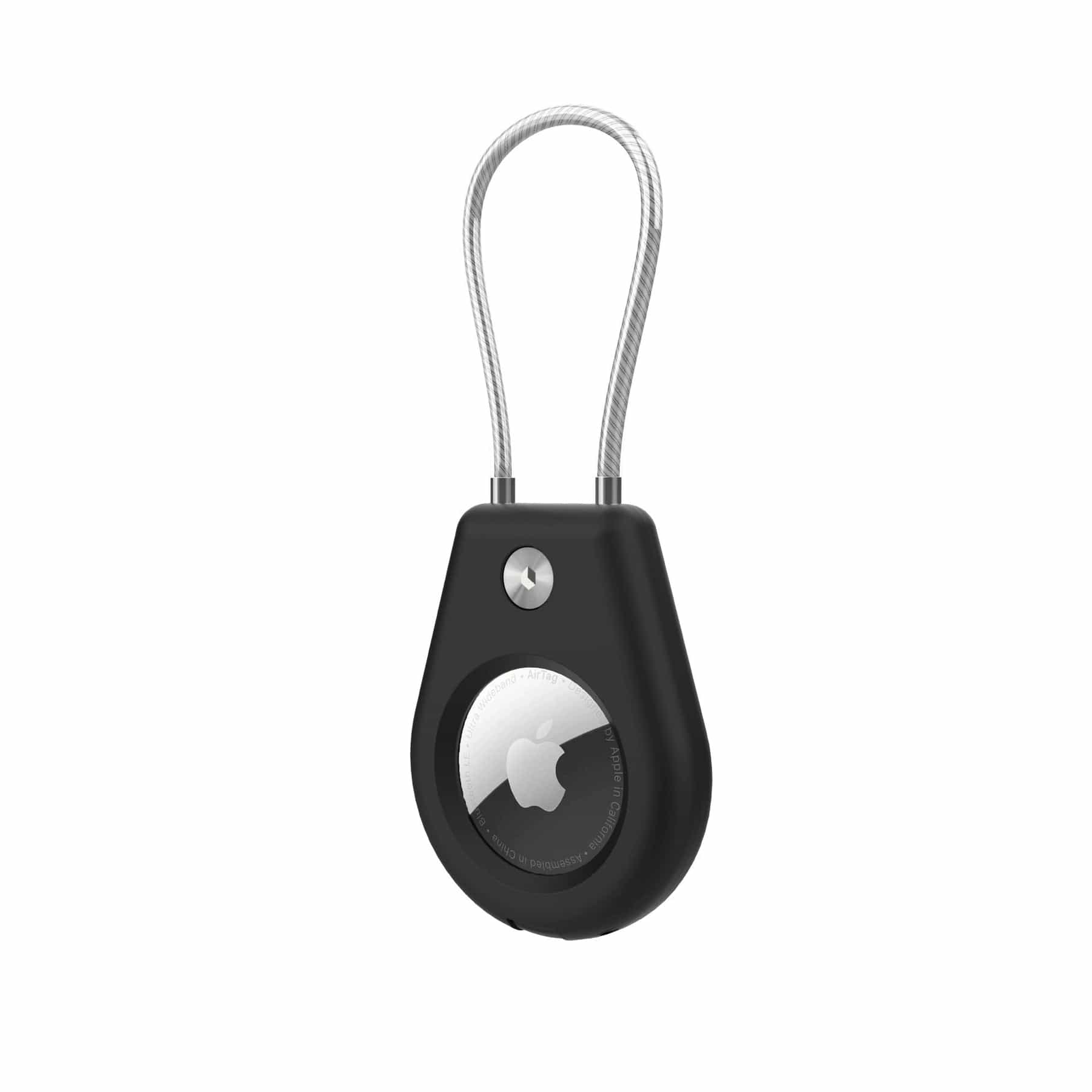
In the past, when your suitcase didn't show up on the carousel, passengers were completely helpless. We had to fill out long forms at the lost baggage desk, wait days for a phone call from the airline and hope for the best. Today, technology puts the power in your hands. Using Bluetooth-based smart trackers (such as an Apple AirTag or equivalent tags for Android users) is a must for every traveler.
These tags use the networks of mobile devices around them to send their exact location straight to your phone. So even before you get off the plane, you can open the app and see whether your suitcase landed with you at the same airport, or was mistakenly left behind at the stopover. This information is critical not only for your peace of mind, but also to show the airline exactly where your gear is and speed up its return.
| Security and tracking measure | Main advantage | Potential drawback | Who is it for? |
|---|---|---|---|
| Smart tracker (AirTag and similar) | Accurate real-time location at almost any airport in the world. | Needs a battery (lasts about a year) and a compatible device. | Every traveler, especially on complicated connecting flights. |
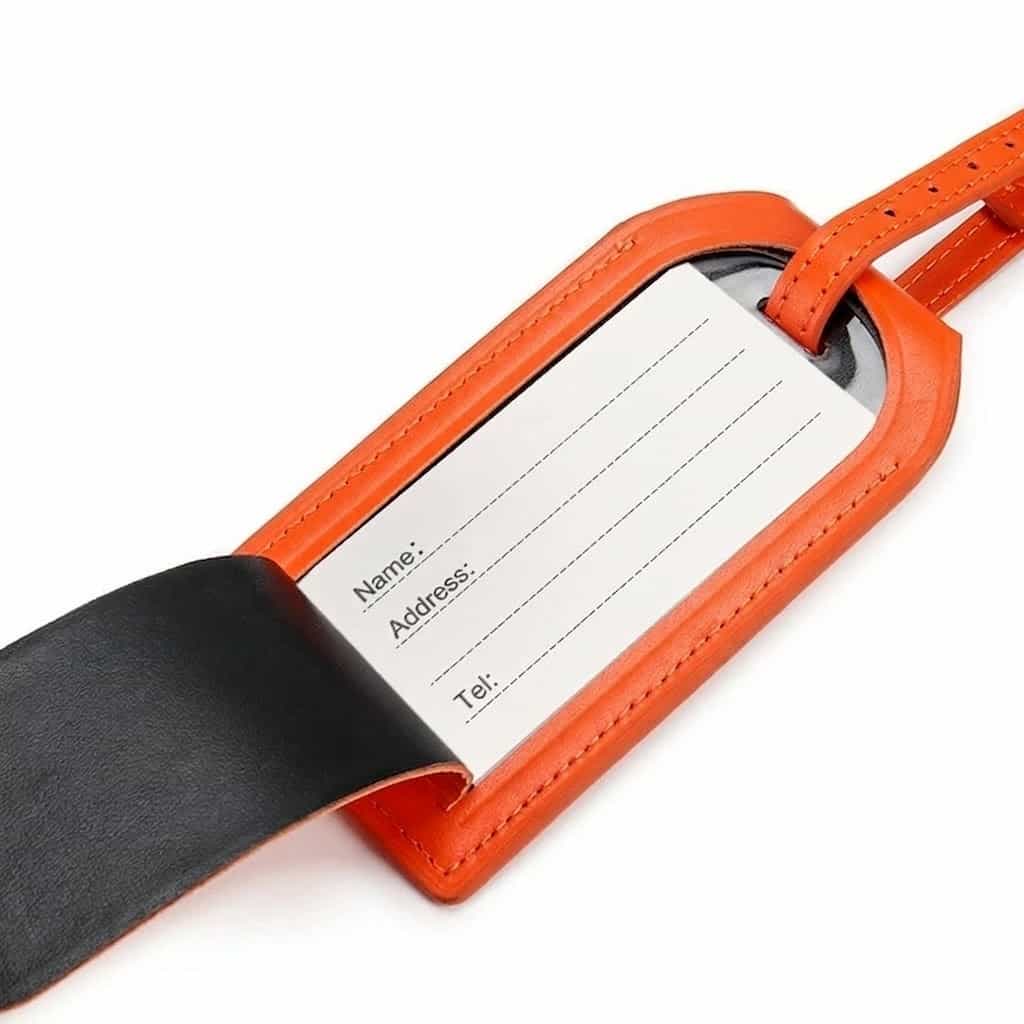
| A durable leather name tag | Lets anyone identify the owner immediately, with no technology or battery needed. | May be torn off if not attached securely. | A must for every suitcase sent to the hold. |
| TSA-approved lock | Prevents accidental opening and lets airport inspectors open the suitcase without damage. | Doesn't help locate a lost suitcase. | Travelers to the US and Europe who want to protect their belongings. |
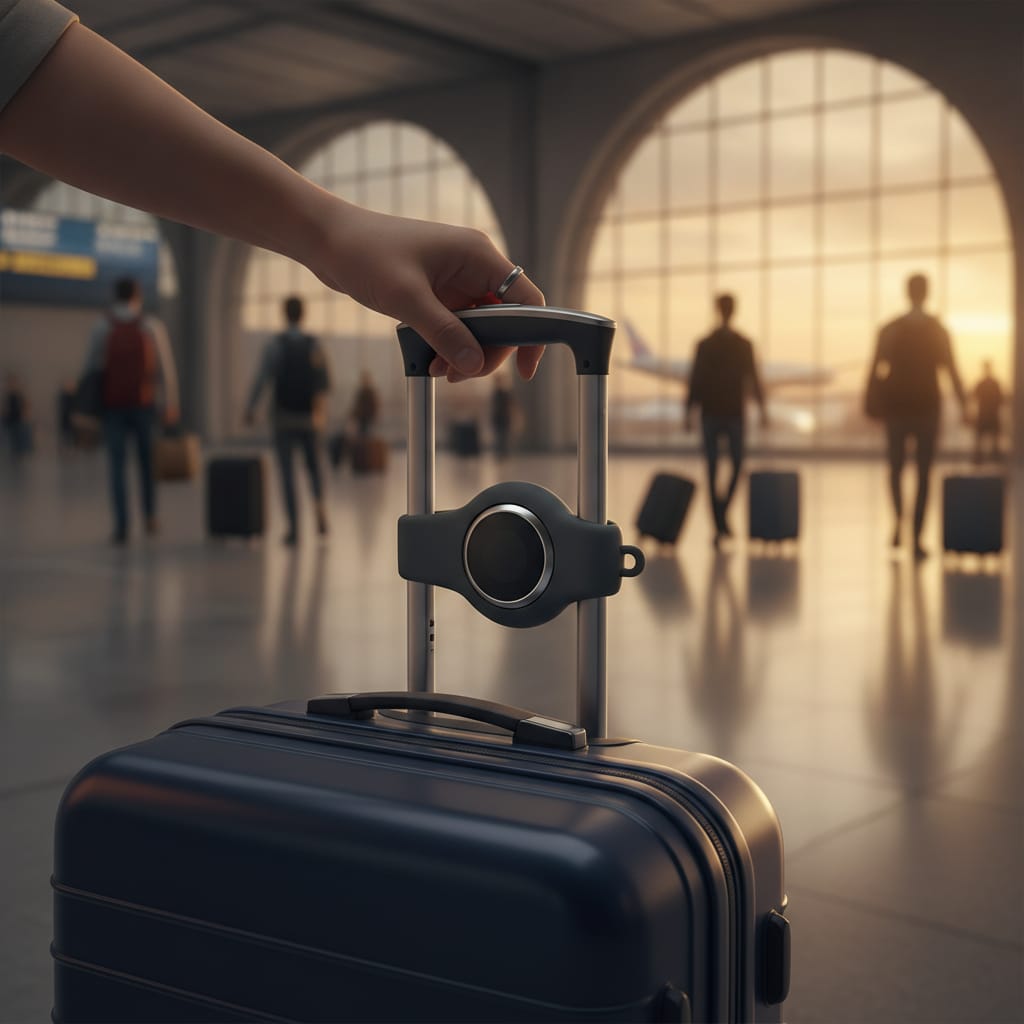
Smart precautions at the check-in desk: things most travelers forget to do
Preparing for a lost suitcase starts at home and continues in the critical moments before you hand over your bags at the desk. Here are a few simple steps that can save your trip:
1. Photograph the suitcase: before handing it over, take out your phone and photograph it from every side. Photograph the inside too, while it's open. If the suitcase gets lost, it will be much easier to show the airport staff exactly what it looks like, and if it's damaged, you'll have photographic proof of its original condition for an insurance claim.
2. Check the destination code on the tag: when the agent attaches the baggage tag to your suitcase, don't look away. Make sure the airport code printed on it (for example, JFK for New York, LHR for London) is really your final destination. On connecting flights, make sure the tag shows the suitcase is checked through to your final destination and doesn't stop at the stopover.
3. Keep the claim stub: the small barcode sticker you get with your boarding pass is your suitcase's ID card. Don't throw it away and don't lose it. Photograph it with your phone as soon as you get it, too.
What to do in real time when your suitcase doesn't arrive on the carousel
If you were standing by the carousel, the bags stopped coming and yours wasn't among them, first of all, take a deep breath. Panic won't help here. Go straight to the lost baggage office (Lost & Found) in the arrivals hall (before you exit through customs). Don't leave the hall, because you won't be able to get back in without special permission.
At the office they will ask for your baggage claim stub and fill out, together with you, a missing baggage report called a PIR (Property Irregularity Report). Make sure you get a copy of the report with a unique reference number. This number lets you track your suitcase's status online and file a claim with the airline or your insurer later. This is also the time to open your smart tracker's app and show the agent where the suitcase physically is, which can shorten the wait considerably.
Based on a report: "5 hours of questioning, a DNA test and no suitcases": Elhanan Mishmarti's ordeal on the way back from Uman, Behadrei Haredim
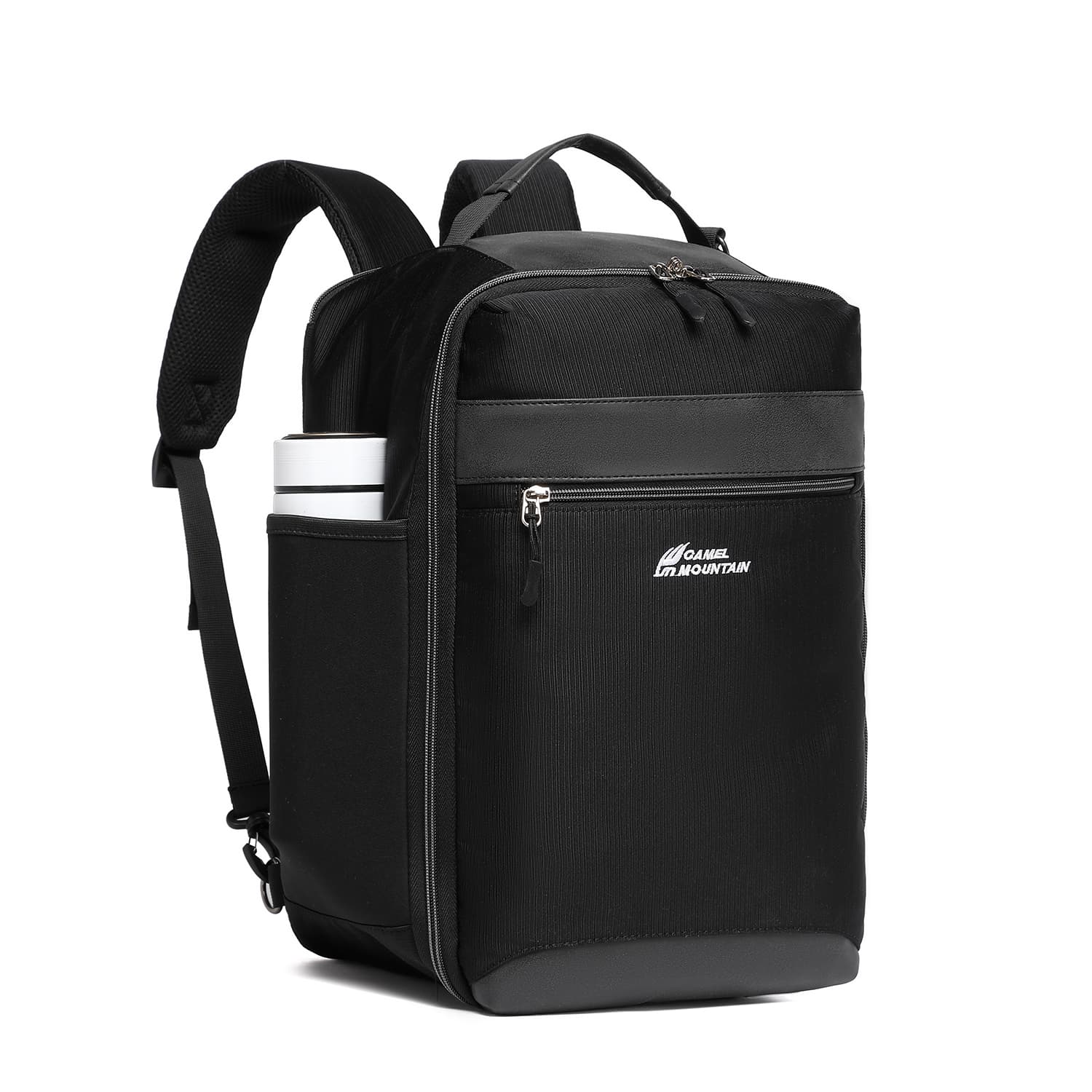
Products that will help you on the way


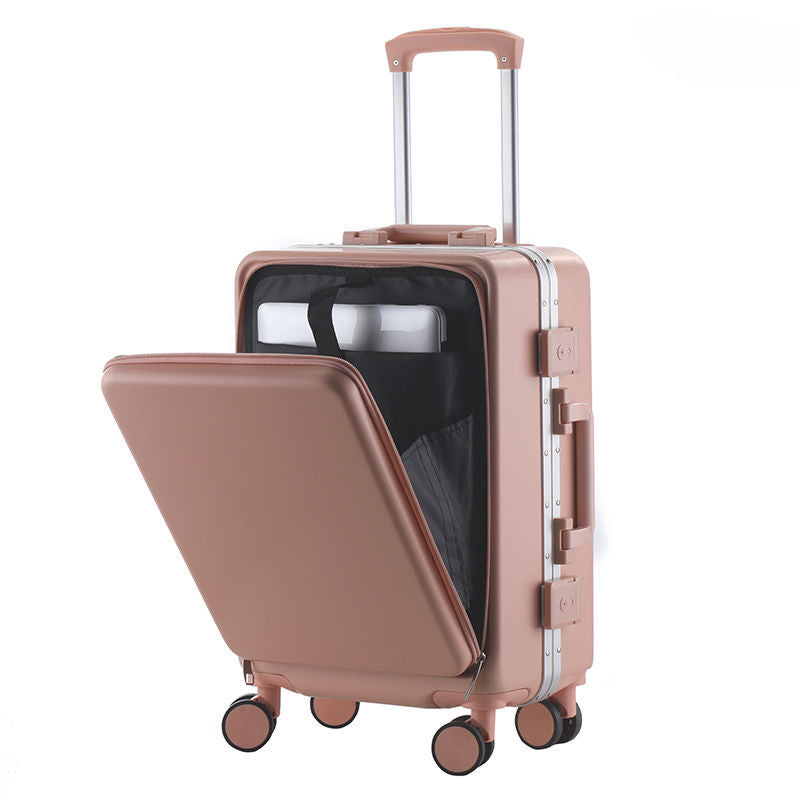
Products in this guide

Frequently asked questions
What is the difference between an AirTag and a regular GPS tracker for suitcases?
A GPS tracker needs an active SIM card, a monthly subscription and a strong battery that can run out quickly. An AirTag, by contrast, uses energy-efficient Bluetooth technology and relies on hundreds of millions of iPhones around it to report an accurate location, with no monthly cost and a battery that lasts about a year.
Can you put power banks in a suitcase that goes in the hold?
Absolutely not. Airlines ban lithium-ion batteries in the hold because of the fire risk. All power banks, portable chargers and devices containing such batteries must be carried only in the backpack that comes with you into the cabin.
What do you do if the airline says the suitcase is lost but the AirTag shows it at the airport?
Show the airport service agents the exact location in the app on your phone. This information helps them know which terminal or area of baggage sorting the suitcase is stuck in, and in many travelers' experience it is the most effective tool for finding the suitcase faster.
How many changes of clothes do you really need in the backpack you take on board?
Pack enough clothes for two days of travel: one set of underwear and socks, one clean shirt, and if you're flying to a different climate, a warm or light item to match the destination. That lets you manage comfortably until the suitcase is found and delivered to you.
Does travel insurance cover lost luggage immediately?
Most insurance policies offer compensation to buy essential, urgent items (such as clothes and toiletries) if your baggage is delayed beyond a set number of hours (usually 4 to 12 hours). For that, you must keep the PIR report you received at the airport and the receipts for what you bought at your destination.


