


Lost Luggage on a Flight? How to Prepare in Advance for Airport Chaos
October 23, 2026

To prepare for a situation where your suitcase doesn't reach its destination, act on two levels: first, pack your carry-on (a trolley or backpack) with a change of clothes for two days, medications, documents and chargers. Second, attach a smart tracker (such as an AirTag) and a sturdy physical ID tag with up-to-date contact details to every suitcase that goes into the hold.
Lessons from the global chaos: why do suitcases keep getting lost?
Recent BBC reports of passengers left without their baggage for weeks after air traffic control systems failed paint a worrying picture, but one familiar to anyone who has flown in recent years. The logistics systems at the world's big airports often run at the very edge of their capacity. A small delay on a connecting flight, a local strike or a minor software glitch is enough to create a domino effect that leaves thousands of suitcases behind.
As travelers, we can't control the airports' handling systems, but we certainly can control how we prepare for this kind of scenario. Our goal is simple: to make sure that even if the big suitcase didn't land with us, our vacation or business trip doesn't come to a halt.
The 72-hour rule: what has to go in your carry-on?
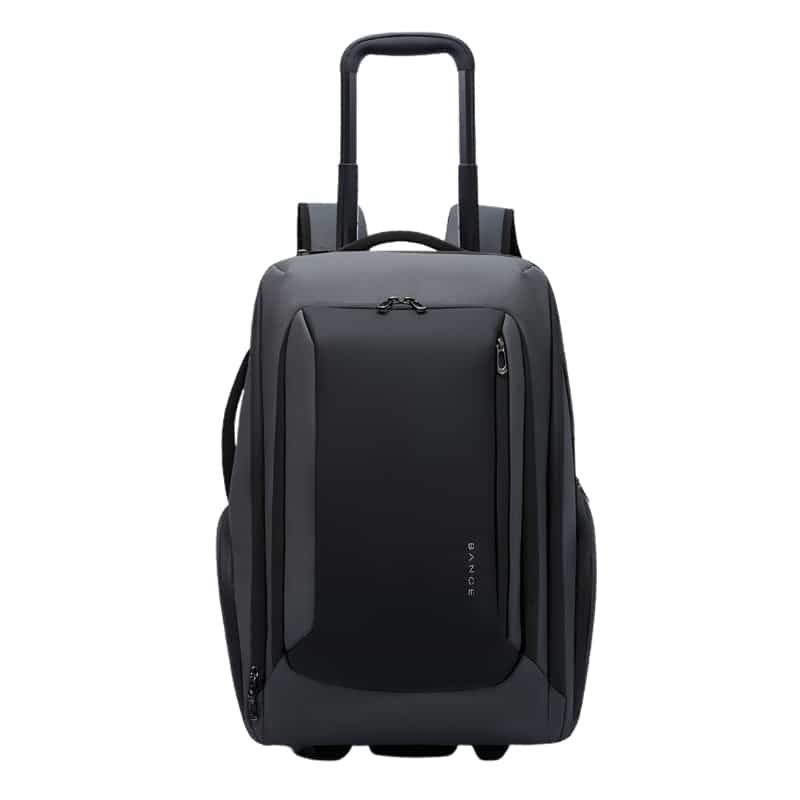
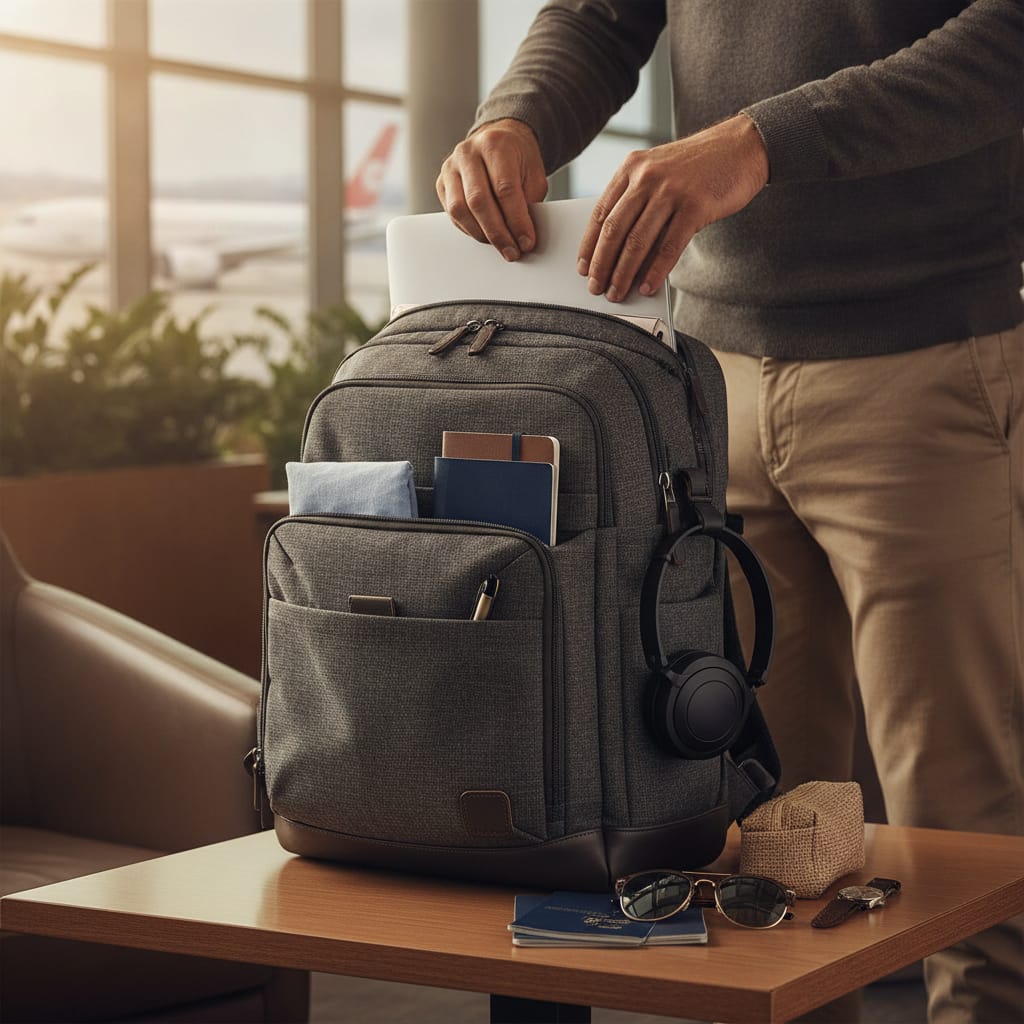
The most common mistake travelers make is packing all their essential gear in the big suitcase that goes into the hold (checked baggage). Camel Mountain's leading rule for smart travel is the "72-hour rule": assume that your carry-on is everything you will have for the first three days of the trip.
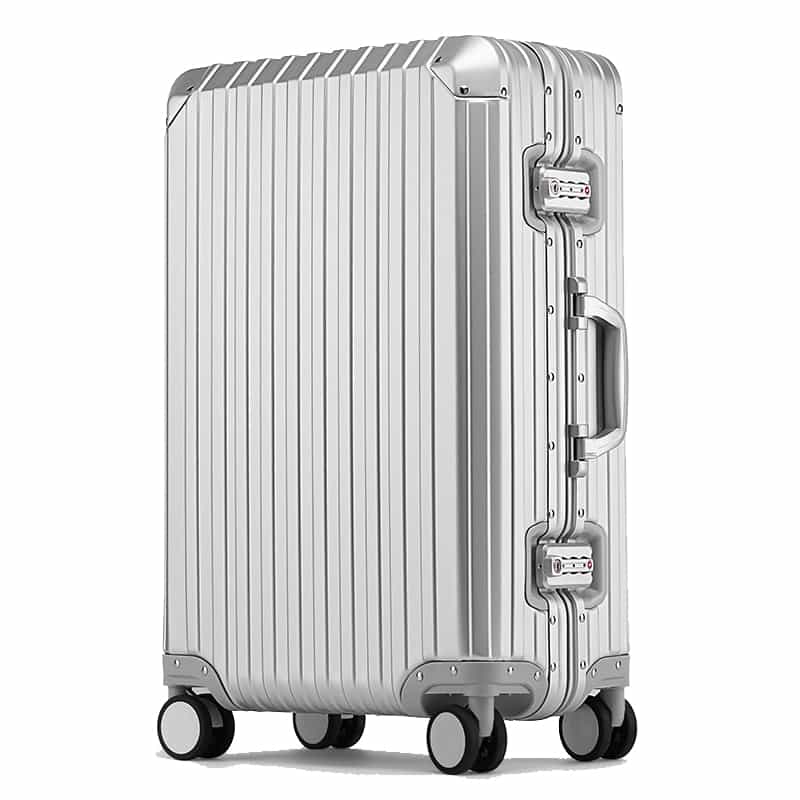
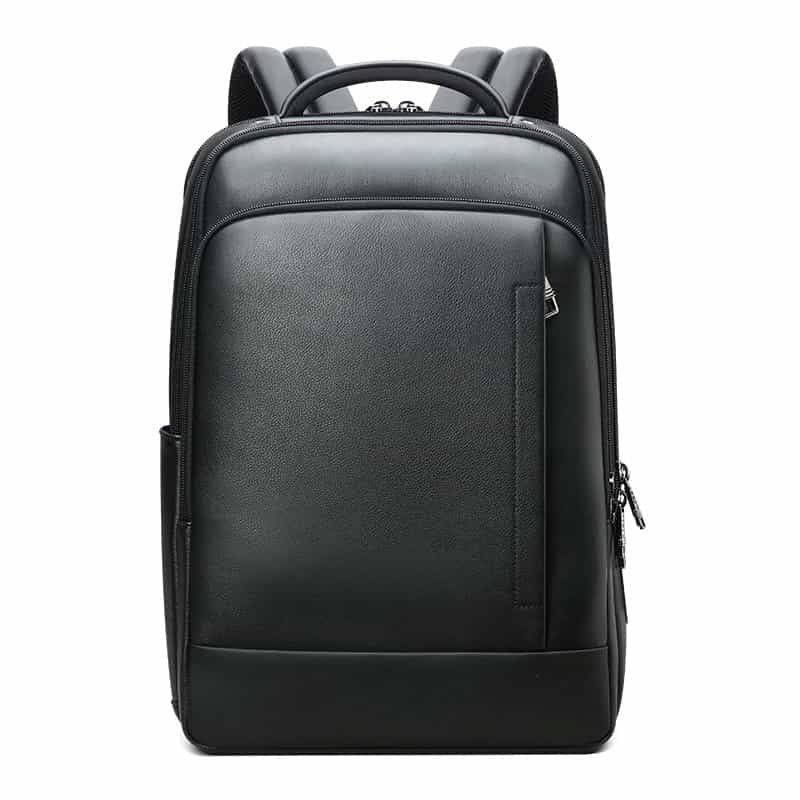
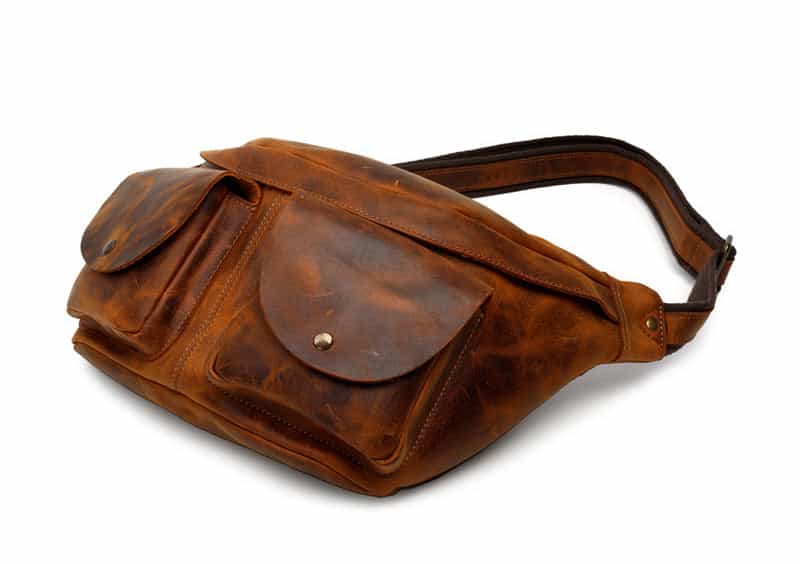
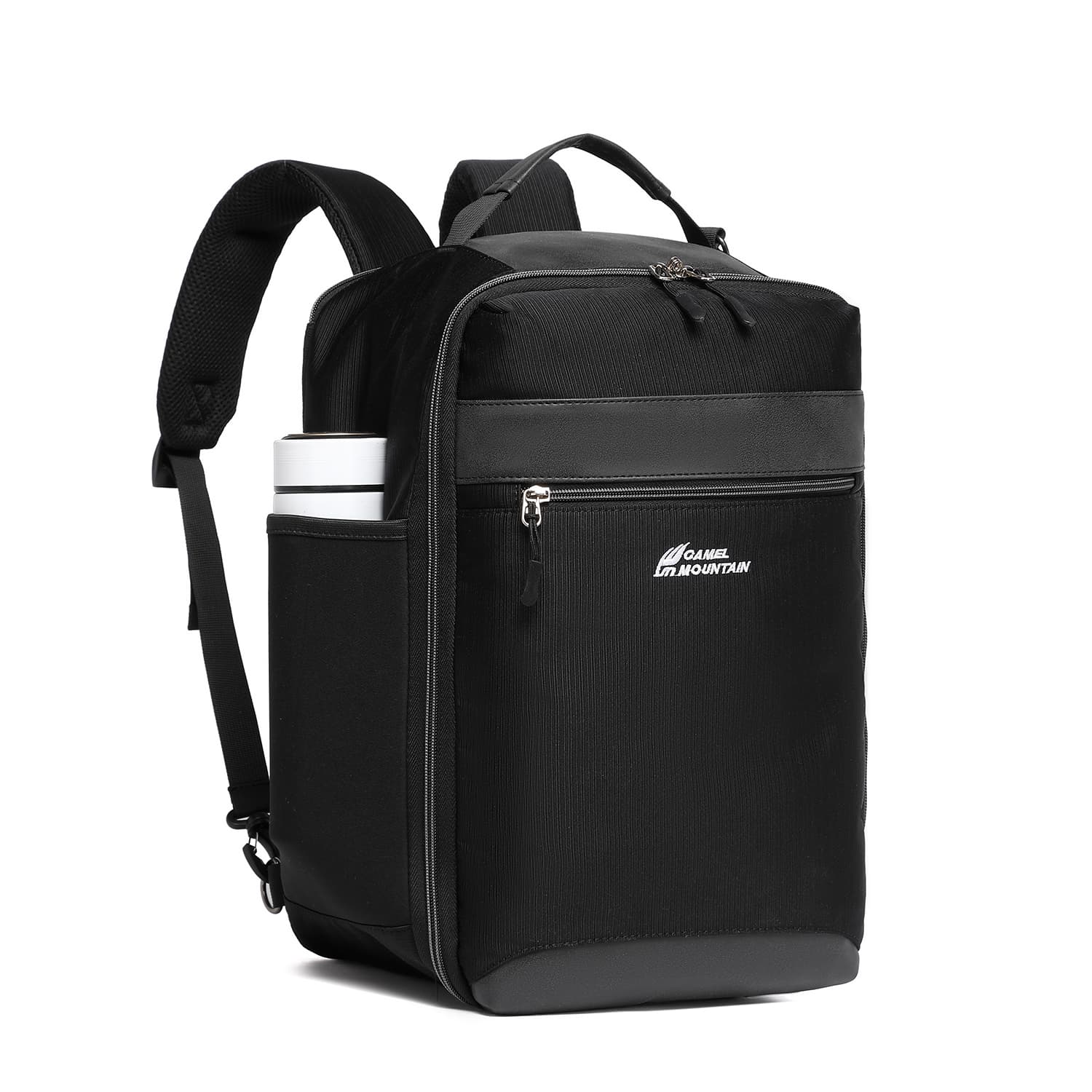
A quality ergonomic backpack or a compact trolley used as your carry-on should hold the following items:
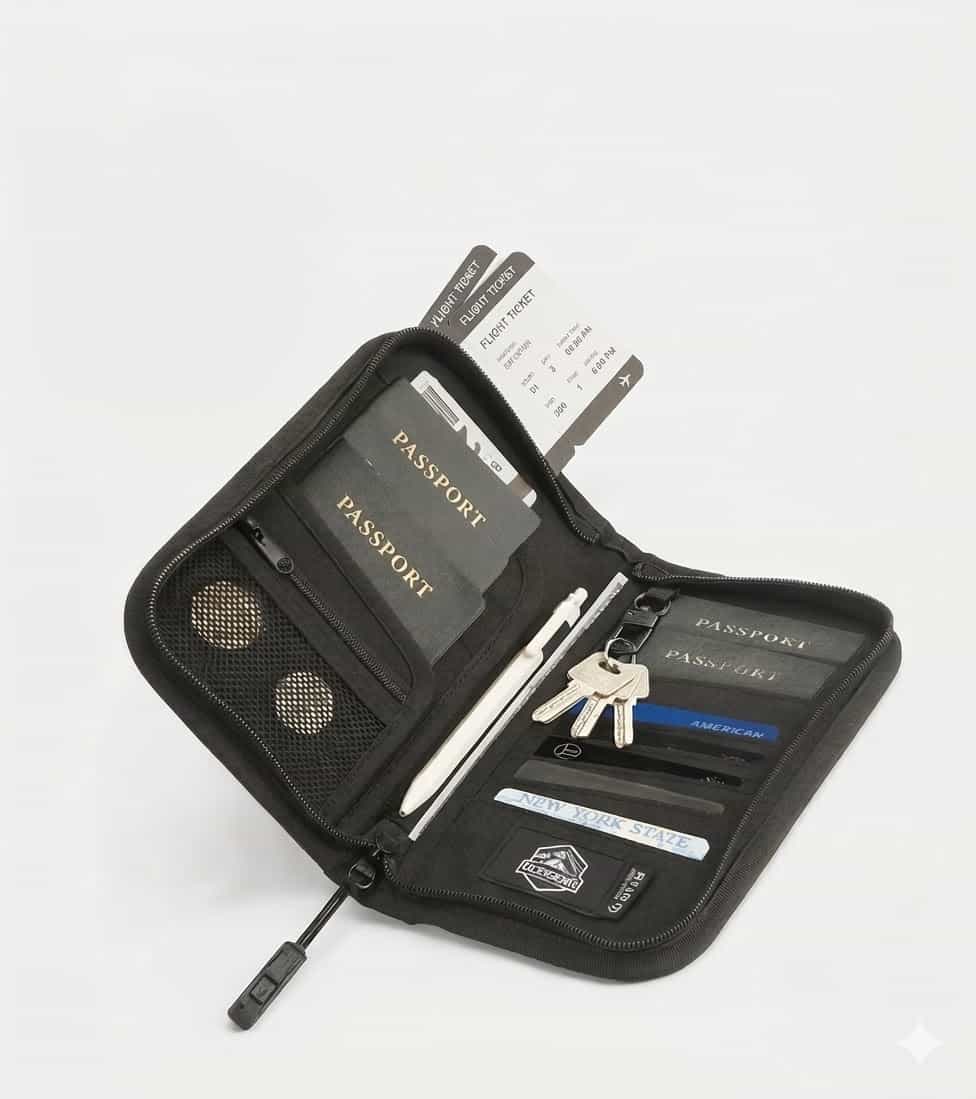
- Valuable documents and medications: passports, boarding passes, hotel confirmations, prescriptions and regular medications for the entire vacation (never send medications in the big suitcase!).
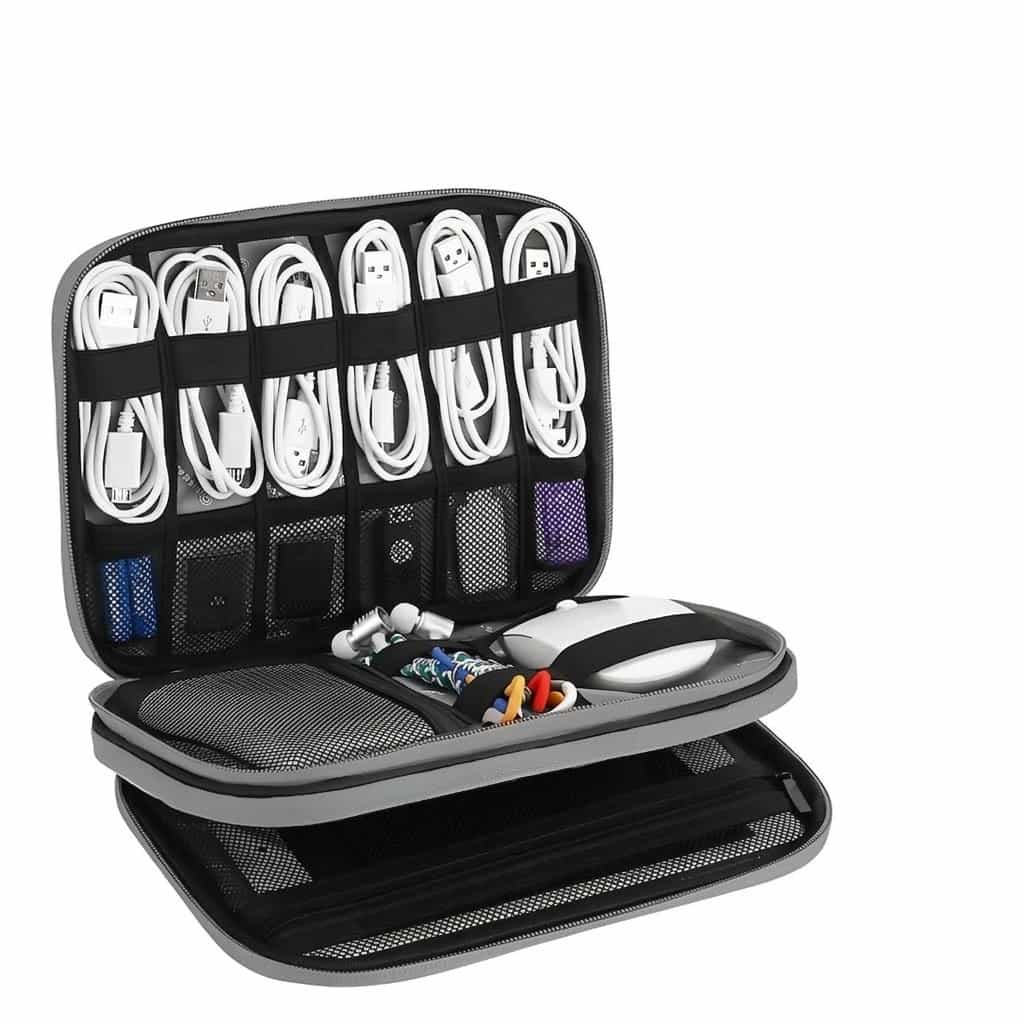
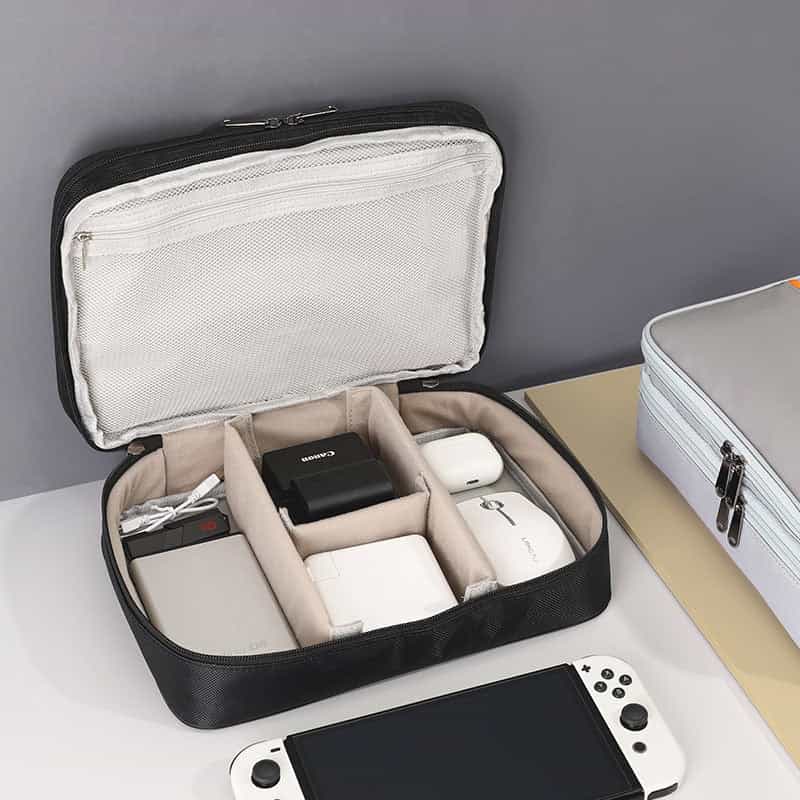
- Electronics and chargers: laptop, phone, camera and a power bank. Remember that lithium batteries are not allowed in the hold in any case.
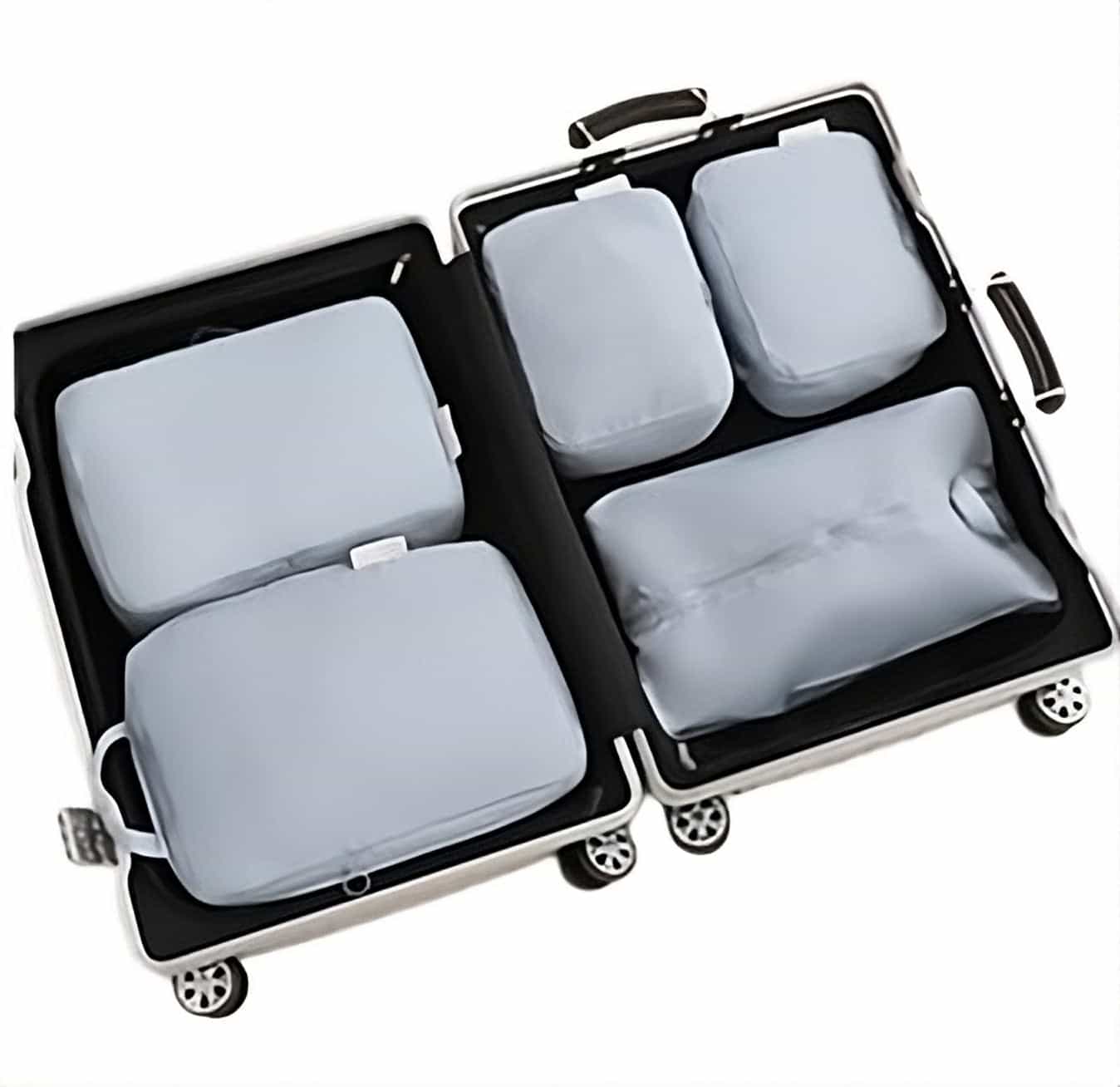
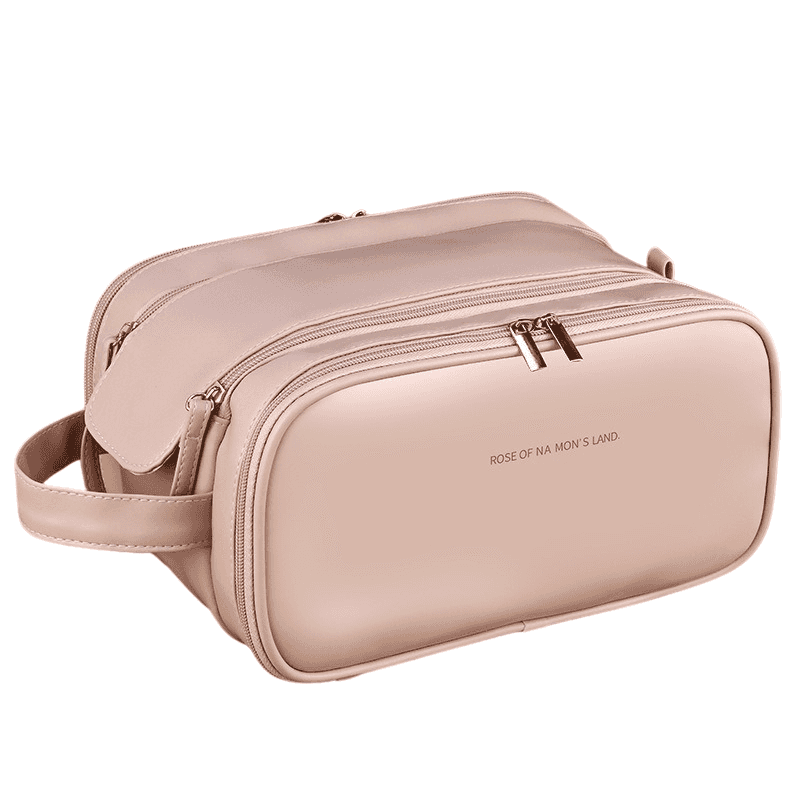
- A two-day survival kit: two full outfits (including underwear and socks), a toothbrush and toothpaste (travel size, up to 100 ml) and deodorant.
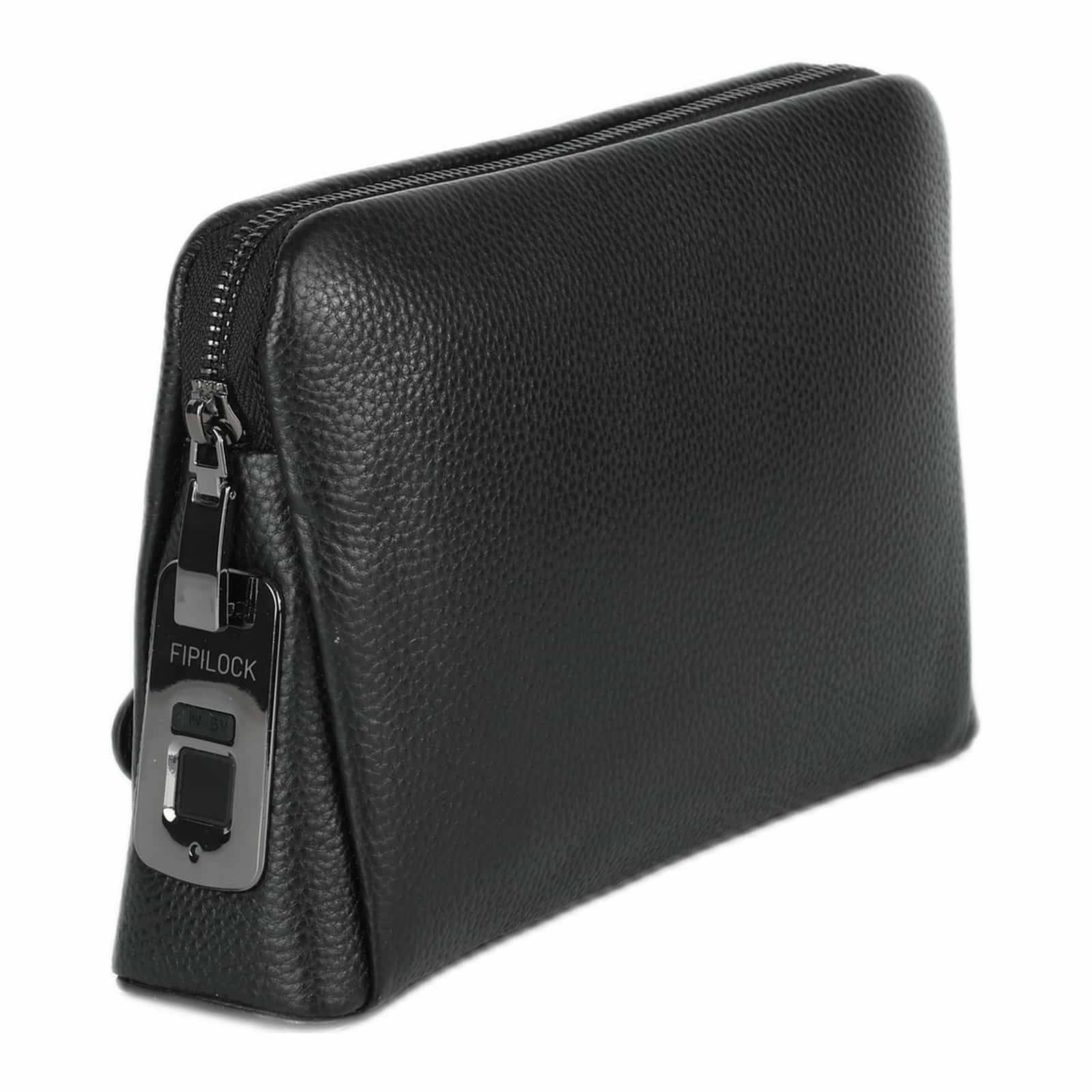
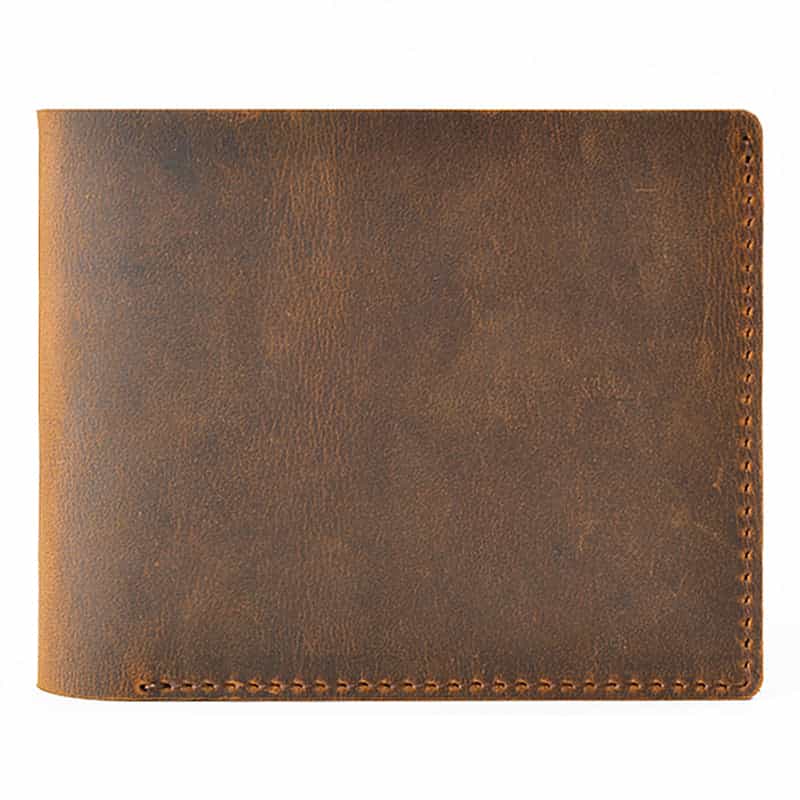
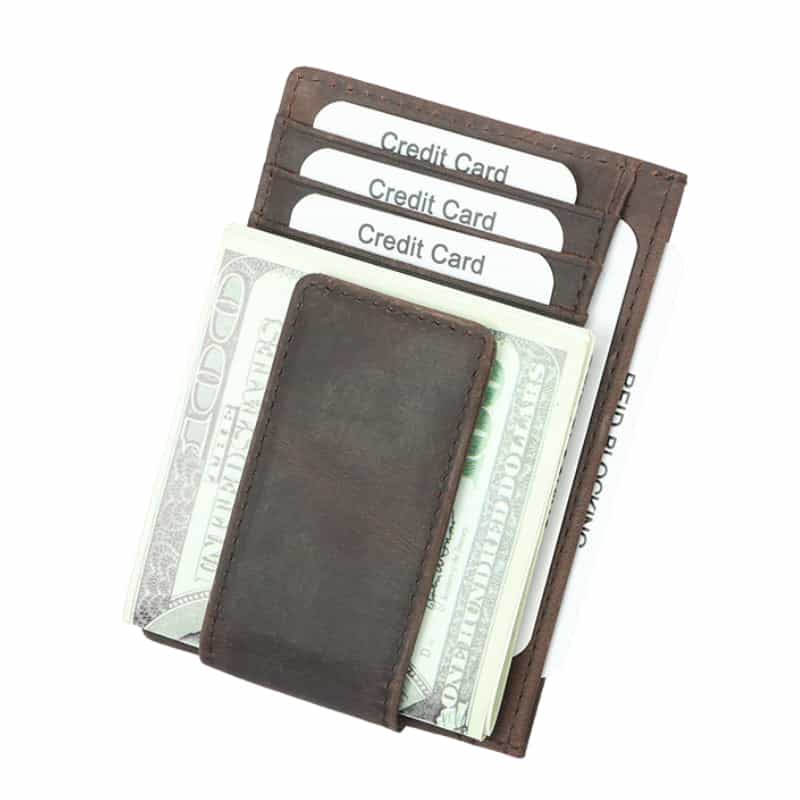
- Items of high sentimental or monetary value: jewelry, house and car keys, and a wallet with cash and protected credit cards.
Technology for travelers: the smart tracker revolution
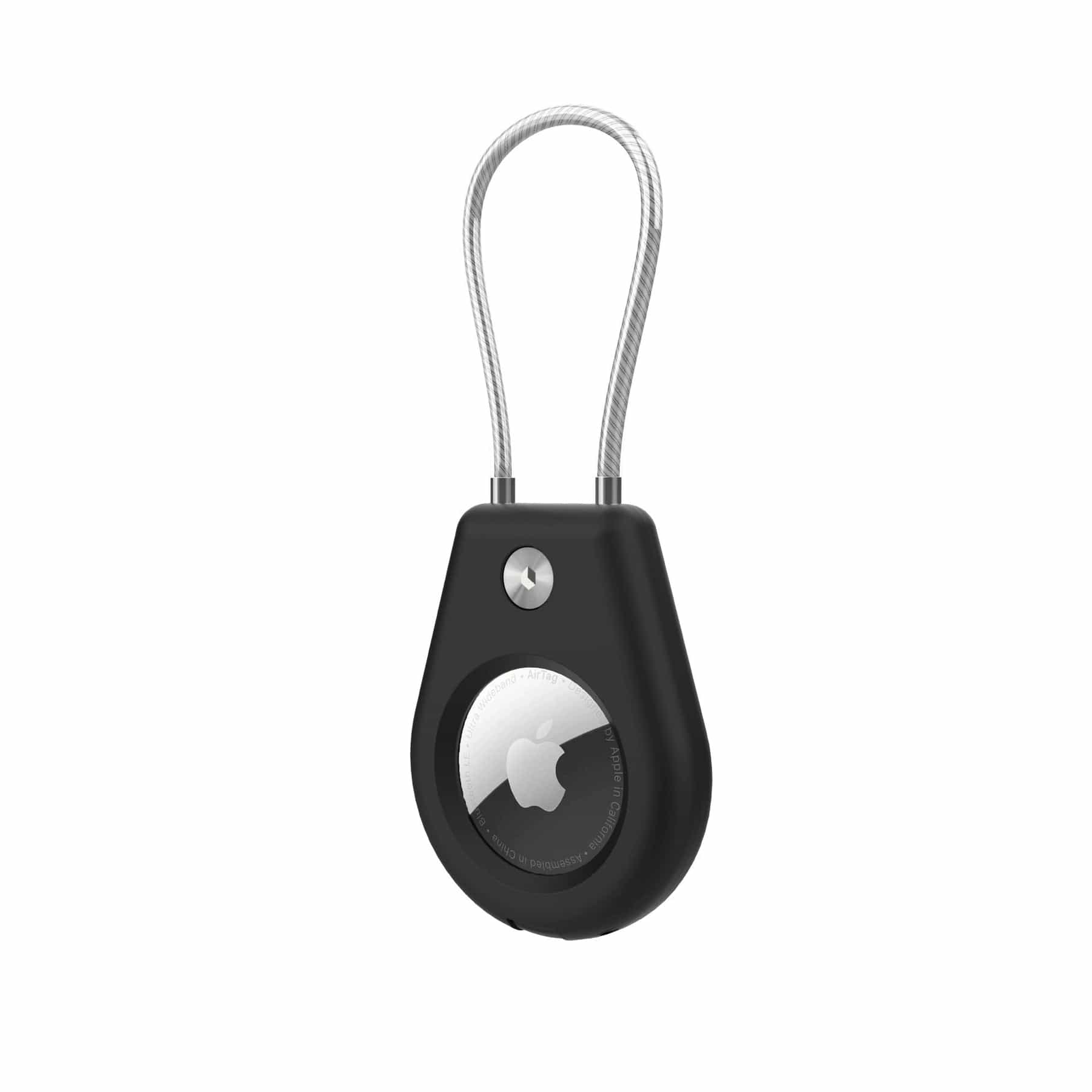
In the past, when a suitcase got lost, we depended entirely on the airline's goodwill and its old barcode system. Today, technology lets us take control. Using smart Bluetooth and GPS based trackers, such as the Apple AirTag or equivalent Android devices, has become a must for every frequent flyer.
These tags broadcast their location anonymously through networks of nearby mobile devices. That means you can know exactly where your suitcase is: whether it stayed at the departure airport, moved on to the connecting airport, or is waiting in a side room at the destination airport. More than once, passengers have managed to prove to airlines that their suitcase was physically at the airport thanks to the app on their phone, and so significantly shortened the wait to get it back.
Comparing packing strategies: carry-on versus big suitcase
To bring some order and make sure you pack correctly, we have summarized the recommended division of roles between your carry-on and the suitcase that goes into the hold:
| Feature / type of gear | Carry-on | Checked bag |
|---|---|---|
| Risk of loss | None (it stays with you all the way) | Medium to high (depends on the number of connections) |
| Documents and money | A must! Including passports, credit cards and protected wallets. | Absolutely not. |
| Clothing and toiletries | A basic set of clothes for the first 48 to 72 hours, small toiletries. | Most of the clothes, extra shoes, full-size toiletries. |
| Technology and tracking | Laptop, chargers, phones. | A smart tracker (AirTag) well hidden inside the suitcase. |
The complete guide to preparing your suitcase before check-in
Beyond smart packing in your carry-on, there are a few simple things you can do to your big suitcase to reduce the chance of it getting lost, or to make it easier to find quickly:
- Remove old stickers: make sure there are no barcodes or stickers from previous flights on the suitcase. Automated sorting systems can get confused and send the suitcase to a past destination.
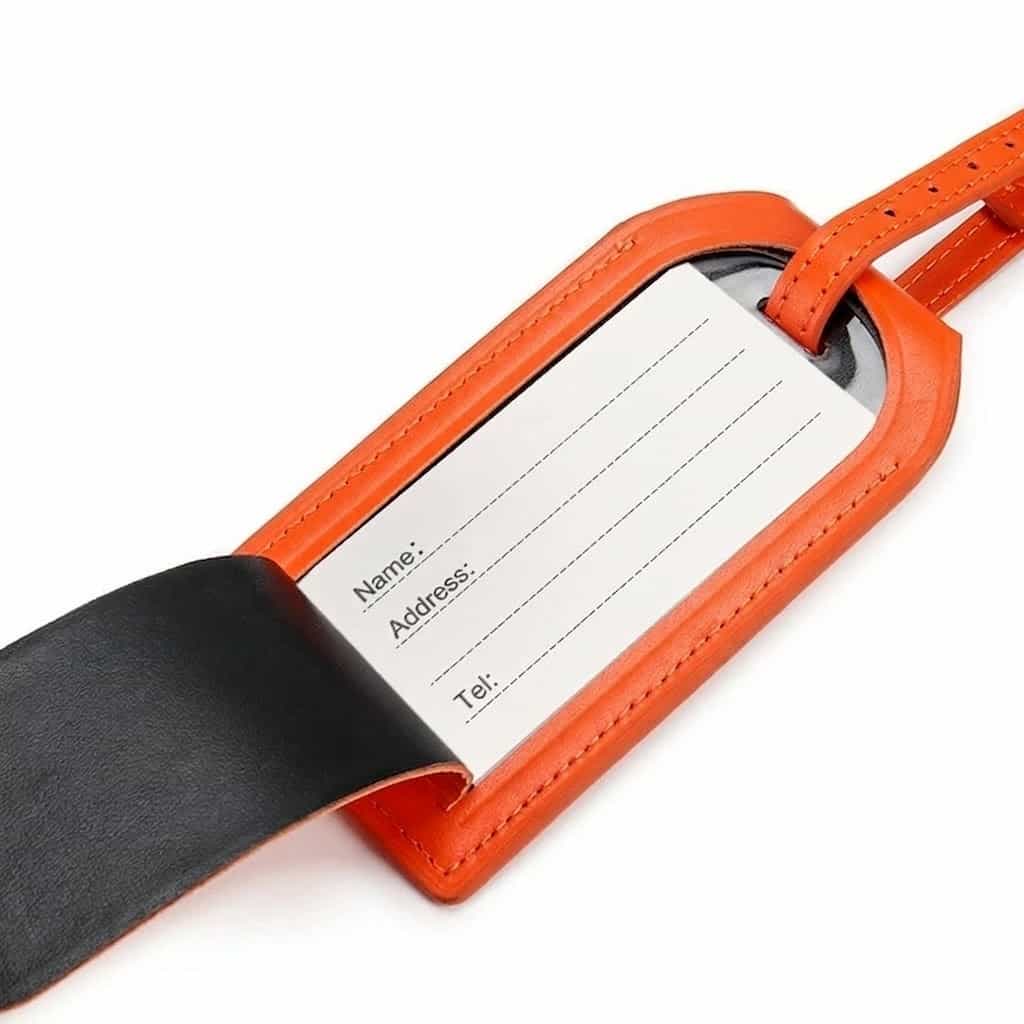
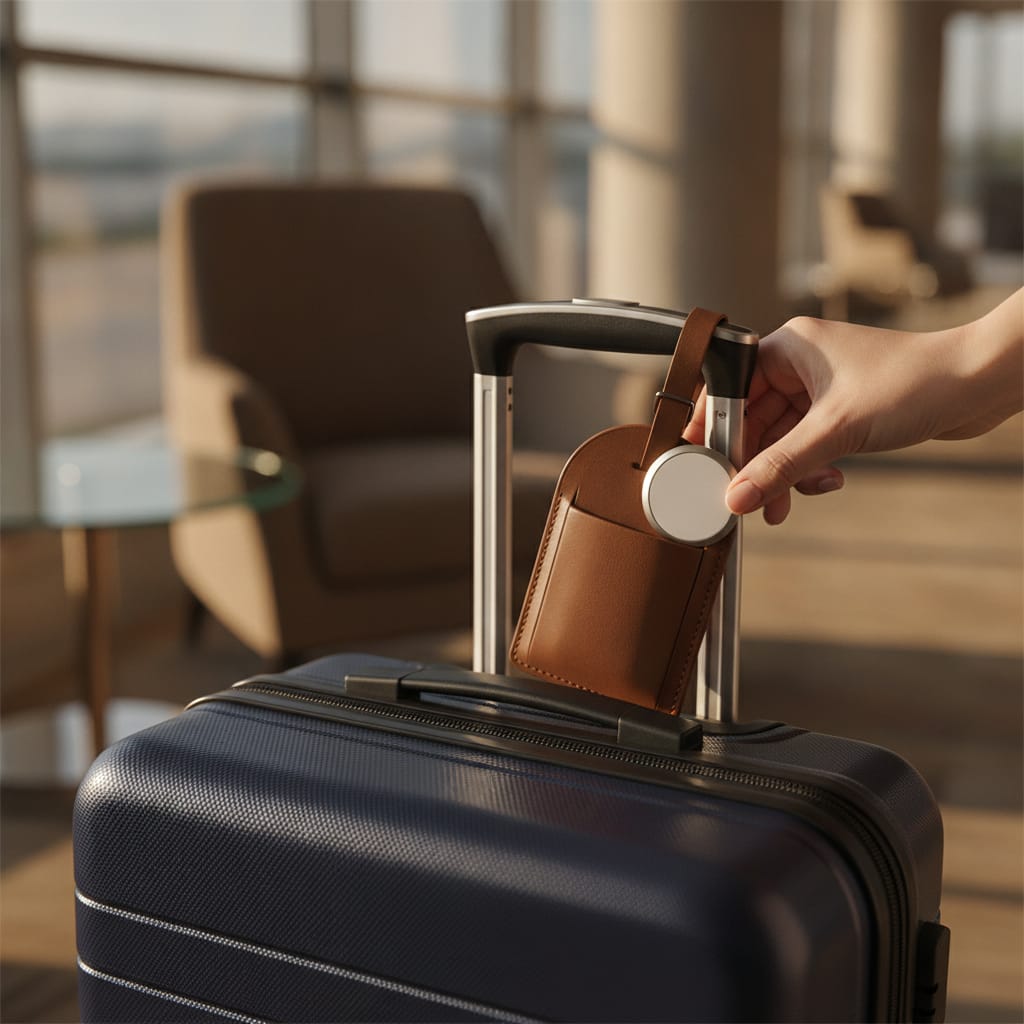
- A sturdy external ID tag: attach a quality name tag made of leather or durable silicone. Write your full name, phone number (with the international dialing code) and email on it. For personal security, we recommend not writing your full home address.
- Photograph the suitcase: before handing your suitcase over at check-in, photograph it from every angle. If it gets lost, it will be much easier to show the lost and found desk exactly what it looks like, instead of trying to describe it in words.
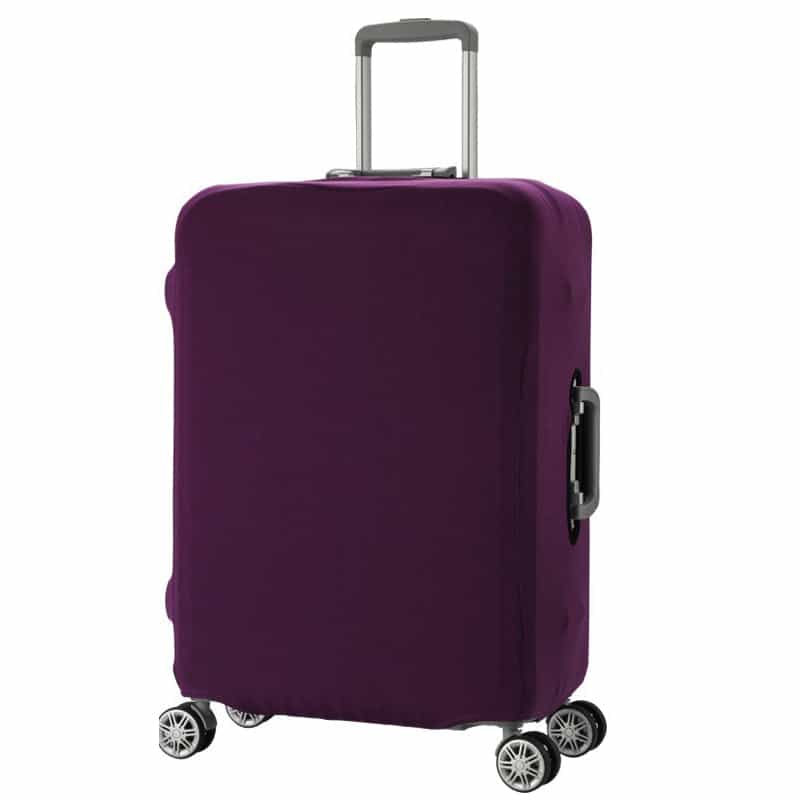
- Make it stand out: many black suitcases look exactly alike. Add a colorful ribbon, a unique sticker or a striking suitcase cover to yours, so other passengers don't take it from the carousel by mistake.
A perfect trip starts with peace of mind. When you know that everything important to you is with you in your carry-on, and that your tech toolkit is protecting the big bag, you can get through the busiest airports with a smile and full confidence.
Based on a report: Bags still missing for passenger after air traffic control chaos, BBC
Products to help you on the way



Products in this guide


Frequently asked questions
What should you do the moment you realize your suitcase didn't arrive on the carousel?
Go straight to the airline's baggage tracing desk at the airport (Lost & Found) and fill in a PIR (Property Irregularity Report). Don't leave the airport without a copy of the report and a tracking number, since they are essential for getting compensation from the airline and the insurer.
Is it allowed to put an AirTag inside a checked suitcase?
Yes. The major airlines and international aviation organizations (such as IATA) have officially confirmed that smart trackers may be used in suitcases, because they run on very small batteries and transmit at low power that does not endanger the aircraft's systems.
How many clothes should you pack in your carry-on?
We recommend packing at least two full outfits (including underwear and socks) suited to the weather at your destination. That lets you manage comfortably for the first two or three days until the suitcase arrives or until you buy new clothes.
Does insurance cover buying clothes if your baggage is delayed?
Yes, most travel insurance policies include coverage for buying essential items (such as clothes and toiletries) if your suitcase is delayed beyond a set number of hours (usually 8 to 12 hours). Keep all the receipts for the purchases you made.


