
How to Fly Low-Cost Without Paying Fees: A Guide to Carry-On and Backpack Sizes
October 23, 2026
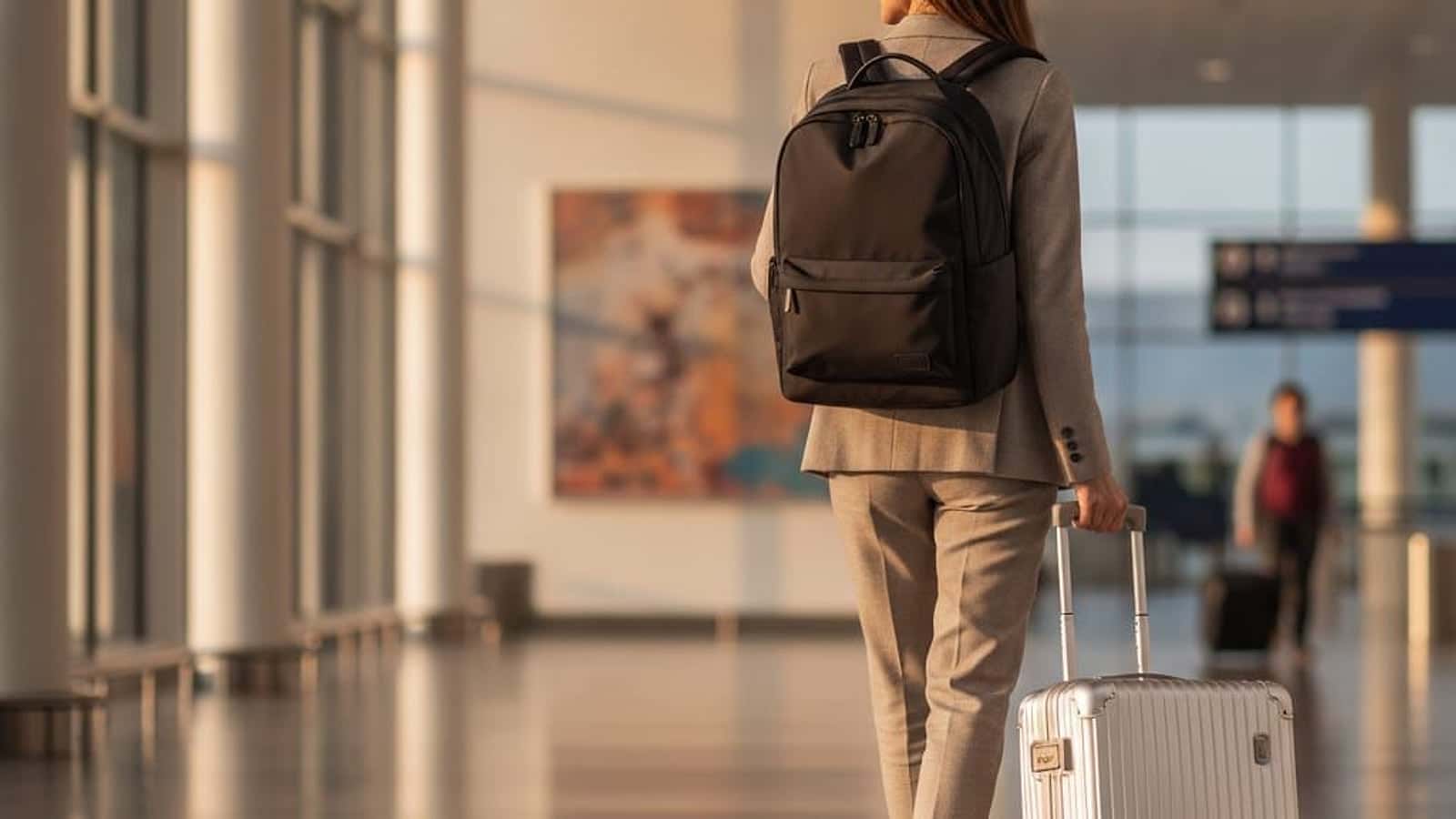
To fly low-cost without paying fees, get a small backpack (personal item) of up to 40x20x25 cm for Ryanair or 40x30x20 cm for Wizz Air and EasyJet, which fits under the seat in front of you. If you bought an upgraded ticket (Priority), you can also take a standard carry-on suitcase of up to 55x40x20 cm and up to 10 kg into the cabin.
An article recently published on the Israeli news site br7news described how many travelers are changing their habits and switching to a small carry-on and compact backpacks for the plane. The goal is clear: skip the long check-in queues, avoid the nerve-racking wait by the baggage carousel on landing, and of course, save a lot of money on extra baggage in each direction. At Camel Mountain, a family business that has been accompanying travelers since 1975, we see this change on the ground every day. Travelers are no longer willing to be suckers and pay exorbitant fees at the boarding gate just because one wheel of the suitcase sticks out by a centimeter.
The rules of the game have changed: what can you really take on board for free?
If airlines used to turn a blind eye to bulging backpacks or oversized carry-ons, today the checks are stricter than ever. The big low-cost airlines, Wizz Air, Ryanair and EasyJet, have turned sizing into a significant source of revenue. At many airports in Europe and elsewhere, dedicated staff direct passengers whose bags look too big to the metal sizing frames (sizers).
The most basic rule to understand is the difference between a personal item and cabin baggage (cabin bag or trolley):
- Personal item (included in the basic ticket price): a backpack, crossbody bag or laptop bag that must fit completely under the seat in front of you during the flight.
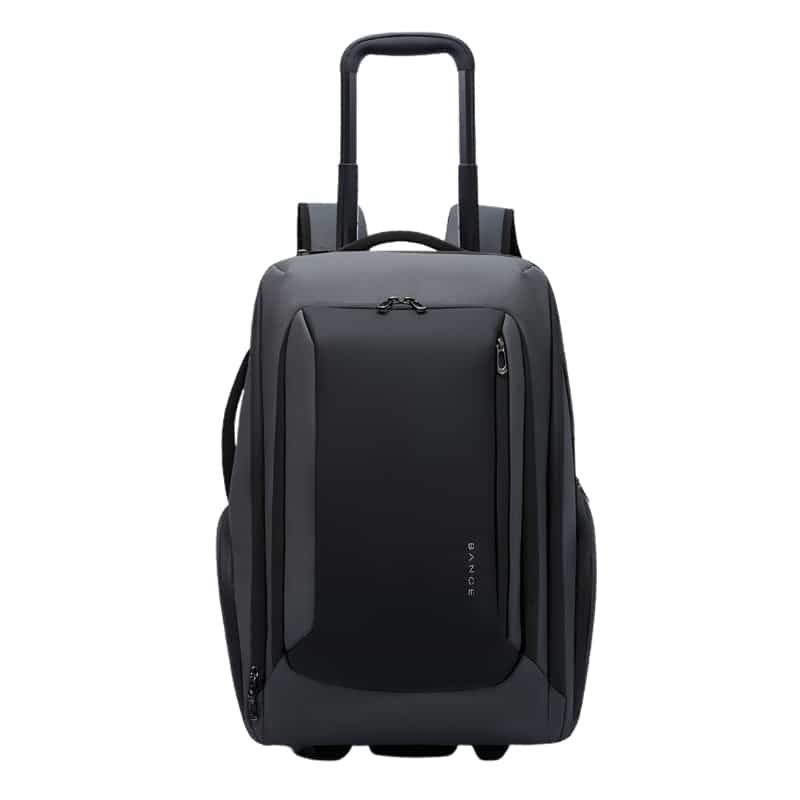
- Cabin baggage or carry-on (extra fee): a small suitcase or large backpack meant to be stored in the overhead bins above the seats. To take one on board, you need to buy a Priority ticket or add baggage separately on the airline's website before check-in.
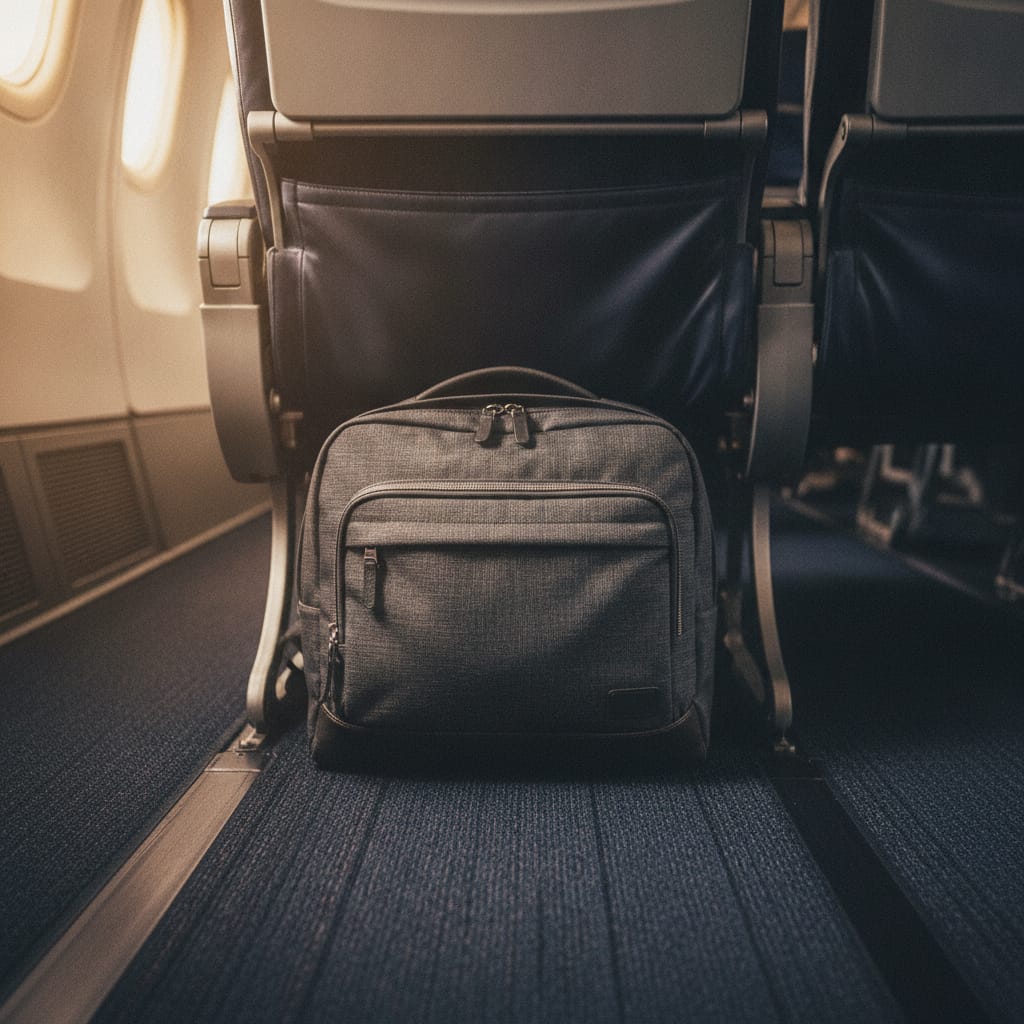
Comparison table: allowed dimensions and weights (checked September 2026)
So you don't mix up the different airlines, we've gathered the exact, official dimensions of the three most popular low-cost airlines. Note that the dimensions include wheels, handles and protruding pockets:
| Airline | Free personal item (under the seat) | Carry-on or cabin bag (paid or Priority) | Maximum weight allowed |
|---|---|---|---|
| Ryanair | 40 x 20 x 25 cm | 55 x 40 x 20 cm | Up to 10 kg for the carry-on |
| Wizz Air | 40 x 30 x 20 cm | 55 x 40 x 23 cm | Up to 10 kg (for both types) |
| EasyJet | 45 x 36 x 20 cm | 56 x 45 x 25 cm | Up to 15 kg (especially generous!) |
How to pack smart in a small backpack: the art of minimalist packing
A 3 to 5 day trip in Europe can definitely fit entirely into a small backpack that meets the definition of a free personal item, if you know how to pack it properly. Here are some winning tips we've developed over the years at Camel Mountain:
1. The rolling method instead of folding
Instead of folding shirts and trousers the traditional way, roll them into tight rolls. This method not only prevents creases in your clothes, it also saves up to 30% of the volume in the bag and lets you use dead corners in the main compartment.
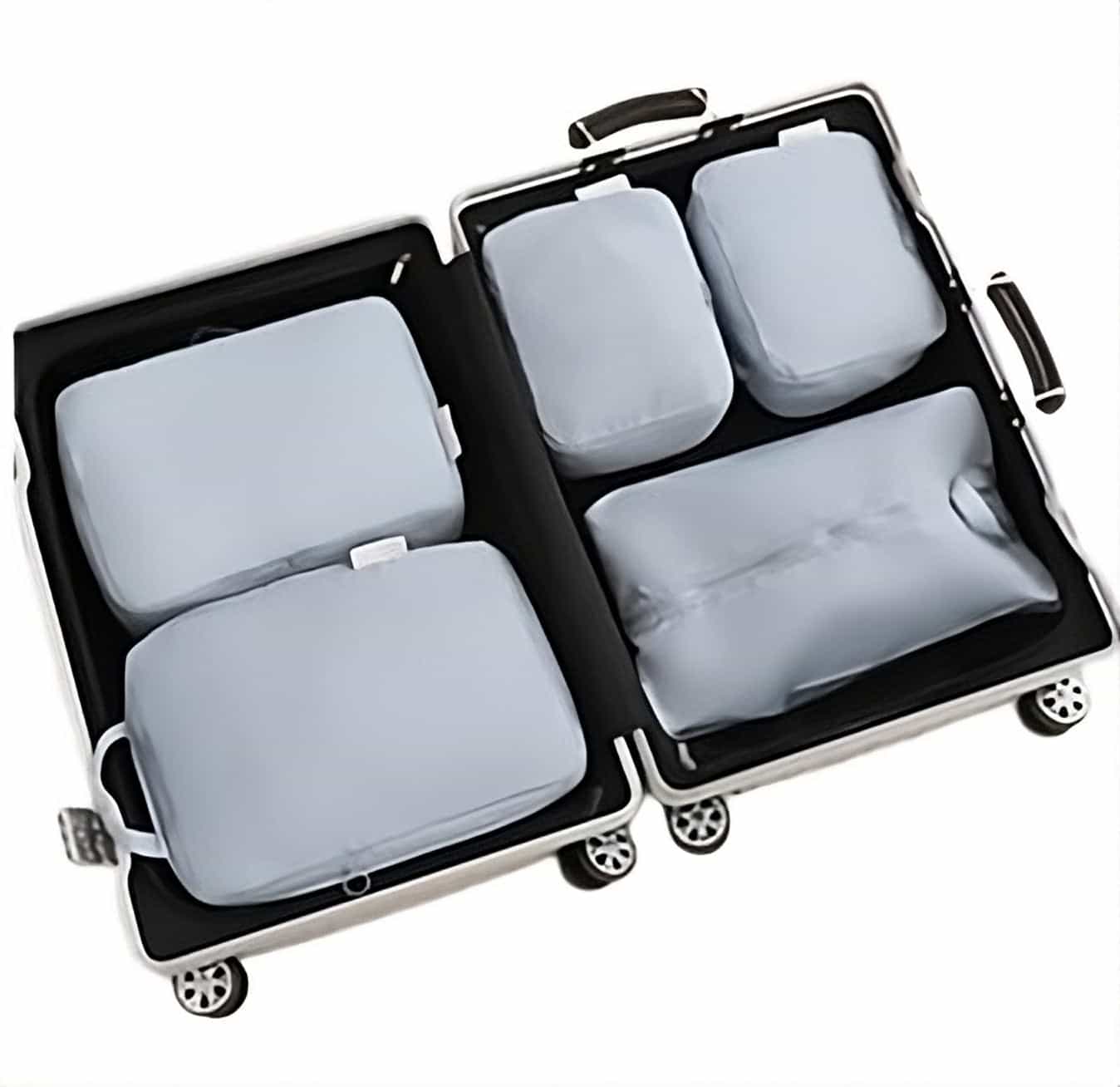
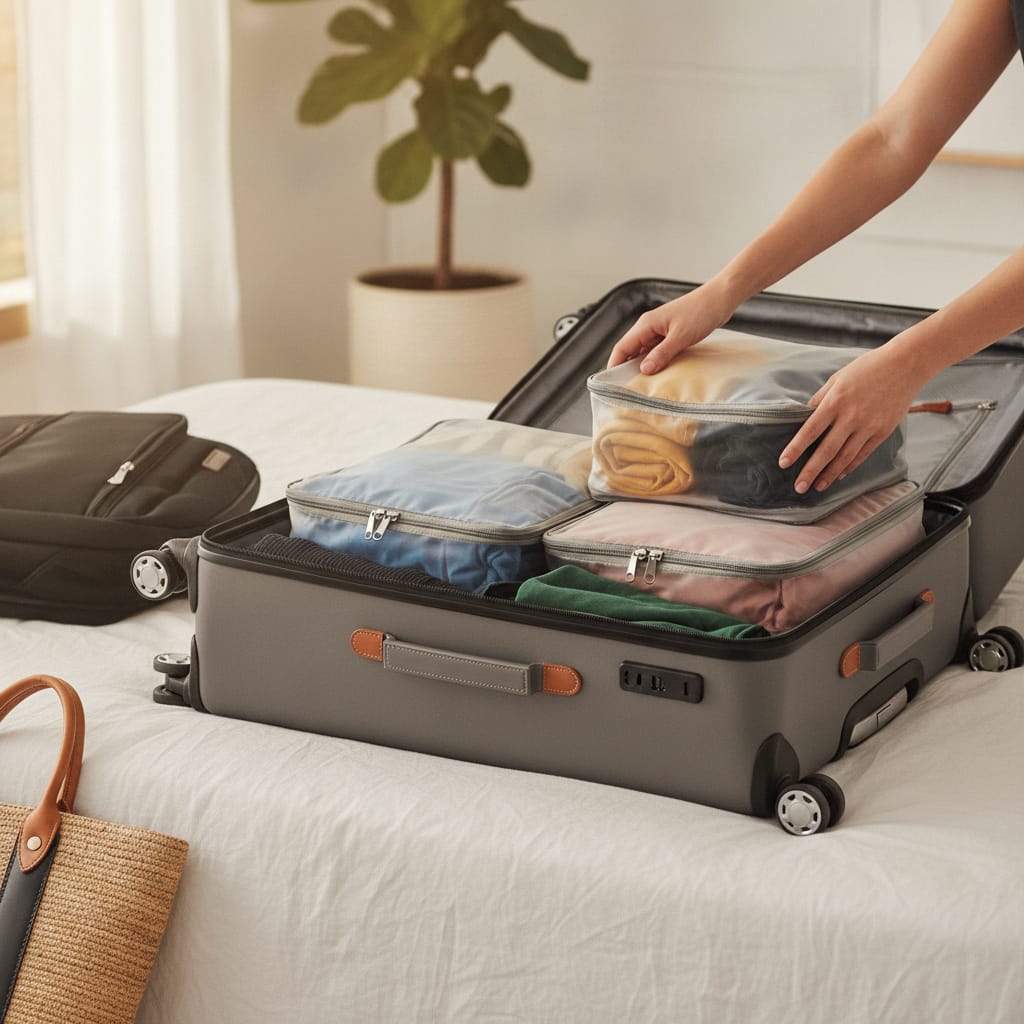
2. Use packing cubes
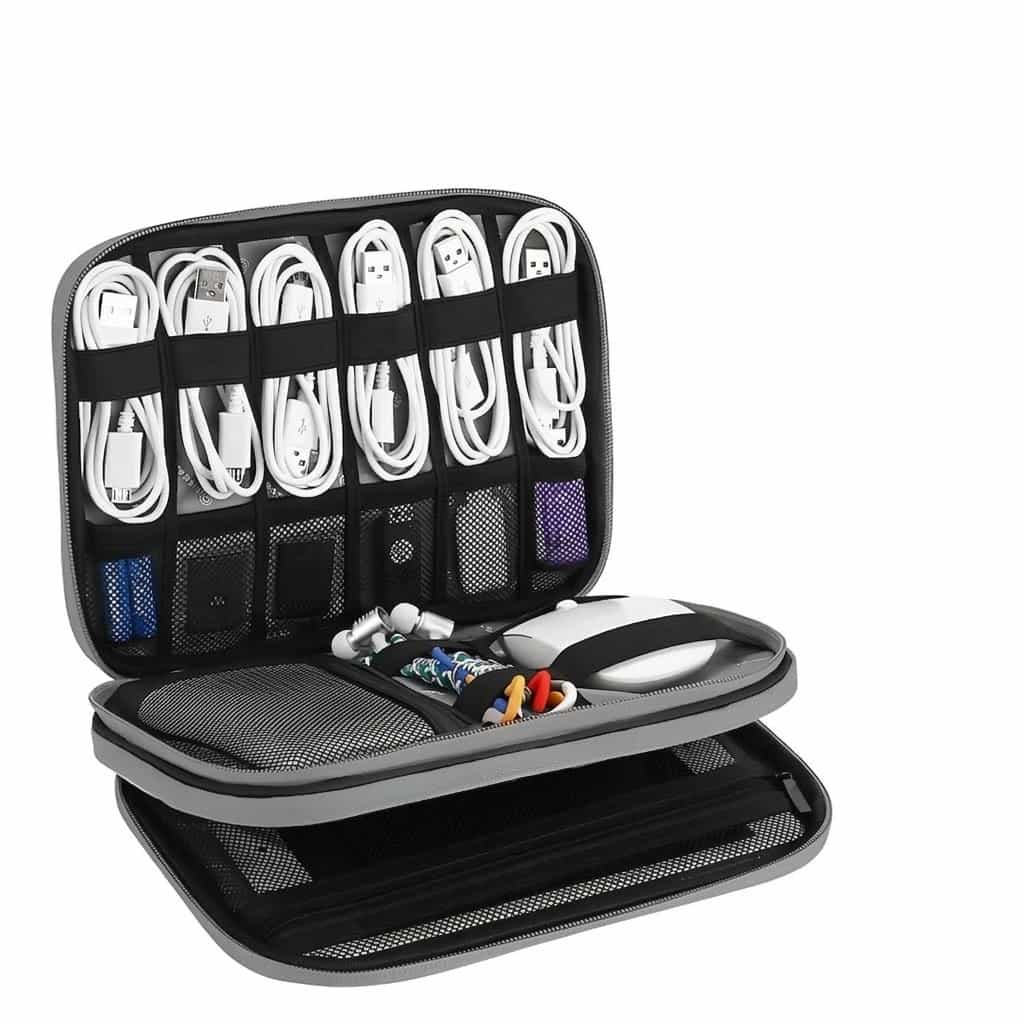
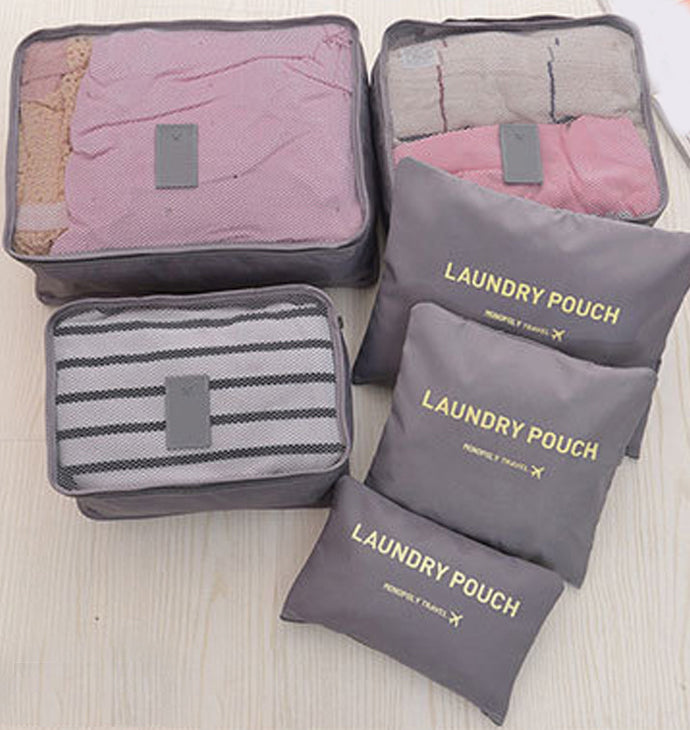
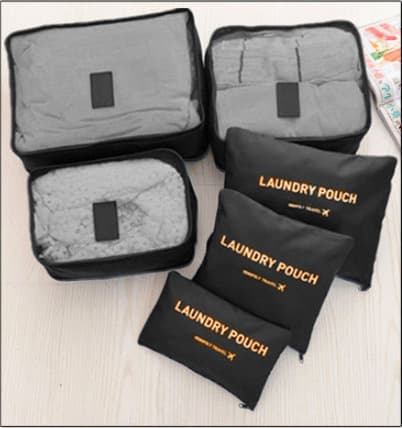
Packing cubes are the big secret of frequent flyers. They let you divide the bag into categories (underwear, shirts, toiletries) and compress the clothes optimally. When you get to the hotel, you simply take out the cubes and put them in the closet, with no mess.
3. The layering rule for the flight
Don't pack heavy, bulky items like coats, jeans, heavy walking shoes or warm sweatshirts in the bag. Wear them during the flight. It's always cool on the plane, and if needed you can take off your coat and lay it over yourself or put it in the overhead bin after boarding.
How to avoid fees at the boarding gate
Reached the gate and your heart starts pounding? Here are a few things worth knowing to get through boarding smoothly and safely:
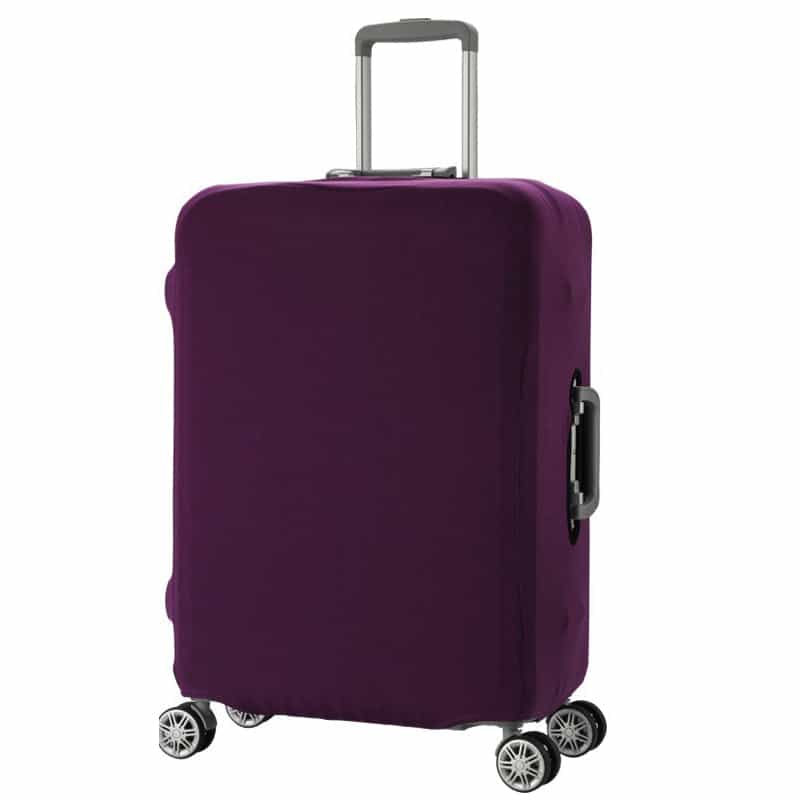
First, prefer soft backpacks over hard suitcases when you fly with a free personal item. A backpack made of canvas or quality nylon is flexible. If it's a little too full, you can still squeeze and press it into the metal sizing frame at the airport if you're asked to. A hard suitcase, on the other hand, won't shrink by even a millimeter, and if its wheel sticks out, you'll have to pay a fee that can reach 50 to 80 euros at the gate.
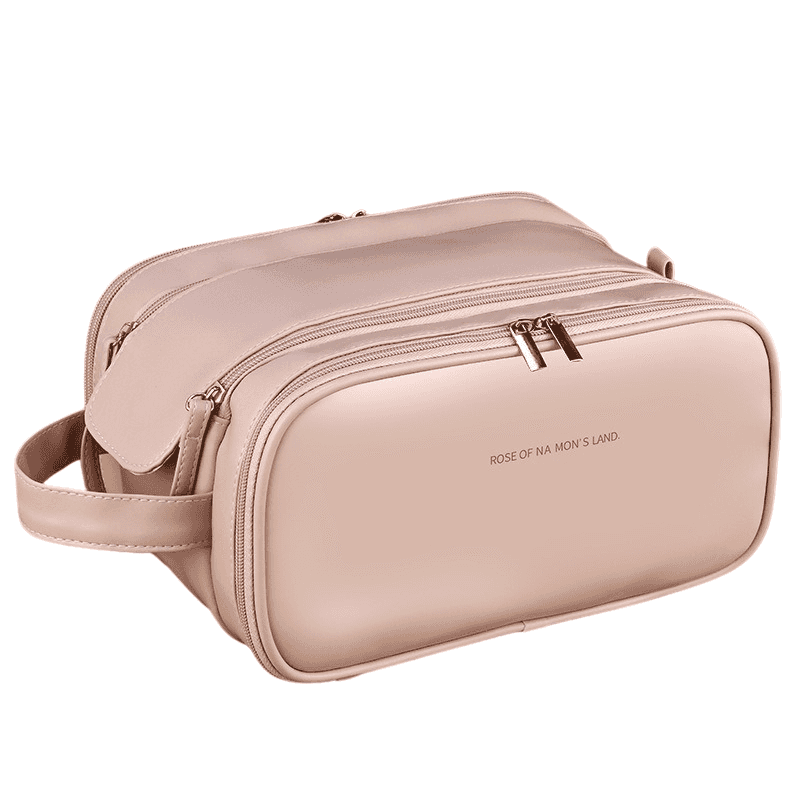
Second, watch out for small accessories. A professional camera, a large pouch or duty-free bags may count as an extra second item on some airlines (especially Ryanair). Make sure to leave room in your main backpack so you can put the pouch or your duty-free purchases inside it at boarding, avoiding unnecessary charges.
In short, proper planning and choosing gear that matches the official dimensions will give you a calm flight, significant savings and a fast, light travel experience, just as the br7news article rightly emphasized.
Based on a report: A small carry-on for the cabin: the guide for low-cost passengers who want to skip the queue, br7news
Products to help you on your way

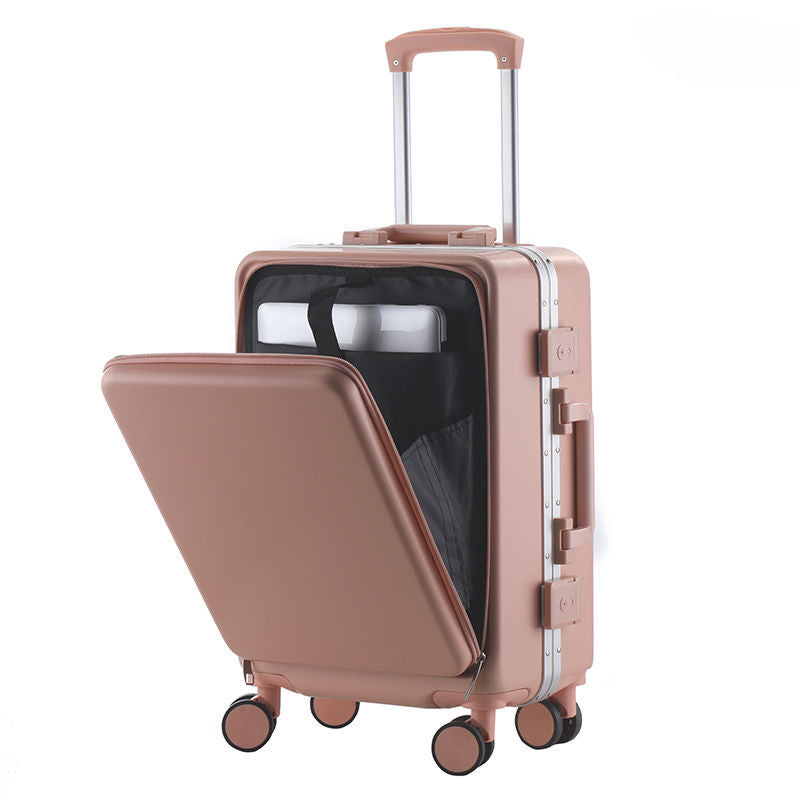
Products in this guide
Frequently asked questions
Can I bring both a backpack and a small crossbody bag for free on low-cost flights?
No, the most basic ticket on airlines like Ryanair, Wizz Air and EasyJet includes only one item (a personal item). If you want to bring both a backpack and a crossbody bag or a carry-on suitcase, you'll need to upgrade to a Priority ticket or buy extra baggage in advance.
What happens if my bag is a few centimeters too big for the sizing frame at the airport?
If it's a flexible backpack that isn't too full, you can usually squeeze it into the metal frame (sizer) and the staff will accept it. However, if the bag is rigid or clearly sticks out, the airline's gate staff will charge you a very high fee (between 40 and 80 euros) and the bag will be sent to the hold.
Which is better for low-cost flights: a hard carry-on or a large backpack?
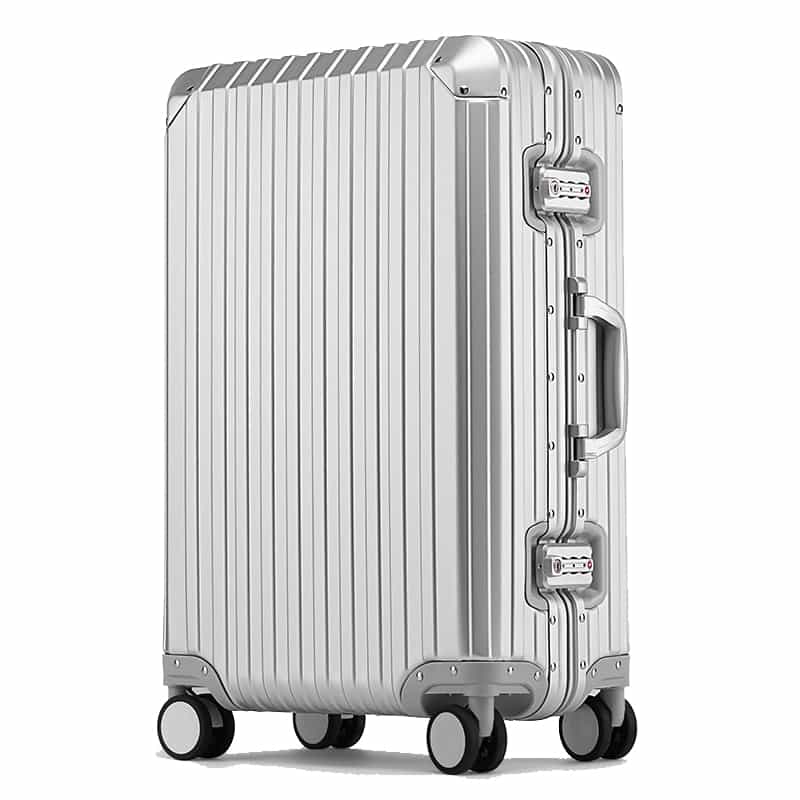
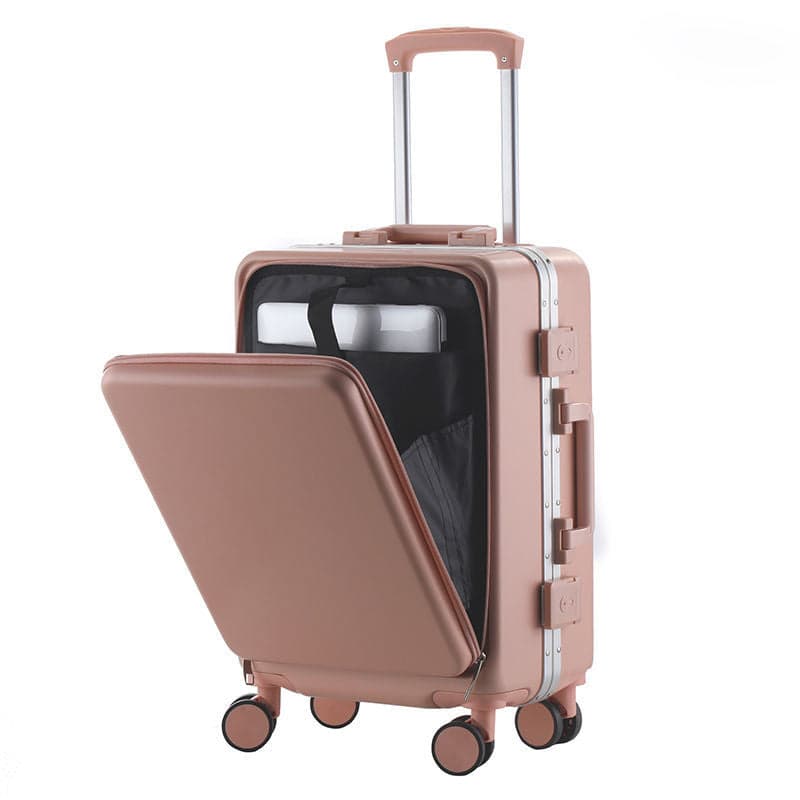
For short trips where you want to save the cost of Priority, a flexible backpack in the exact dimensions is the best solution because it counts as a free personal item. If you upgrade and buy cabin baggage for the overhead bins, a hard carry-on offers better protection for fragile items and the convenience of rolling on wheels.
Do airlines really weigh small backpacks?
Low-cost airlines rarely weigh small backpacks used as a personal item, unless they look unusually bulging and heavy. Their main focus is the physical dimensions of the bag and whether it actually fits into the sizing frame at the gate.
Do low-cost airlines really measure every bag at the boarding gate?
Not every single passenger is measured, but enforcement has become strict and semi-automatic in recent years. If your bag looks bulging, big or visibly oversized, the cabin crew will ask you to put it into the sizer. It's better to come prepared and not rely on luck.
What is the difference between a regular backpack and a dedicated travel backpack?
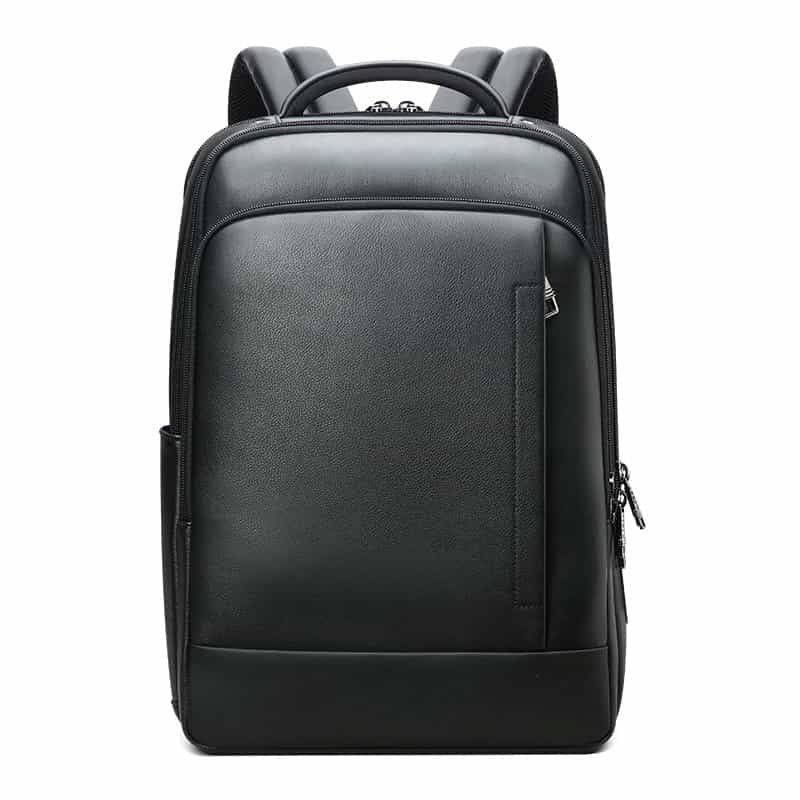
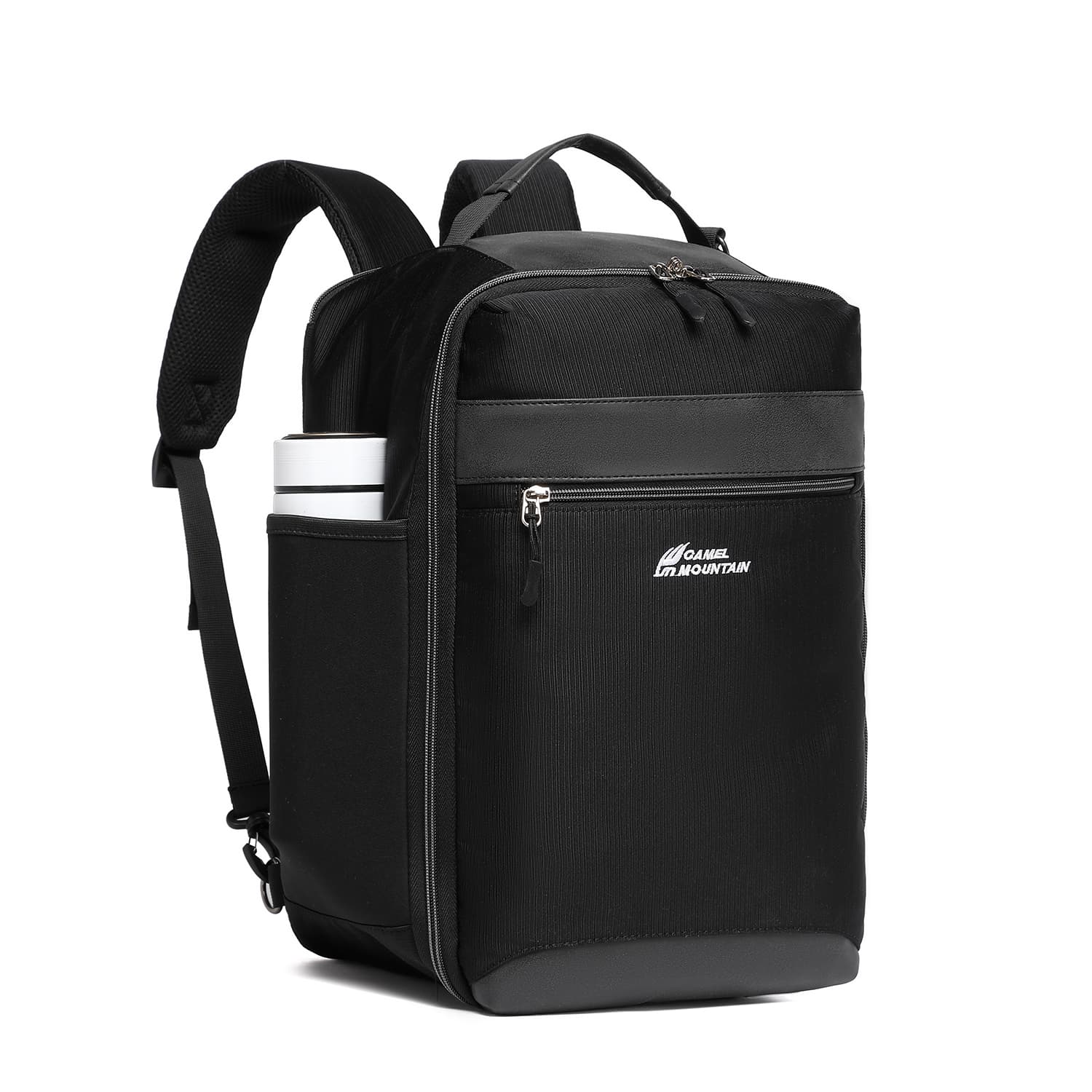
A regular backpack (like a school or hiking bag) usually opens from the top and has an elongated or rigid shape that doesn't match airline dimensions. A dedicated travel backpack is designed exactly to the allowed dimensions (like 40x25x20), opens like a suitcase and has compression straps to make the most of the allowed volume.
Can I bring a pouch or small crossbody bag in addition to the free backpack?
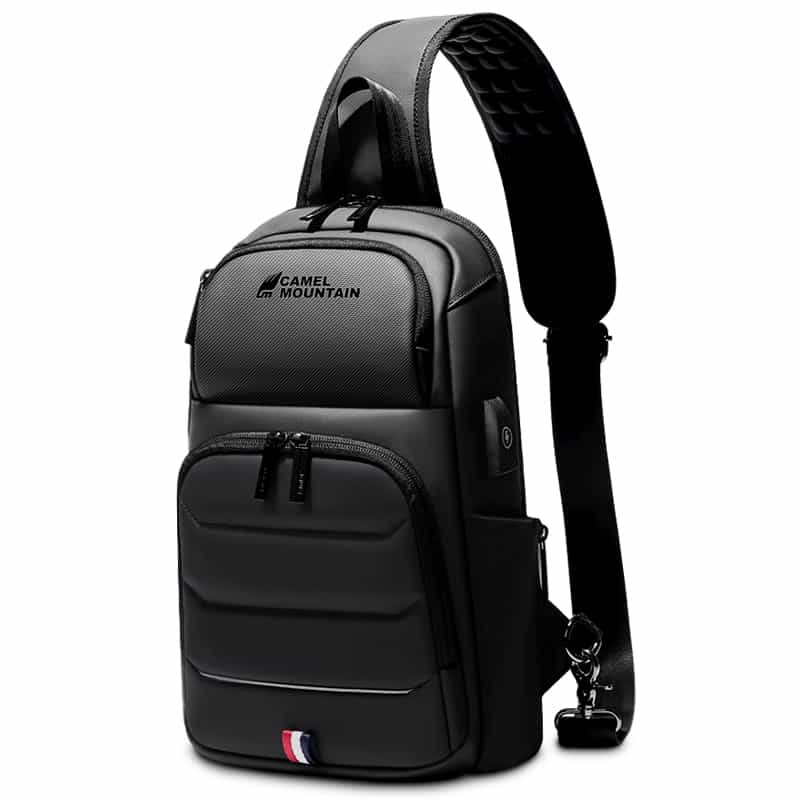
By the strict rules of most low-cost airlines (like Ryanair and Wizz Air), only one free item is allowed. In practice, a small pouch worn close to the body under a coat will usually pass without a problem, but if you're asked, you'll have to put it inside your main backpack before boarding.
How do packing cubes help you meet airline size requirements?
Packing cubes organize the contents and stop clothes from spreading out and bulging inside the bag. They keep the bag's flat, rectangular shape, which makes it much easier to fit into the sizing frame at the airport if you're asked to.


