


Luggage Chaos on Flights to Uman: How to Make Sure Your Gear Isn't Left Behind
October 23, 2026

To avoid losing baggage on crowded flights, the safest way is to fly with a cabin-size trolley and backpack only. In addition, equip yourself with a sturdy ID tag and a tracking device such as an AirTag or SmartTag inside the suitcase, and photograph it before handing it over, to make it easier to find if it is lost.
The lesson from Uman: why do our suitcases get left behind?
Recent reports on the news site Emess MS revealed unusual travel chaos on flights to Uman, when hundreds of passengers' suitcases were left behind at Ben Gurion Airport and never reached their destination. Peak loads, tight schedules and strict weight limits on small or overloaded planes lead airlines, time after time, to hard operational decisions: taking off without a large part of the passengers' baggage. This situation isn't unique to flights to Uman; it happens in peak seasons, on holidays and on tight connecting flights all over the world.
When a plane reaches its safe weight limit, or when ground crews can't keep up with loading the suitcases in narrow time windows, your baggage is the first to pay the price. For the traveler, that means landing in the destination country without basic gear, a change of clothes, religious items or valuable personal belongings. So you don't find yourself in that situation, it is time to change your travel habits and move to smart, proactive baggage management.
Switching to smart low-cost travel: why a trolley and a backpack are your best friends
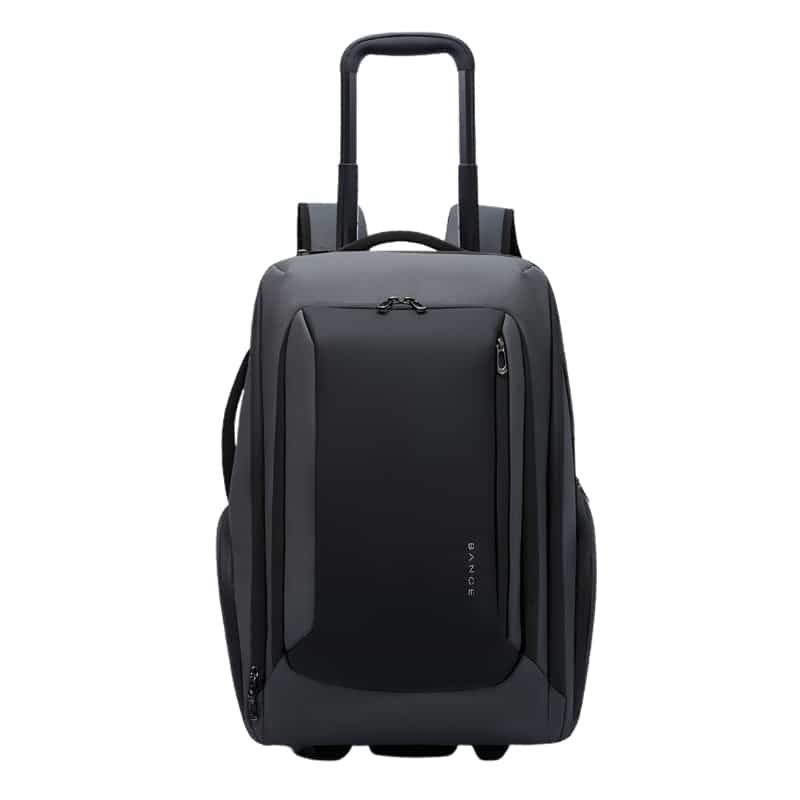
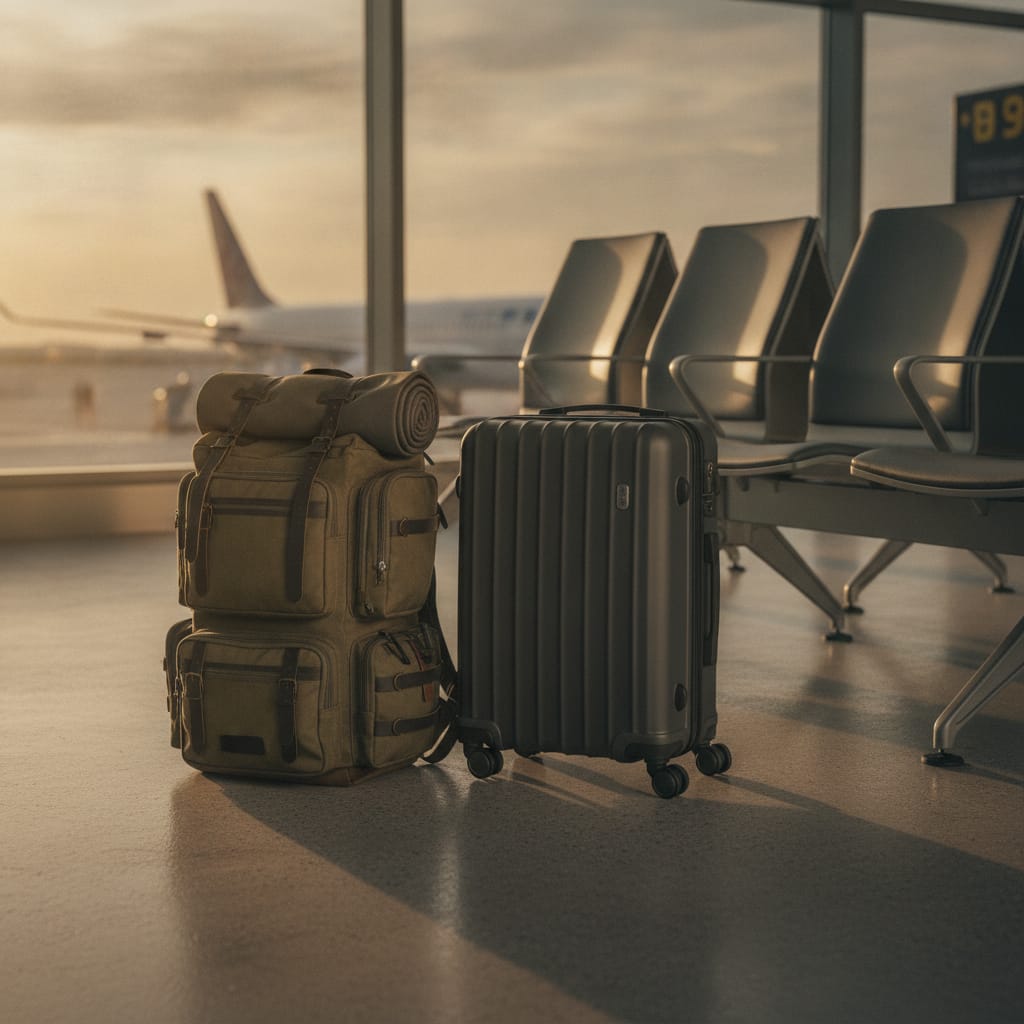
The best way to make sure your suitcase arrives with you is simply not to part with it. Flying with carry-on baggage only, made up of a cabin-size trolley and a small backpack, saves you the tedious check-in line and the nerve-racking wait at the baggage carousel, and above all: it completely eliminates the risk of your gear being left behind or sent to another destination.
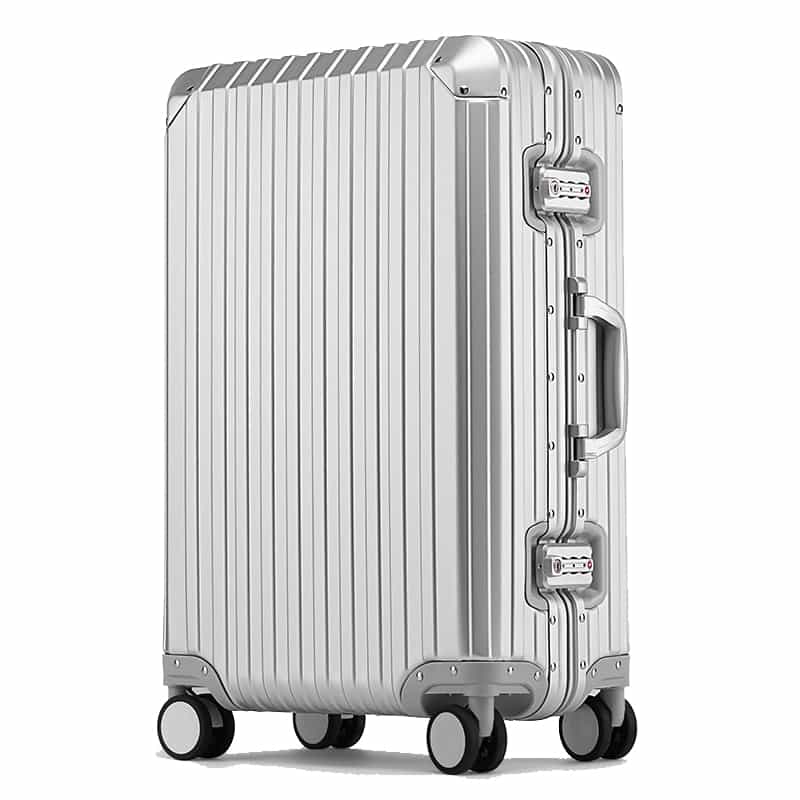
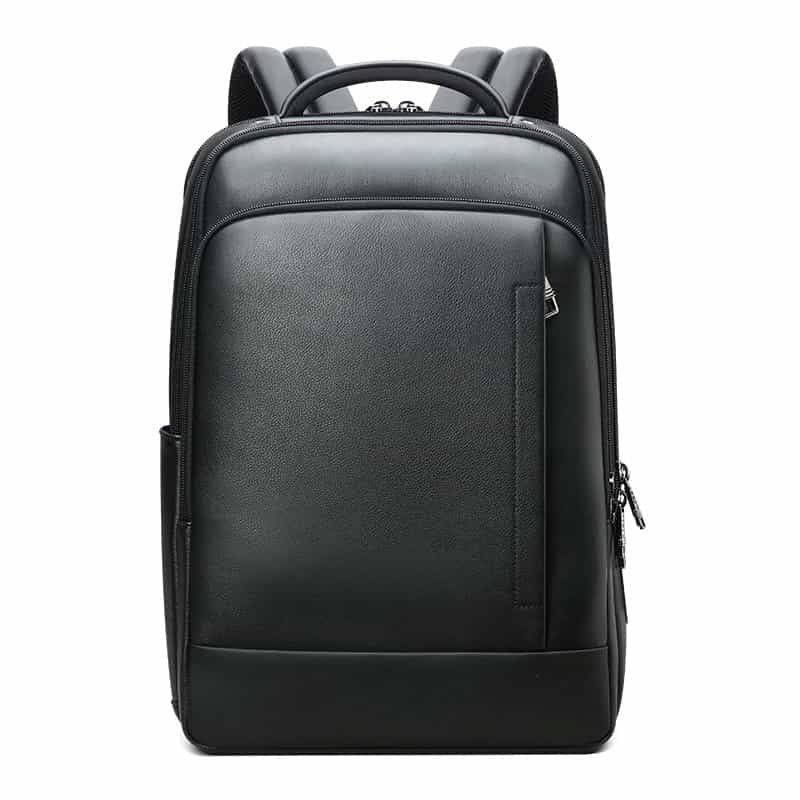
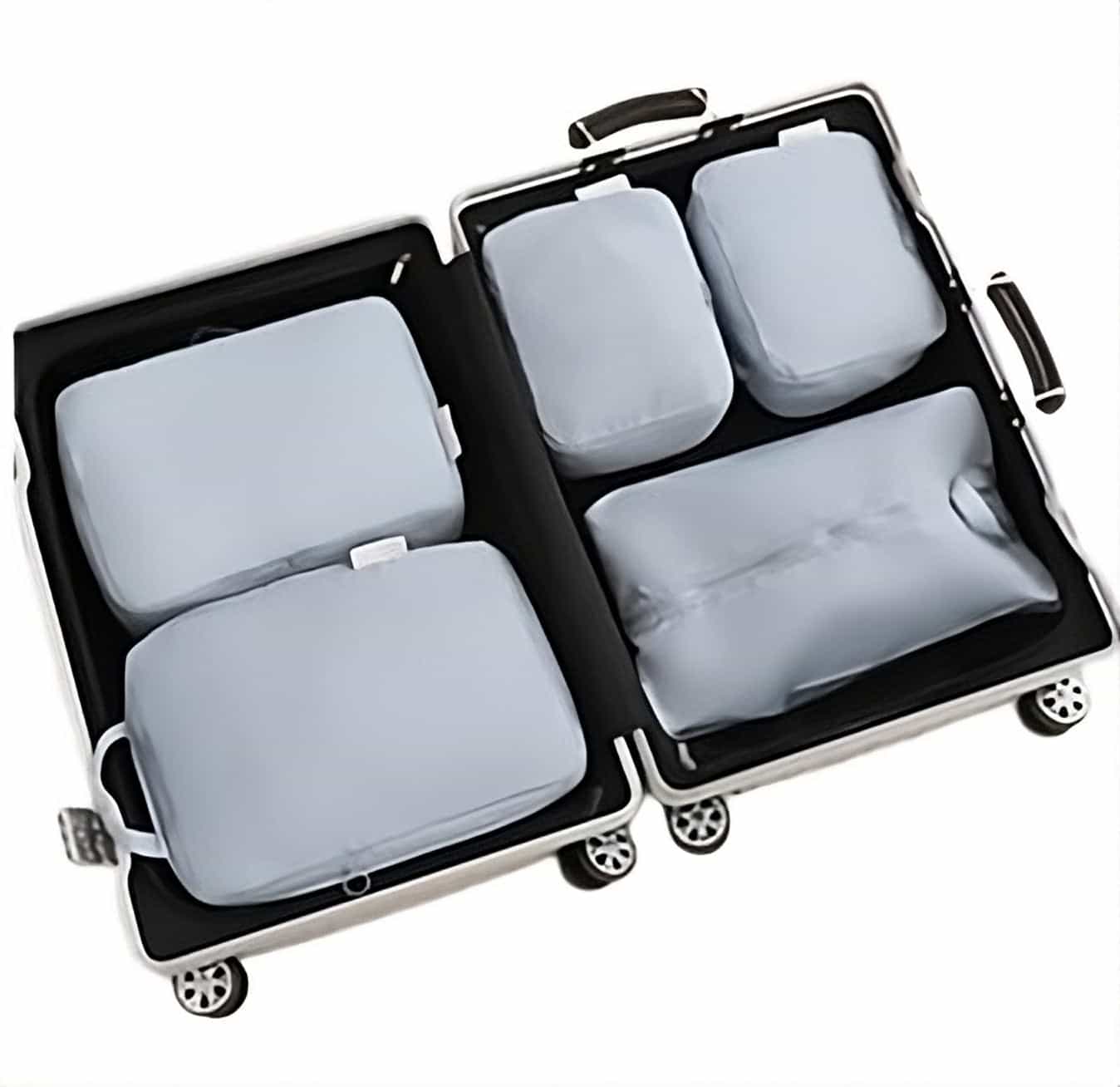
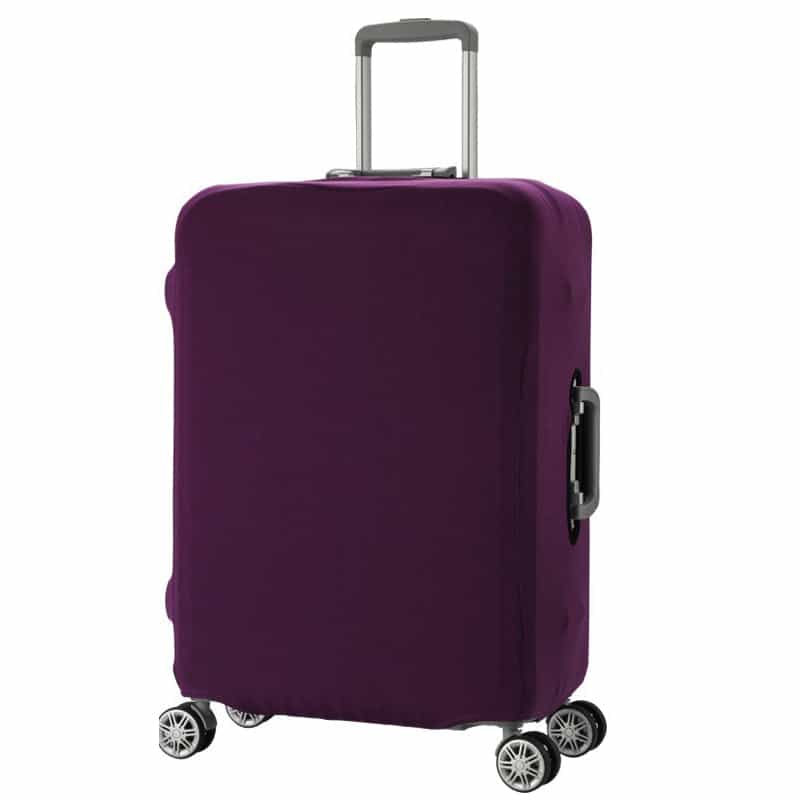
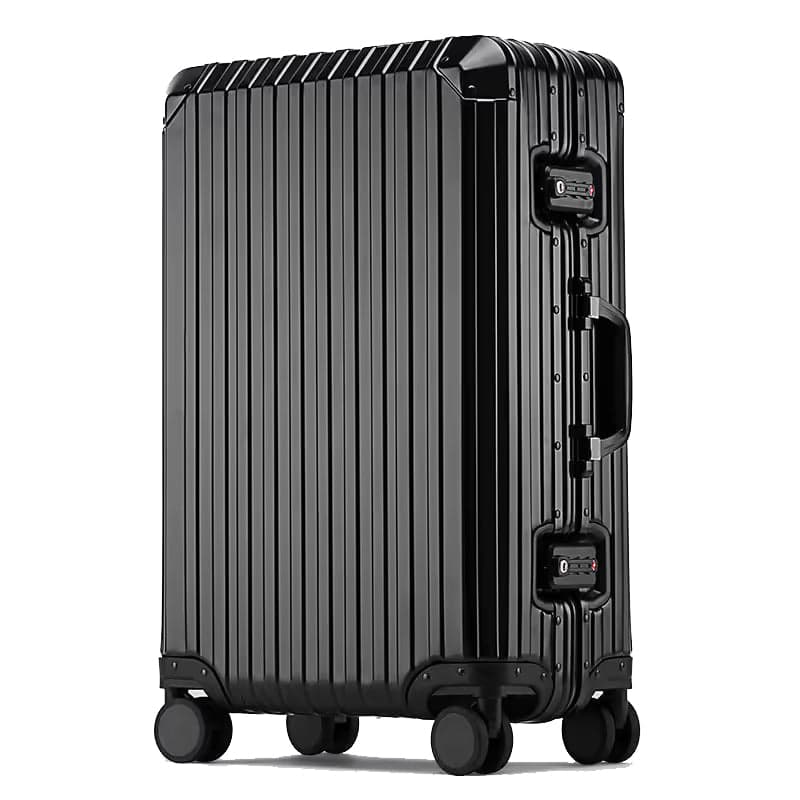
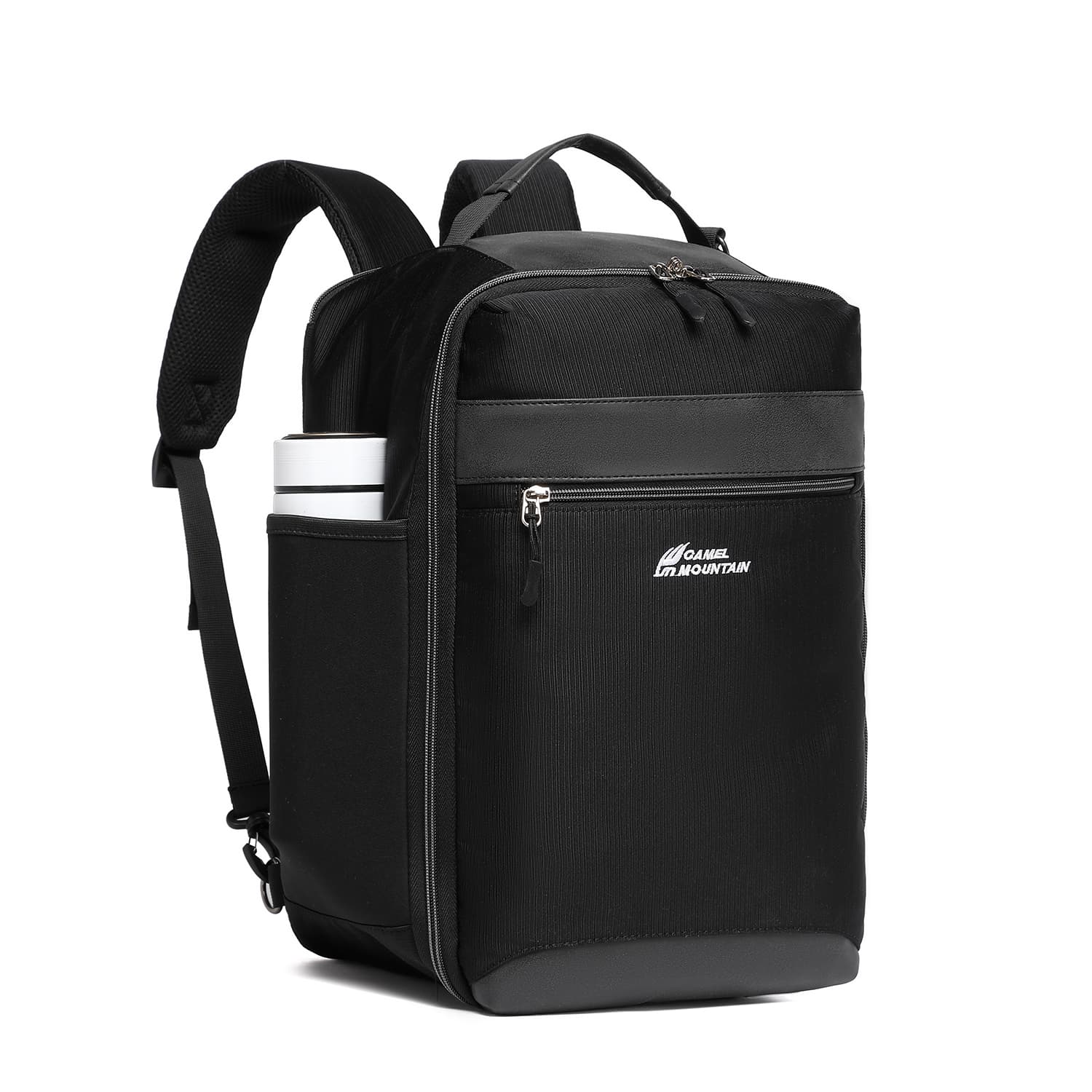
Many travelers worry that a trolley won't have enough space, but with the right packing techniques (such as rolling clothes and using packing cubes) you can pack a full week's gear into a 20 inch suitcase and an ergonomic backpack. The backpack counts as a "personal item" and goes under the seat in front of you, while the trolley is stored in the overhead bin. To make sense of the different airlines' requirements, we have gathered the common dimensions and weights:
| Type of baggage | Recommended dimensions (cm) | Typical allowed weight | Main advantage when things are busy |
|---|---|---|---|
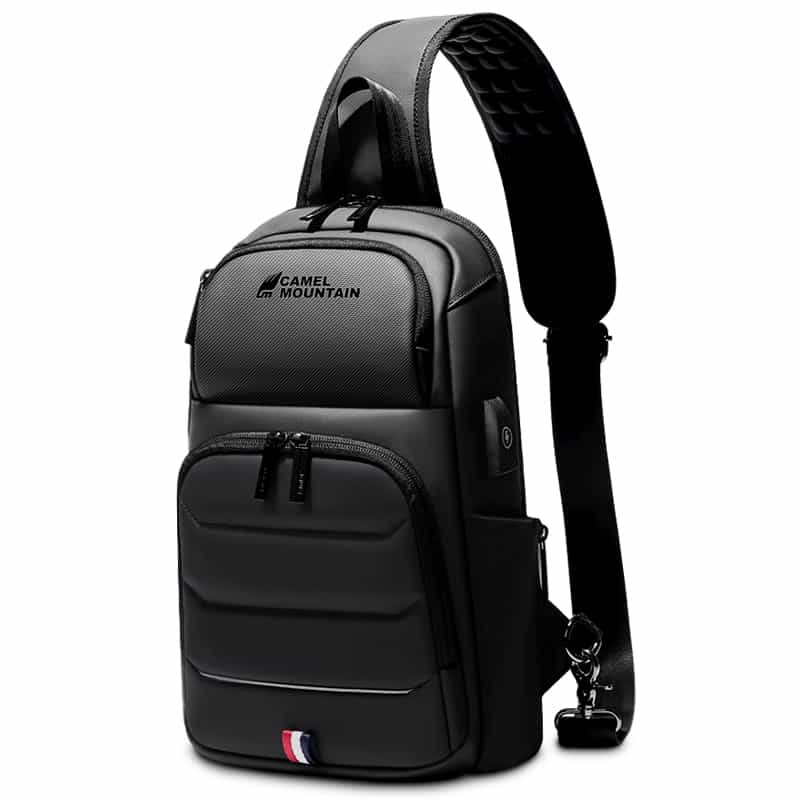
| Personal backpack (underseat) | 40x25x20 | Up to 8 to 10 kg | Stays with you under the seat, always accessible and free on most airlines. |
| Cabin trolley (20 inch) | 55x40x20 | 8 to 12 kg | Lets you skip checking a big suitcase, preventing lost baggage 100%. |
| Large suitcase (hold) | Varies (24 to 28 inch) | 20 to 23 kg | Large volume, but exposed to handling delays, loss and chaos at busy airports. |
Technology for travelers: how to track a lost suitcase in real time
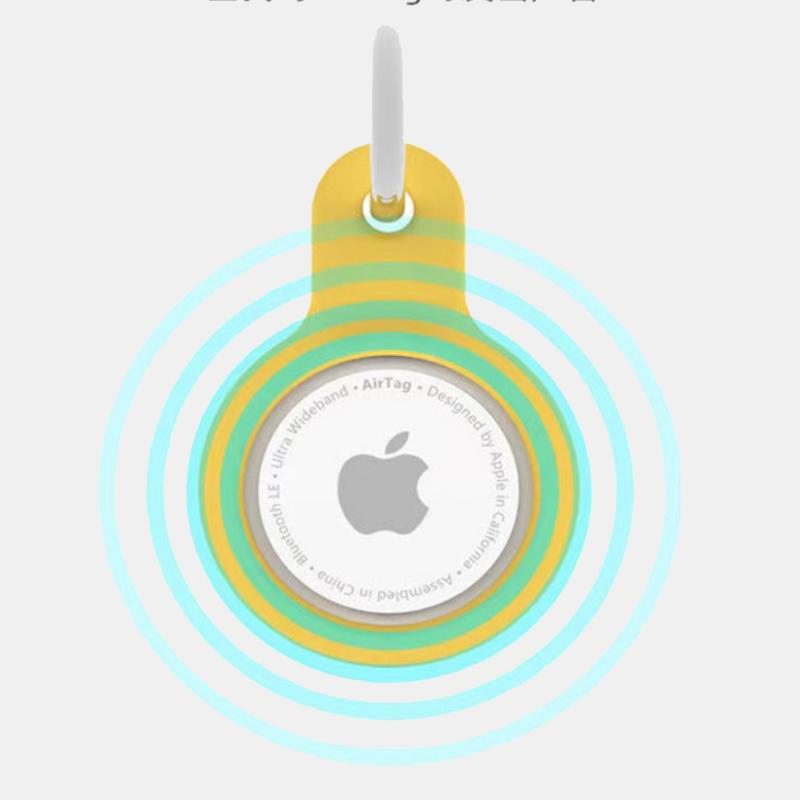
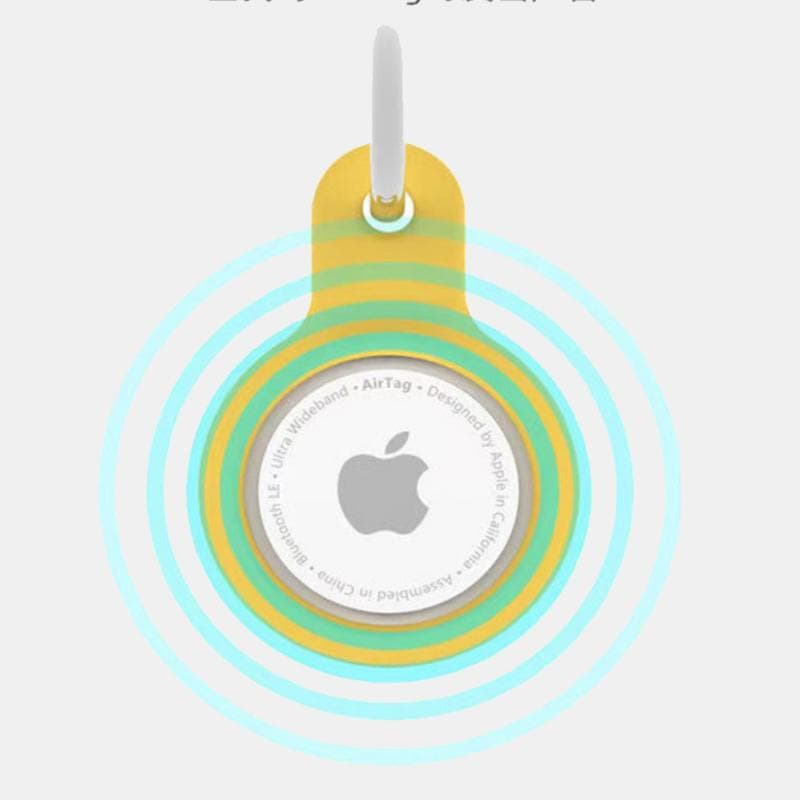
If you must check a big suitcase, don't do it "blind". Recent years have brought a tech revolution in the form of tiny trackers (such as the Apple AirTag or Samsung SmartTag). These small devices are based on Bluetooth and UWB technology and use the global device network to send you your suitcase's exact location straight to your phone.
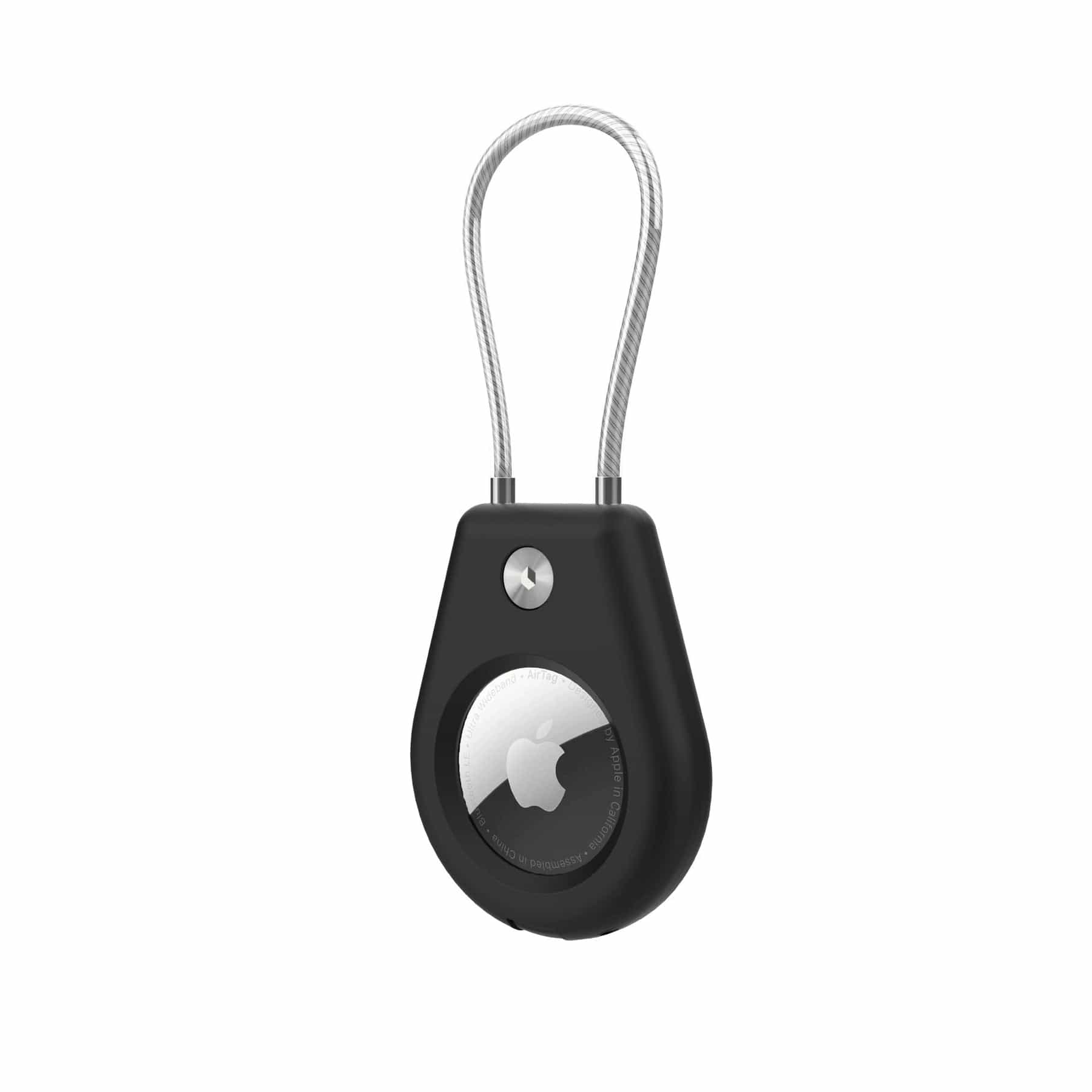
When you place a tracker in a dedicated inner compartment of the suitcase or in a sturdy silicone holder attached to it, you can know even before takeoff whether the suitcase actually boarded with you or stayed behind in the terminal. If it is lost, this information is critical: instead of waiting hours for the airline's service agents, you can show them your suitcase's exact location (for example, "it's still at the departure airport, gate B3") and dramatically speed up its return.
Essential prevention steps: what to do if you did check a suitcase
Besides using trackers, there are a few simple but critical steps that can save your trip if your suitcase doesn't show up on the carousel at your destination:
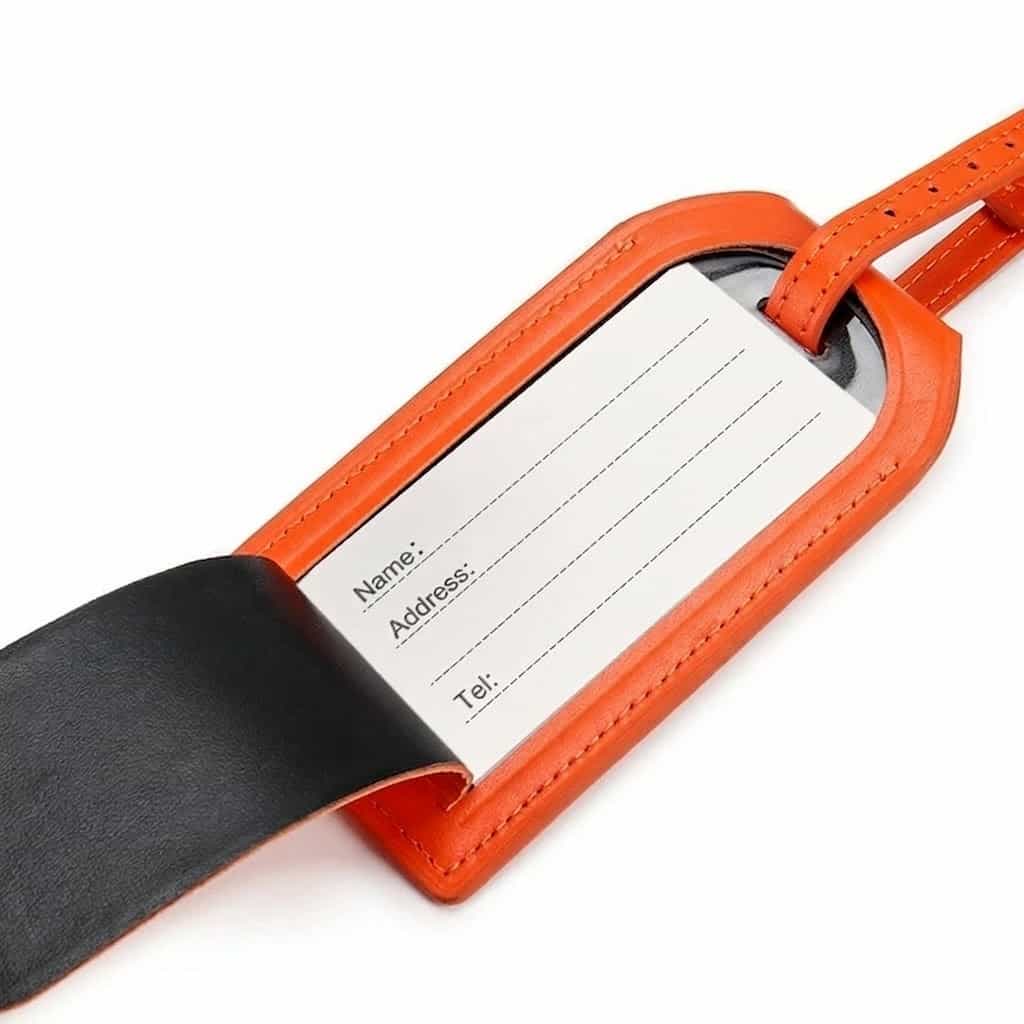
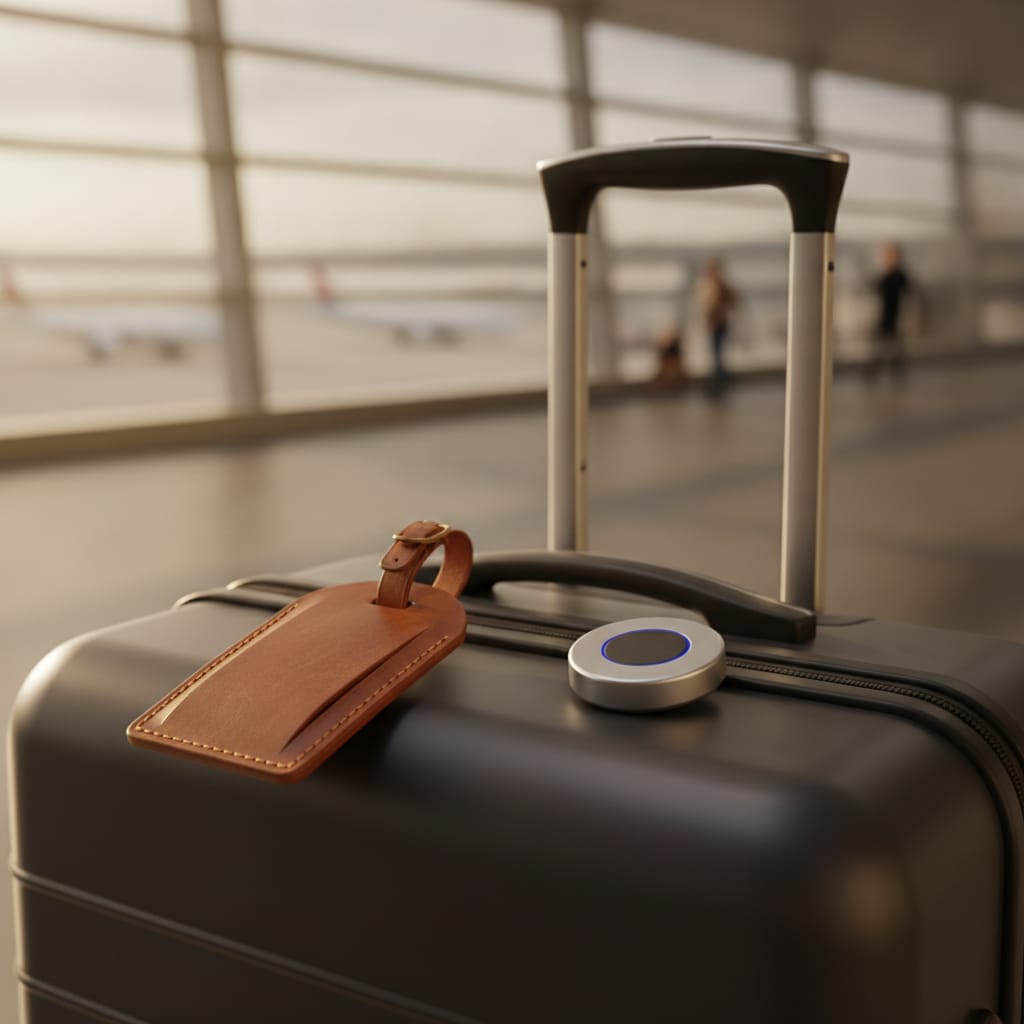
- A sturdy external ID tag: make sure a quality, durable ID tag hangs on the suitcase showing your name, your phone number (including the international dialing code) and an email address. For safety reasons, don't write your home address.
- Photograph the suitcase and the tag: before handing the suitcase over at check-in, photograph it from every angle and also photograph the barcode sticker the airline attaches to your boarding pass. If the suitcase is lost, a picture is worth a thousand words to the tracing team.
- Remove old stickers: barcode stickers from previous flights can confuse the automatic scanners in airport sorting systems and cause the suitcase to be misrouted. Make a point of peeling them off before every trip.
- The risk-sharing rule: if you travel as a couple or a family, don't pack all of one person's clothes in one suitcase. Split everyone's clothes and gear across all the suitcases. That way, even if one suitcase is lost, nobody runs out of clothes completely.
As a family business, we have accompanied travelers all over the world since 1975, and since 2006 as the Camel Mountain brand. Our experience shows that smart travel starts with good planning and reliable gear. Choosing a quality ergonomic backpack or a sturdy hard-shell trolley, together with smart use of tracking technology, is the difference between a dream vacation or a successful spiritual journey and disappointment and needless chaos at the airport.
Based on a report: Total chaos on flights to Uman: hundreds of suitcases left behind in Israel, Emess MS
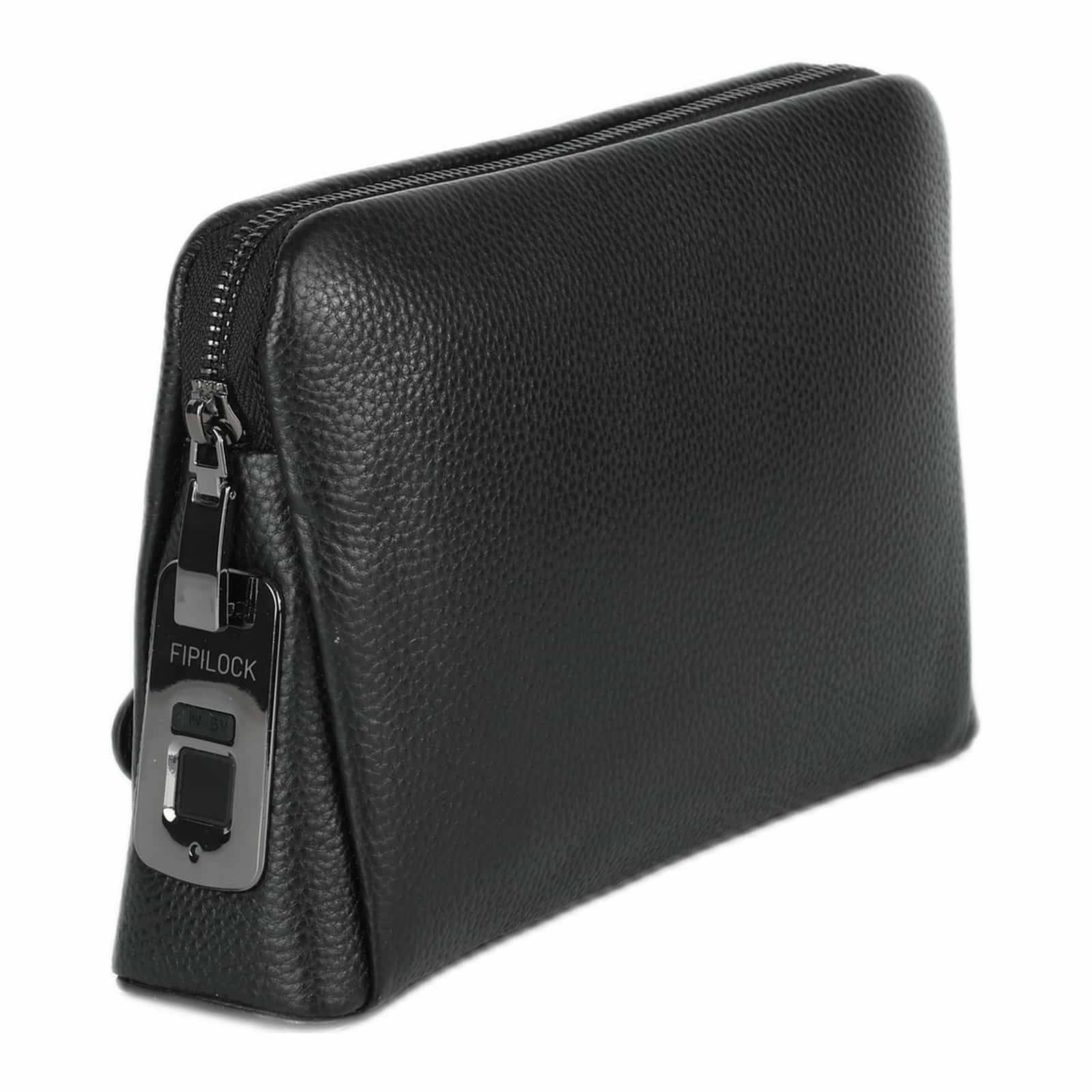
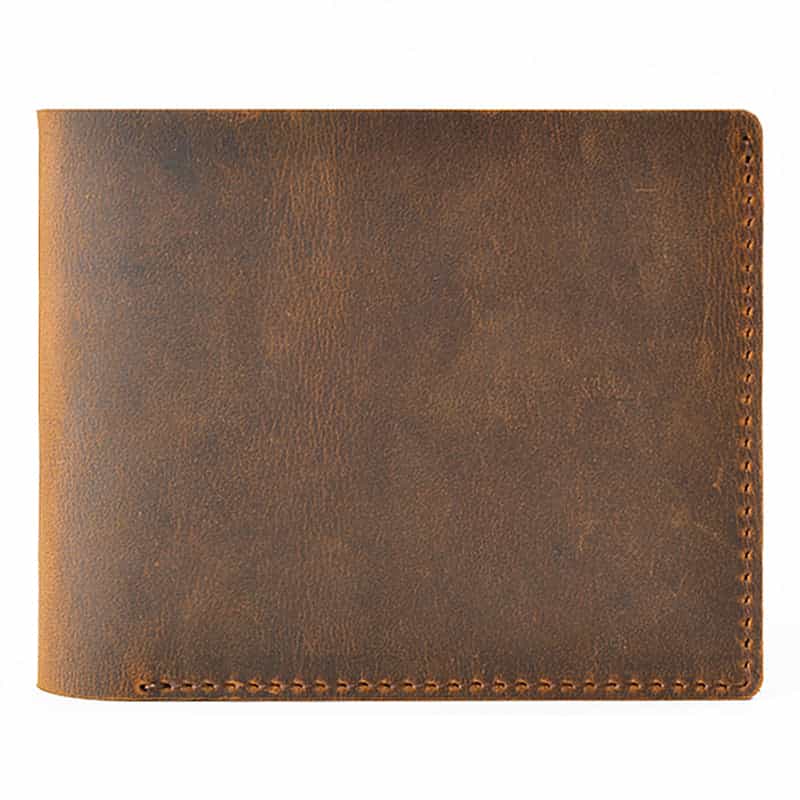
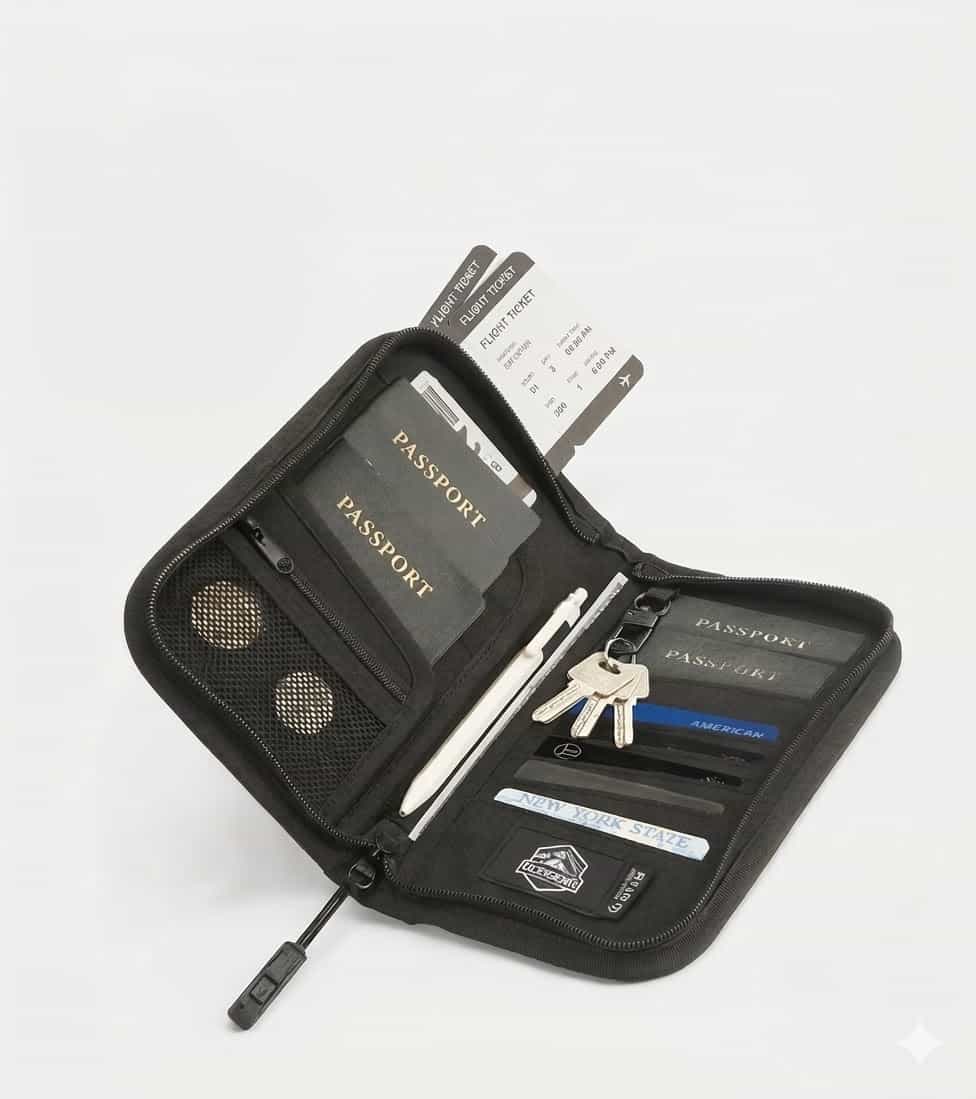
Products to help you on the way


Products in this guide
Frequently asked questions
Do airlines compensate for a lost or delayed suitcase?
Yes. Under the Montreal Convention, airlines must compensate passengers for lost, damaged or delayed baggage. However, the process is bureaucratic and lengthy, and compensation is capped, so it is always better to prevent the loss in the first place.
How can I make sure my backpack fits low-cost airline rules?
Choose a flexible backpack of up to 20 to 30 liters that can be compressed when needed. Always check the exact dimensions of the airline you are flying with (for example 40x25x20 cm on Ryanair) and measure the bag when it is full.
Can you put power banks in a checked suitcase?
Absolutely not. International safety regulations prohibit lithium batteries in the hold because of the fire risk. You must take power banks and electronic devices with you in the backpack or trolley that goes into the cabin.
Is it allowed to use trackers like the AirTag on flights?
Yes. The world's major aviation authorities (including the FAA and EASA) have officially approved the use of Bluetooth-based trackers inside suitcases. Their transmission power is very low and does not interfere with the aircraft's navigation systems.
What is the first thing to do if your suitcase didn't arrive on the carousel?
Don't leave the arrivals hall. Go straight to the airline's or the airport's baggage service desk and fill in a baggage loss report (PIR, Property Irregularity Report). Keep the copy of the report and the claim number you received.


