
What to Wear on a Plane? The Guide to Comfortable, Smart Flight Clothes
October 23, 2026

To dress right for a flight, use the layering method: a breathable T-shirt, a light top or sweatshirt over it, and stretchy, comfortable pants (such as joggers or soft cargo pants). Wear comfortable walking shoes that slip off easily, and avoid bulky metal accessories that will hold you up at security. This combination makes it easy to cope with temperature changes on the plane and at the airport.
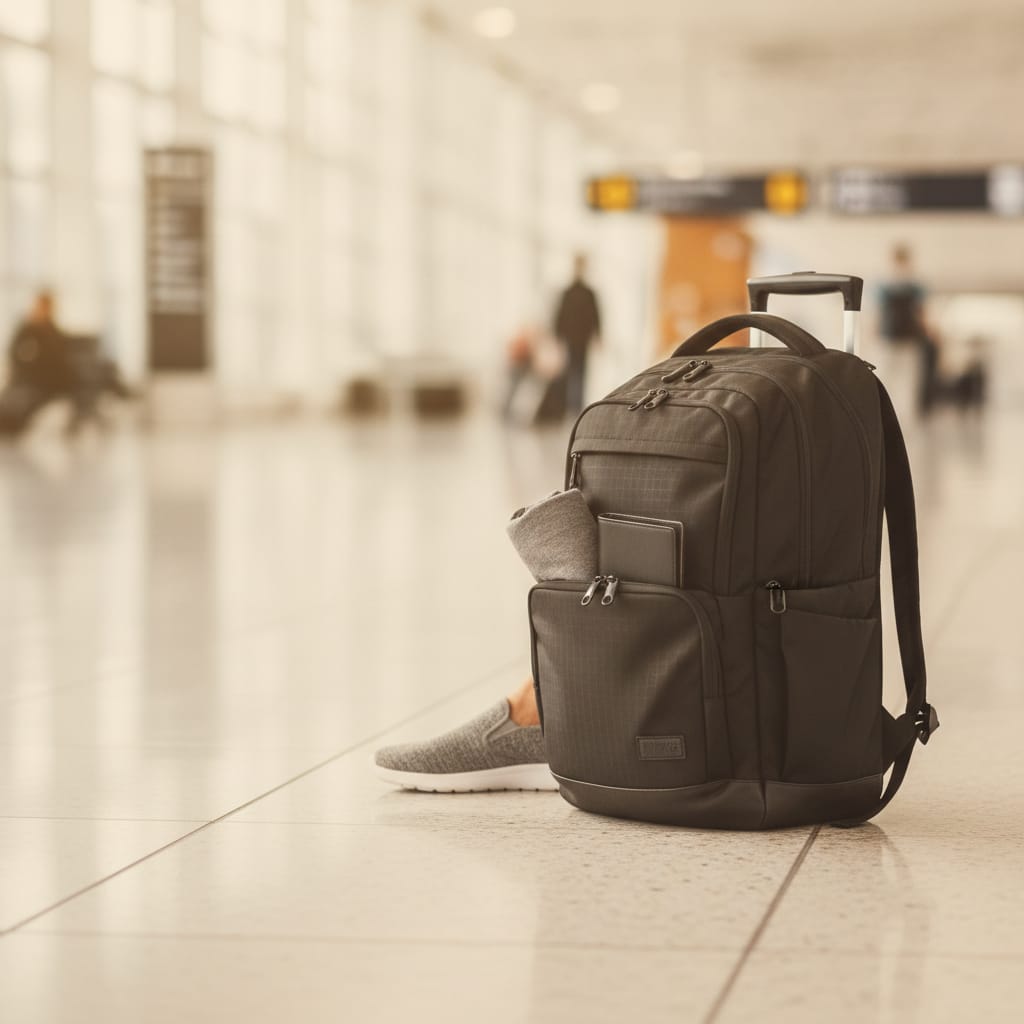
The big challenge: why is it so hard to choose clothes for a flight?
Anyone who has ever flown knows the feeling: you leave home on a scorching summer day, sweat on the way to the airport, but the moment you board the plane, the temperature drops to industrial freezer levels. The combination of the aircraft's powerful air conditioning, sitting for a long time and not moving creates a real clothing challenge.
Beyond temperature, our bodies go through physiological changes during a flight. The cabin pressure causes gases in the body to expand, which leads to a bloated feeling in the stomach. In addition, sitting still for hours slows blood circulation and makes your feet swell. So clothes that are too tight, stiff jeans or shoes that pinch can turn a flight of a few hours into a never-ending nightmare. Our goal is an outfit that is practical, incredibly comfortable, and looks good enough that we don't feel like we just rolled out of bed.
The layering method: the reliable path to maximum comfort
The layering method (or "onion method") is the official dress code of experienced travelers. The idea is simple: wear several thin, light items on top of each other, so you can take layers off or put them on as conditions change, from the heat of the jet bridge to the freezing cold at 30,000 feet.
- The first layer (base): a short-sleeved T-shirt or tank top in a quality, breathable fabric (100% cotton or bamboo). Avoid synthetic fabrics that don't breathe and encourage sweating and unpleasant odors.
- The second layer (insulation): a light top, a zip-up sweatshirt, a cardigan or a button-down shirt in a soft fabric. Choose an item with a zipper or buttons so it's easy to open or take off without getting tangled up in the narrow airplane seat.
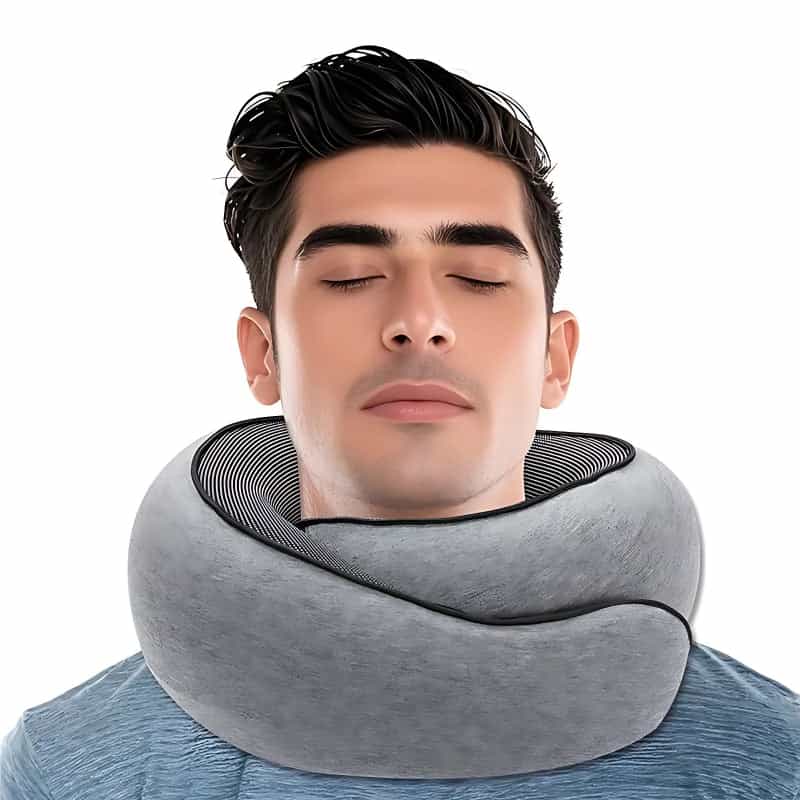
- The third layer (protection): a light jacket, a thin windbreaker or a large pashmina scarf. The scarf is a must for women and men alike: it takes up very little space in your backpack, and can serve as an extra blanket, a neck support pillow or an eye cover when you want to sleep.
The shoe guide: what to wear and what to avoid
Your shoes are probably the most important item in your flight outfit. You'll stand in long lines in them, walk long distances between terminals, and go through security, where you'll often be asked to take them off.
The right choice: comfortable sneakers, slip-on shoes (no laces) or flexible walking shoes. Shoes that come off easily will save you precious time and nerves at security, and let you air out your feet easily during the flight (just please, keep your socks on).
What to avoid: high heels (neither safe nor comfortable), heavy boots with complicated laces, or open sandals and flip-flops. Besides the intense cold on the plane, bare feet at the airport are an open door to dirt and germs, especially when you have to walk barefoot on the floor at security.
Comparing flight outfits: what suits you best?
To help you decide what to wear, we gathered the pros and cons of the most popular flight outfits:
| Outfit style | Pros | Cons | Comfort rating (1-5) |
|---|---|---|---|
| Athleisure (joggers and sweatshirt) | Maximum comfort, full flexibility, warm and cozy. | Looks less polished or elegant. | ⭐⭐⭐⭐⭐ |
| Smart casual (chinos and a thin sweater) | Looks great, ready for meetings or sightseeing straight after landing. | Less flexible than athletic fabric, may wrinkle. | ⭐⭐⭐⭐ |
| Jeans and T-shirt | A classic everyday look that works anywhere. | Stiff jeans may press on your stomach during long sitting. | ⭐⭐⭐ |
| Formal wear (suit or formal dress) | Very polished, suits urgent business trips. | Uncomfortable, restricts movement, wrinkles badly on a plane. | ⭐ |
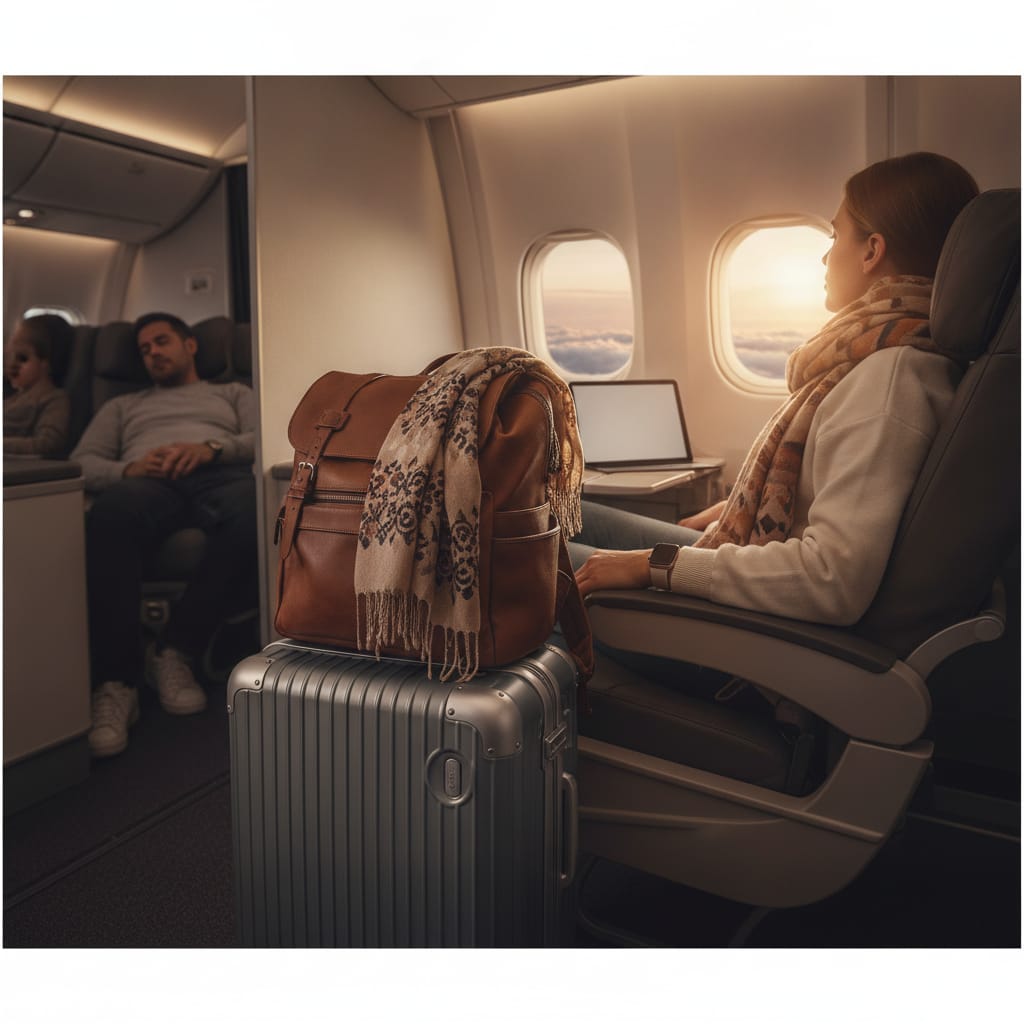
Getting through security like a pro
Your clothes directly affect how fast you get through the tedious security lines. Here are a few golden rules that will keep you from holding up the line and getting stressed:
First, avoid belts with large metal buckles. If you must wear a belt, put it in your backpack before you reach the security conveyor. Second, keep jewelry, watches and metal accessories to a minimum. It's better to pack them safely in an inner compartment of your personal bag and put them on only after you pass into duty free.
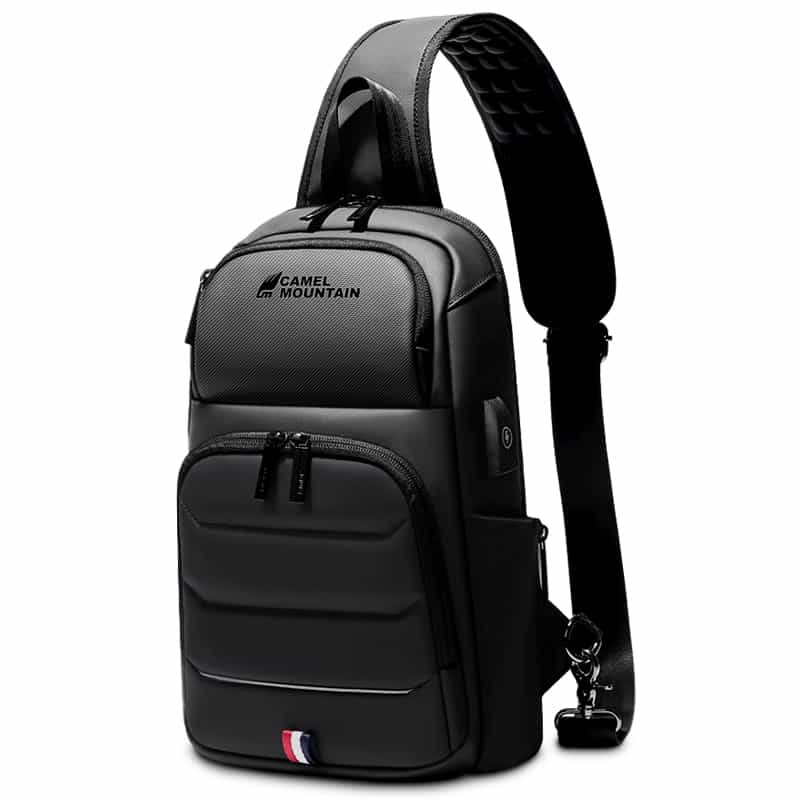
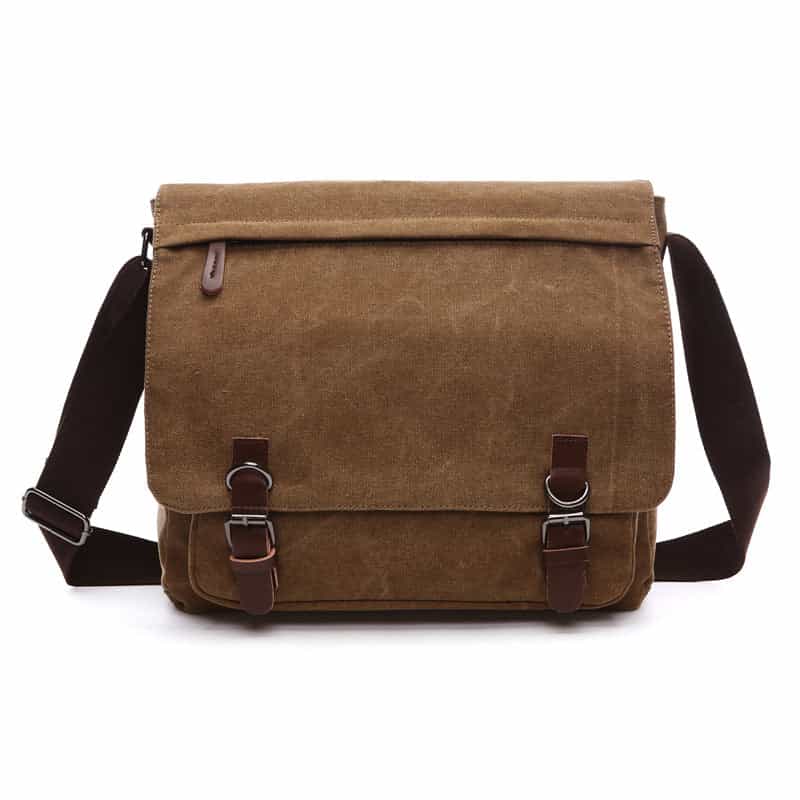
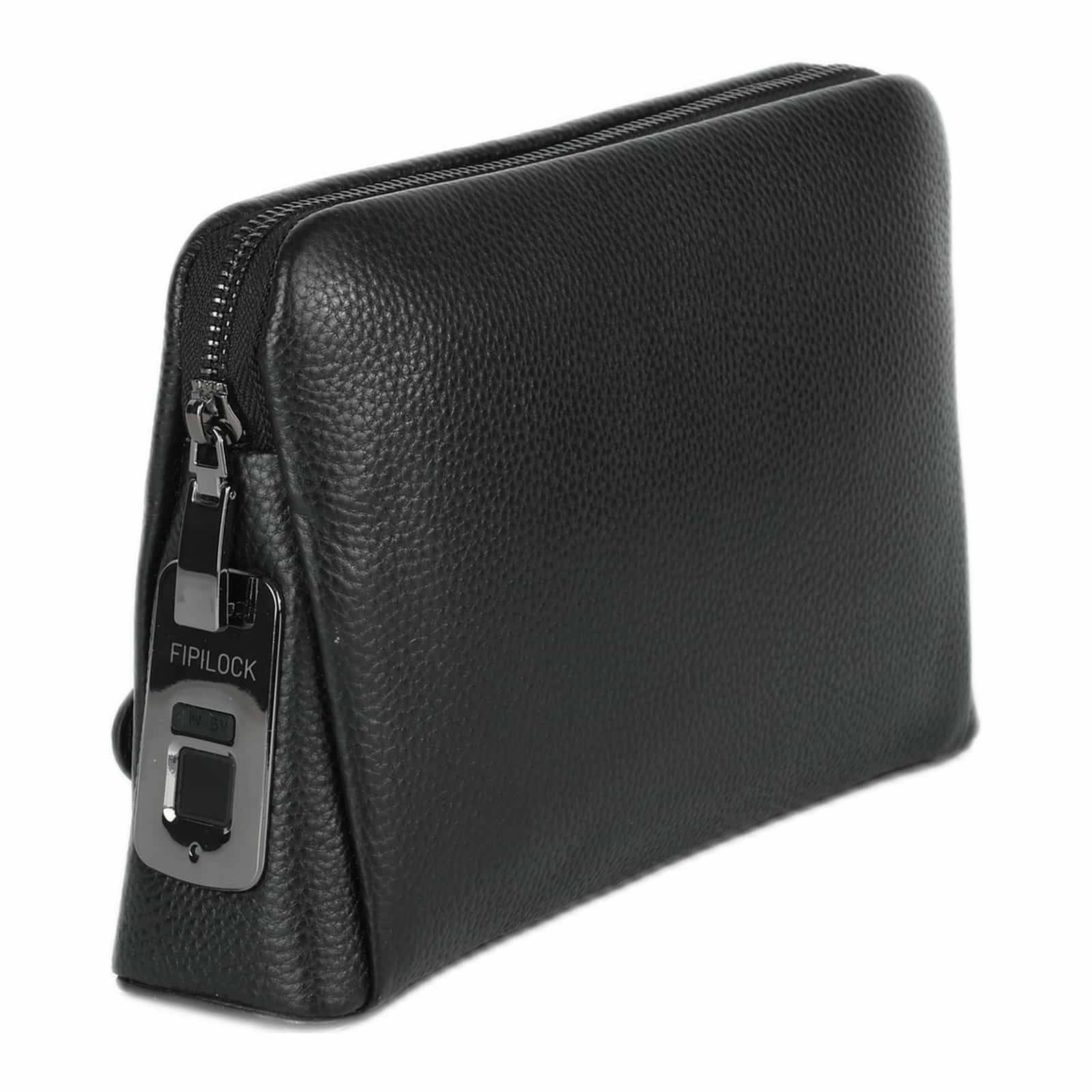
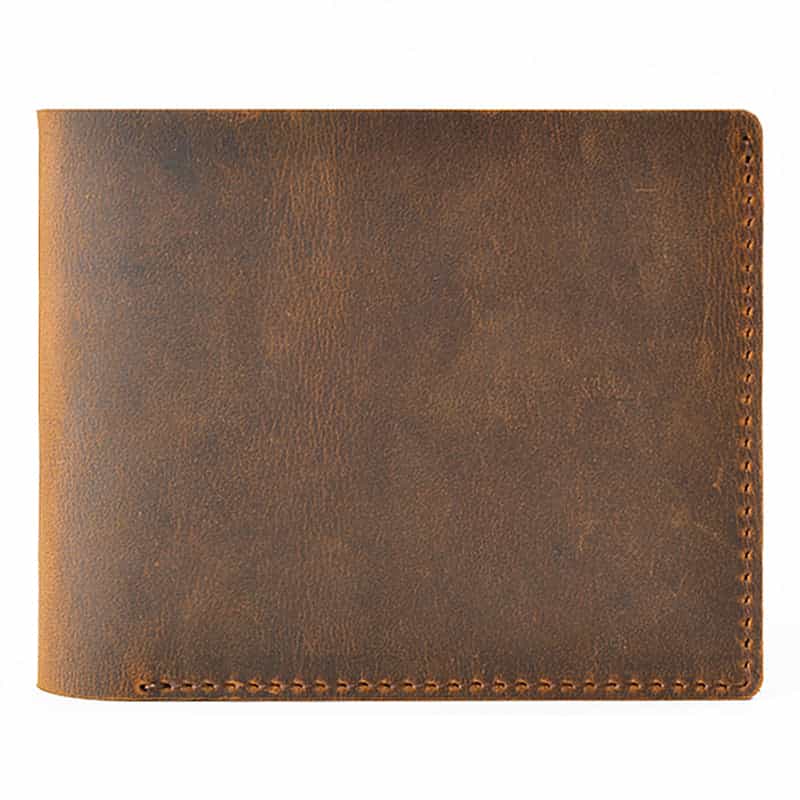
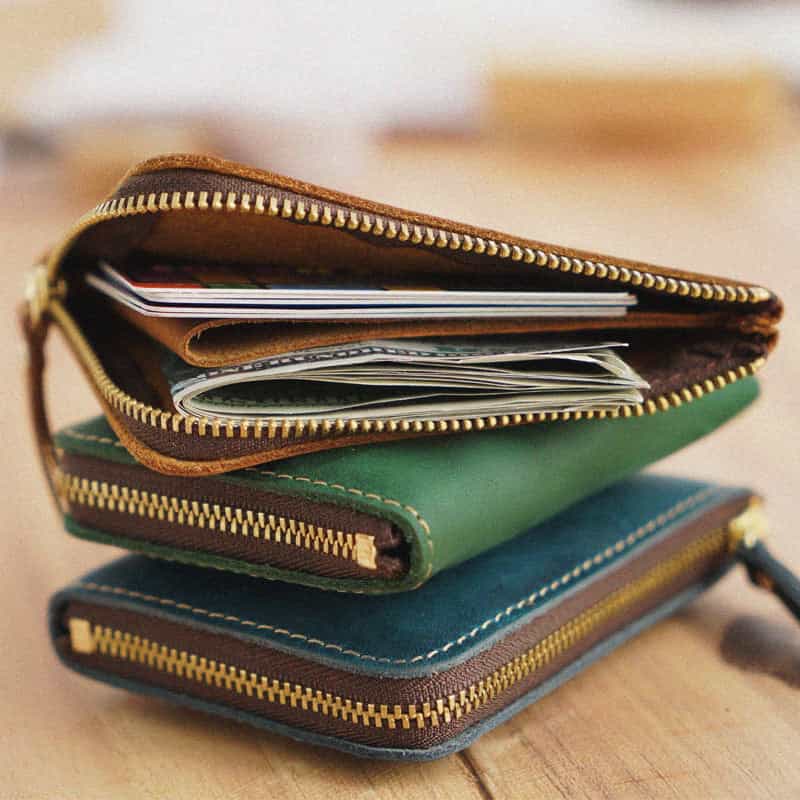
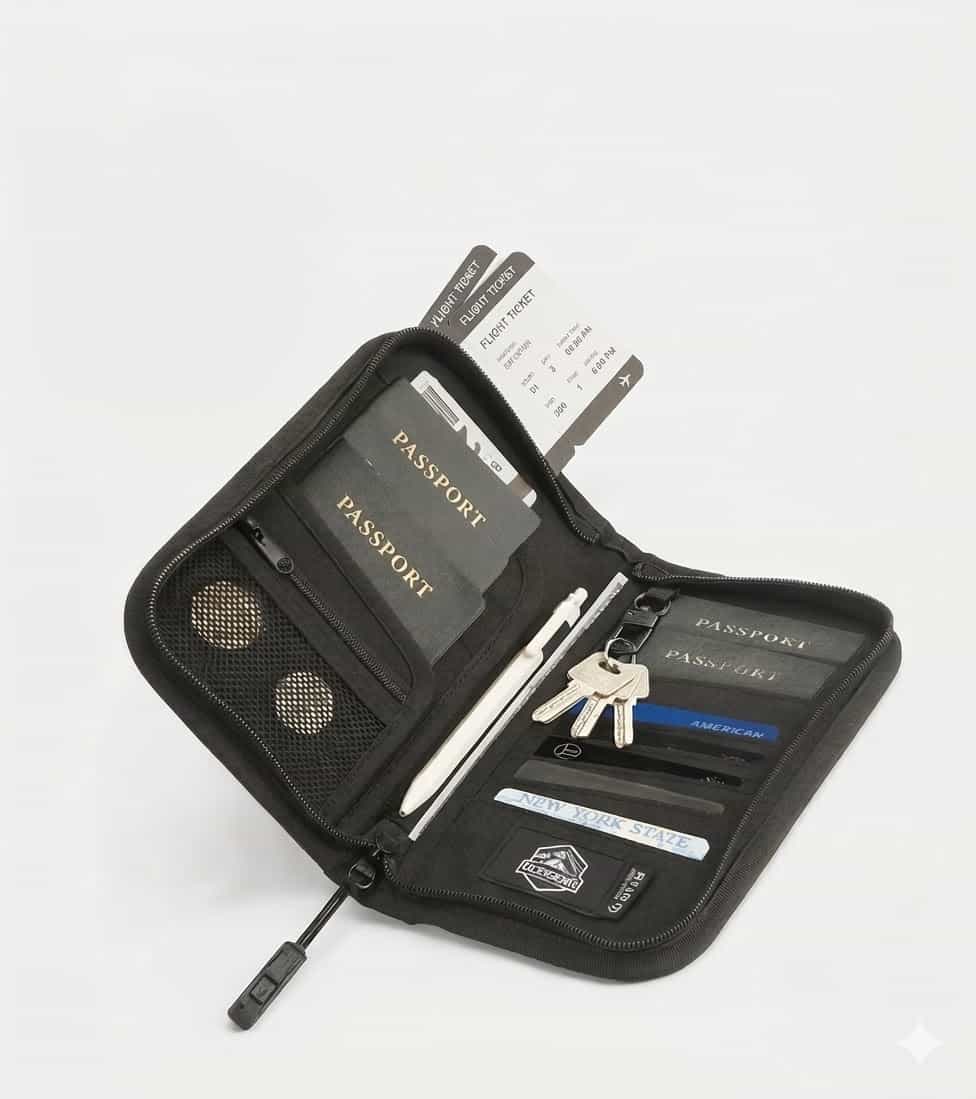
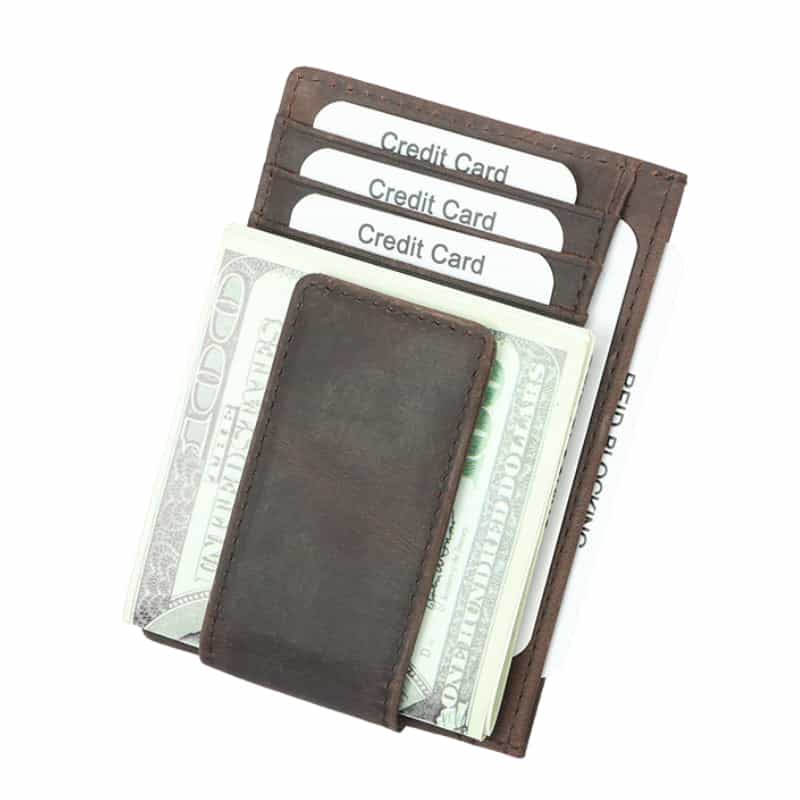
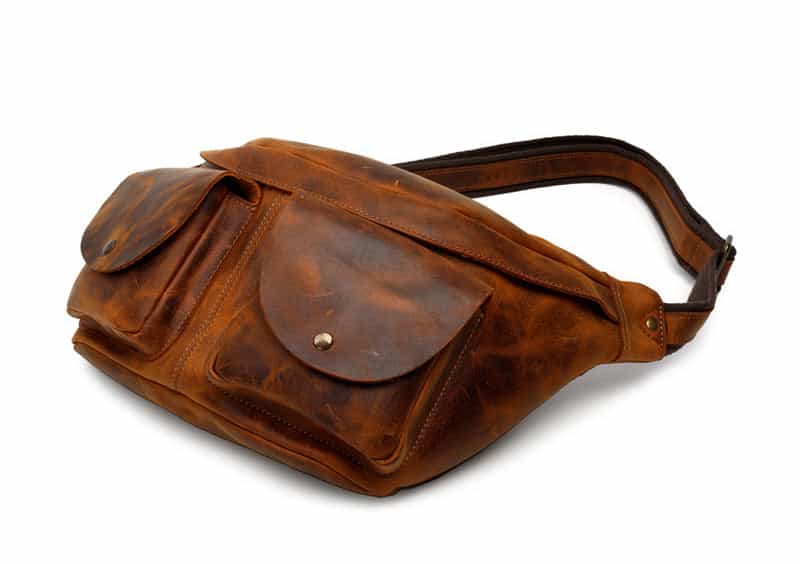
Keep your pockets empty. Coins, keys, phones and wallets should go straight into your shoulder bag or travel pouch before you reach the security trays. A small, quality pouch worn crossbody is a perfect solution: it keeps your passport, boarding pass and phone in one accessible, secure place, and goes into the security tray in one second with no need to empty your pockets.
Upgrade accessories: the small details that make a big difference
Beyond the clothes themselves, a few small items can significantly upgrade your flight experience:
- Thick socks or compression socks: the temperature on the cabin floor is always colder. A pair of warm socks in your backpack works wonders. For long flights, compression socks help prevent swollen legs.
- Eye mask and earplugs: essential if you want to catch a nap on daytime flights or noisy night flights.
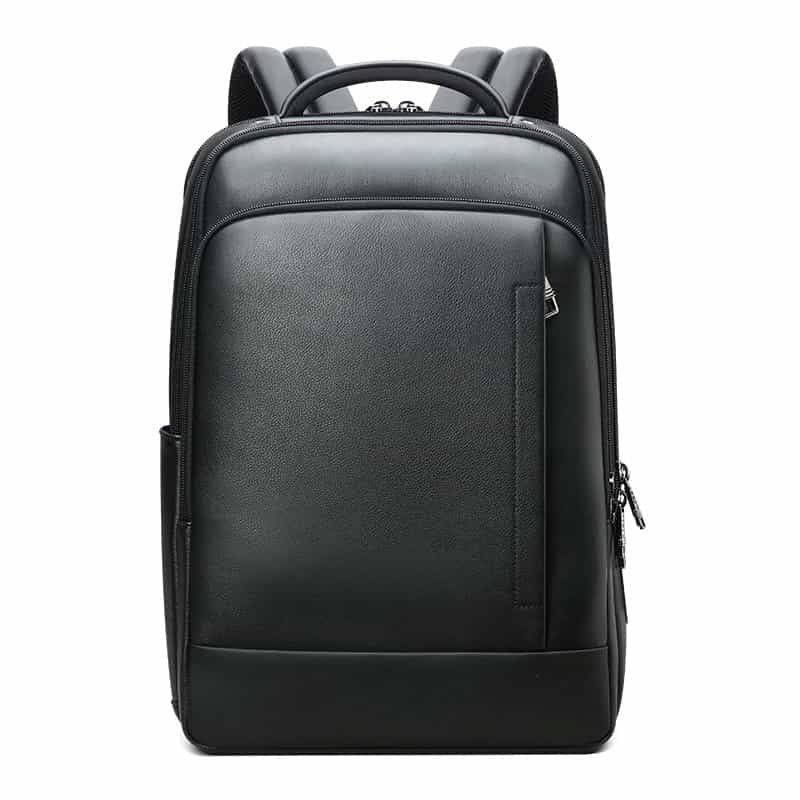
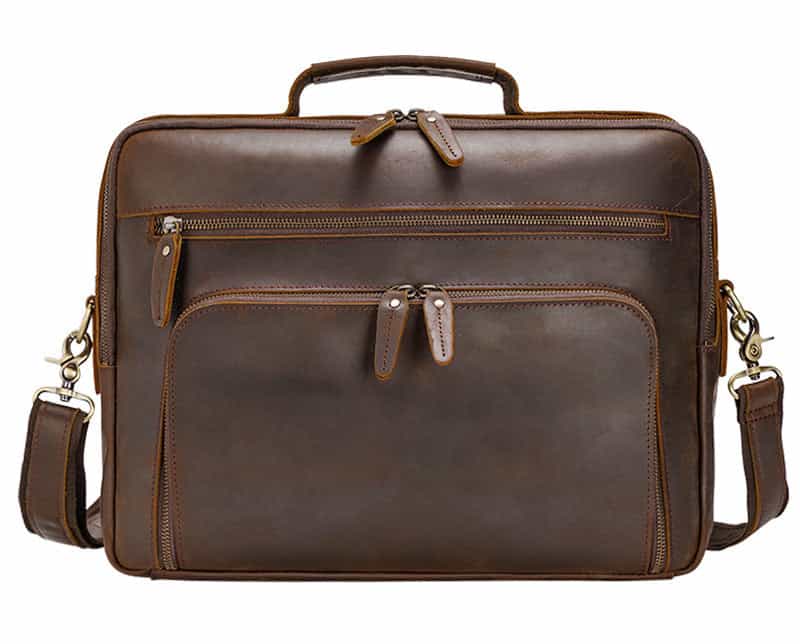
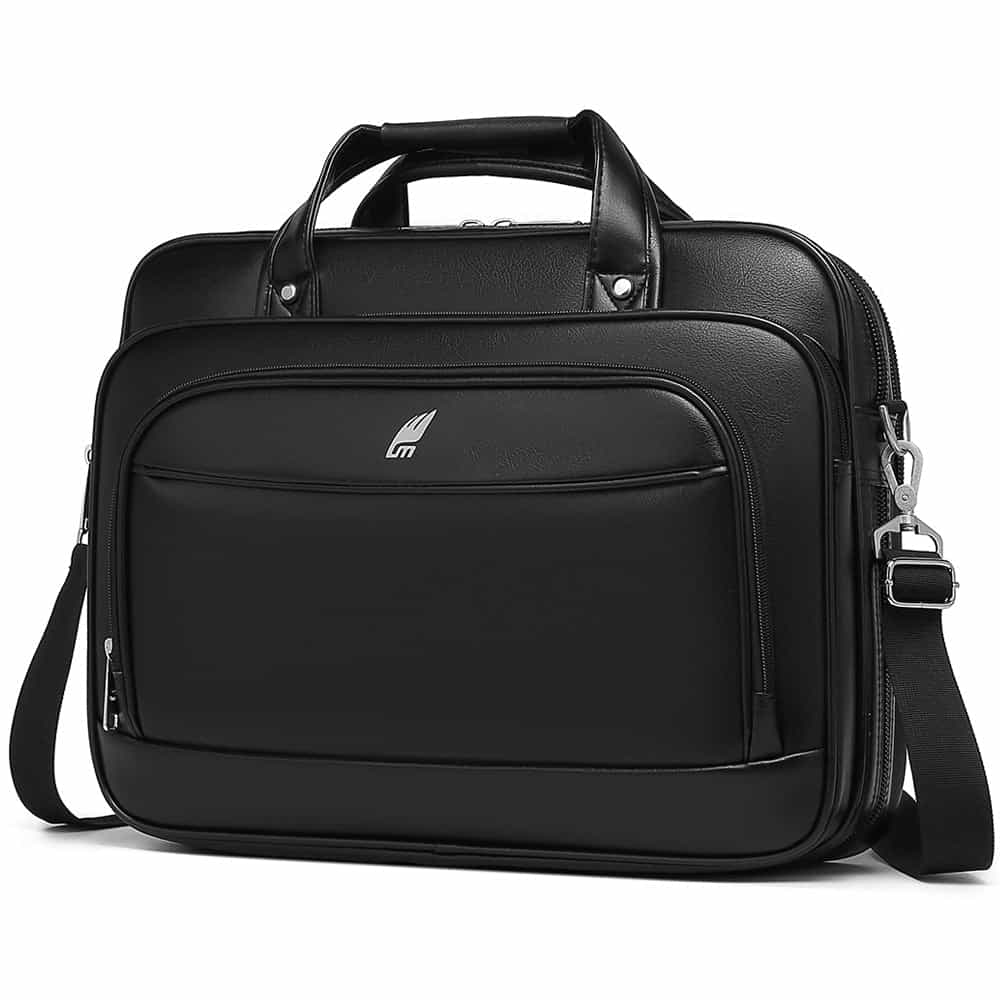
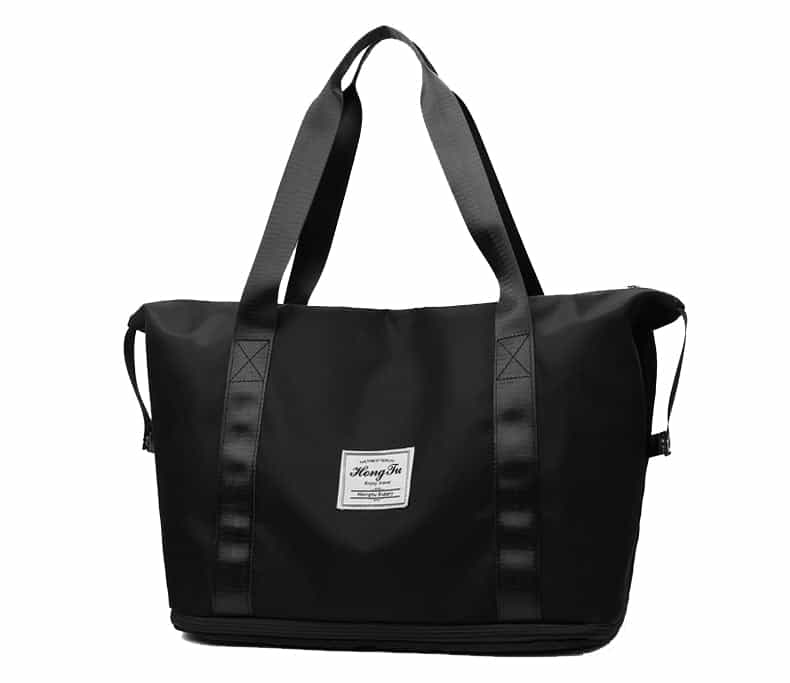
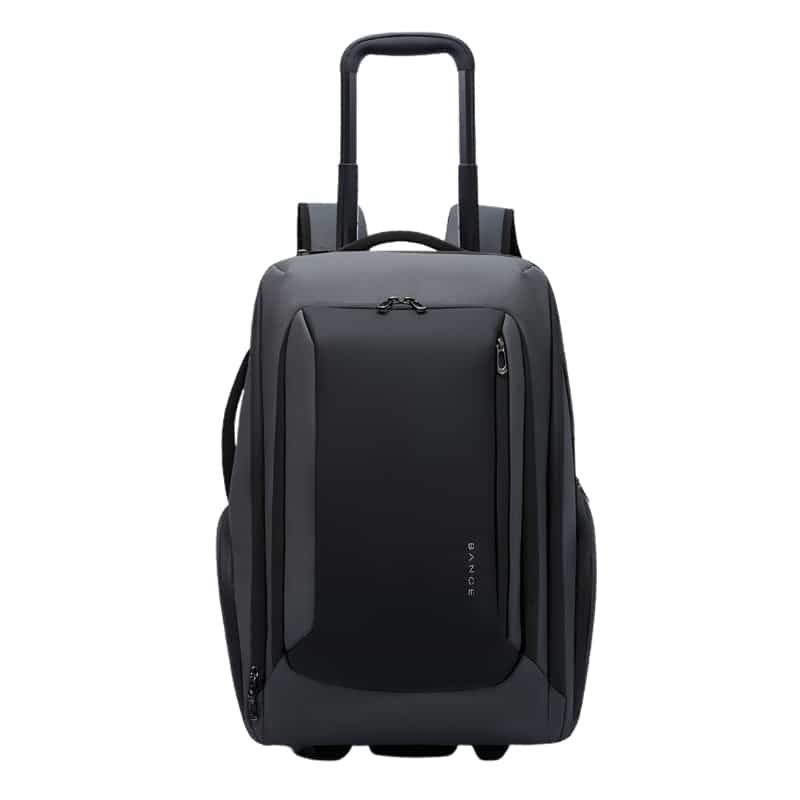
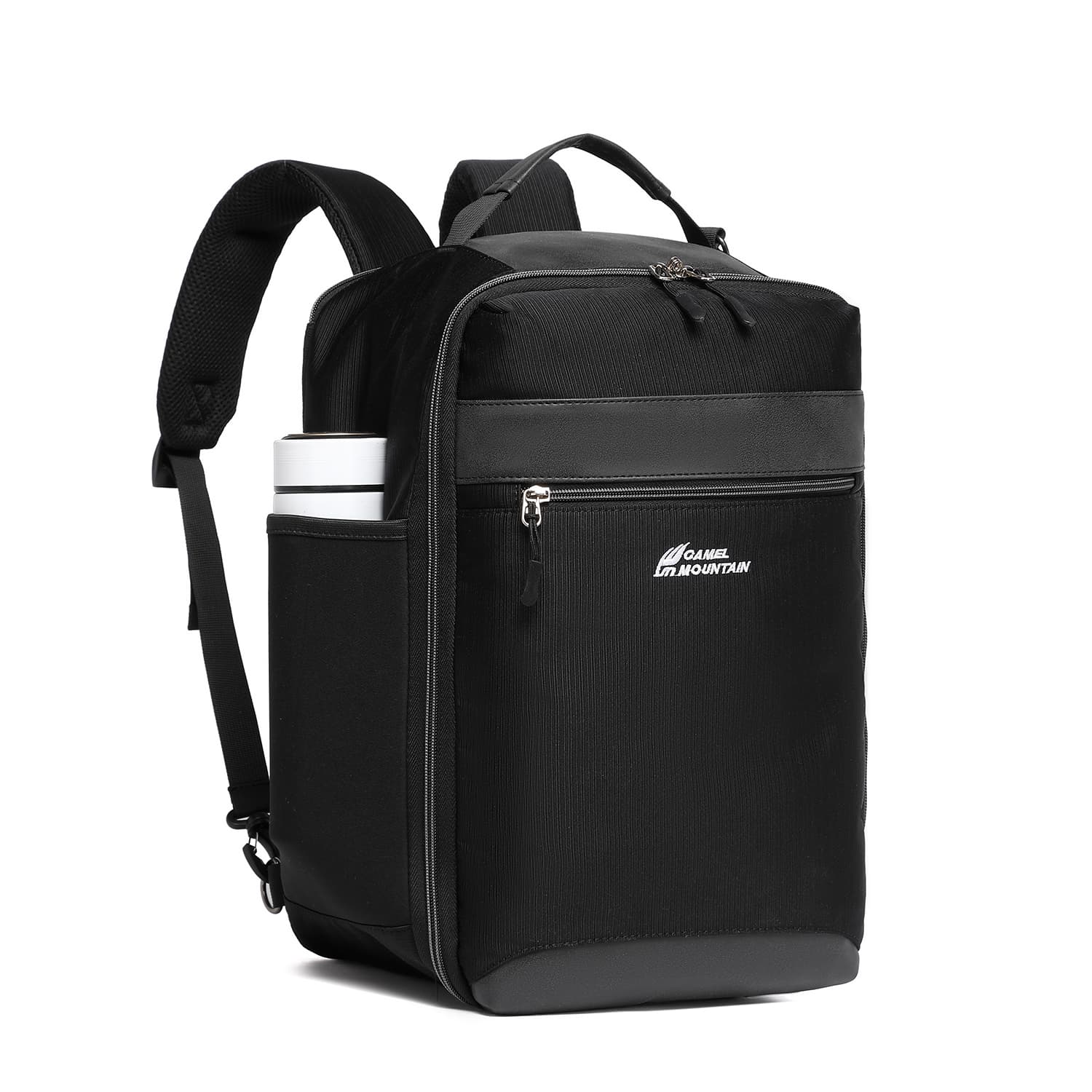
- A smart personal backpack: choose a backpack that matches the airlines' dimensions exactly (such as the strict personal item rules of low-cost airlines). A bag with smart compartments lets you pull out your laptop, water bottle or extra layer without messing up all your gear in the middle of the plane.
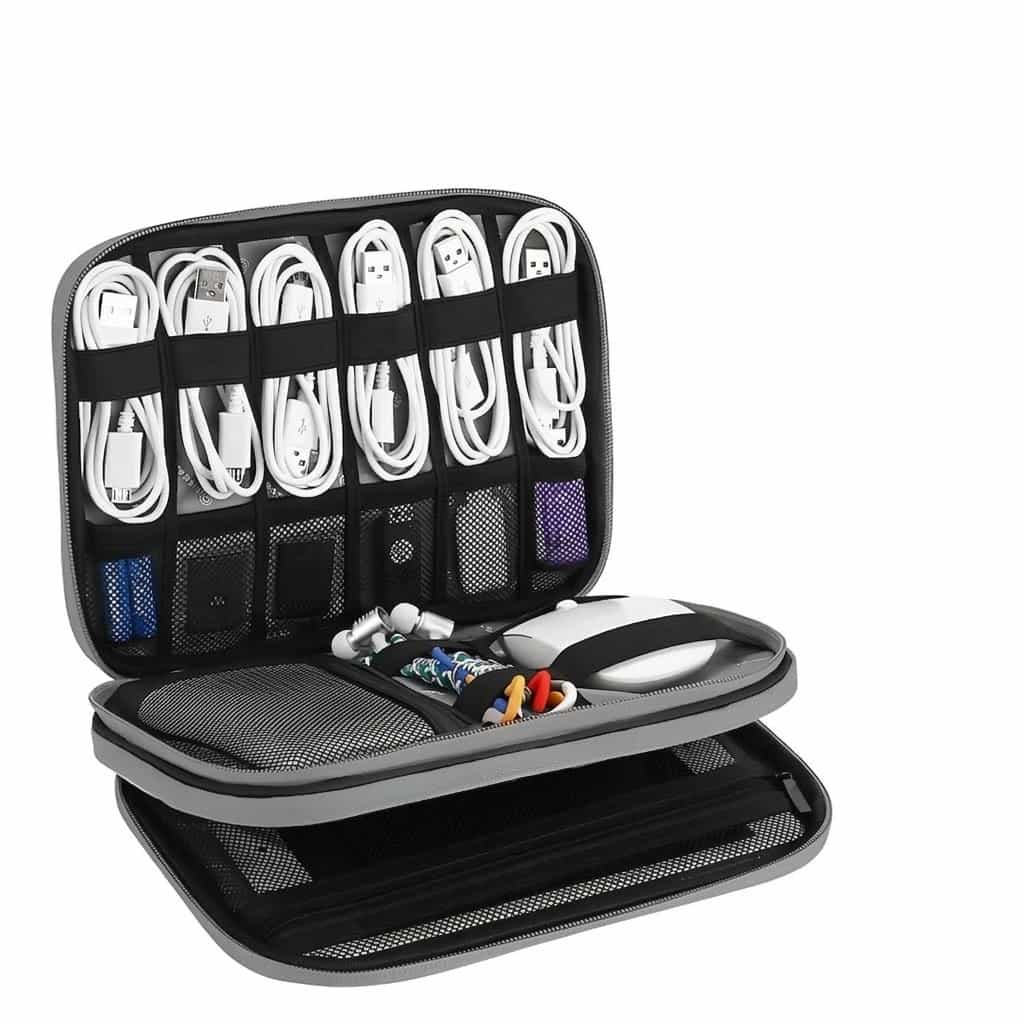
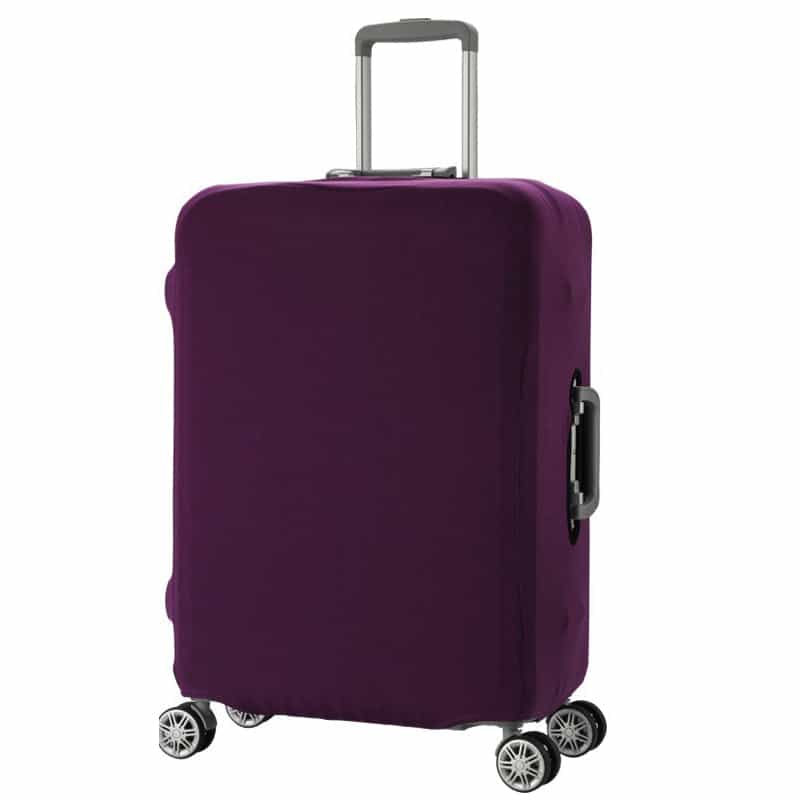
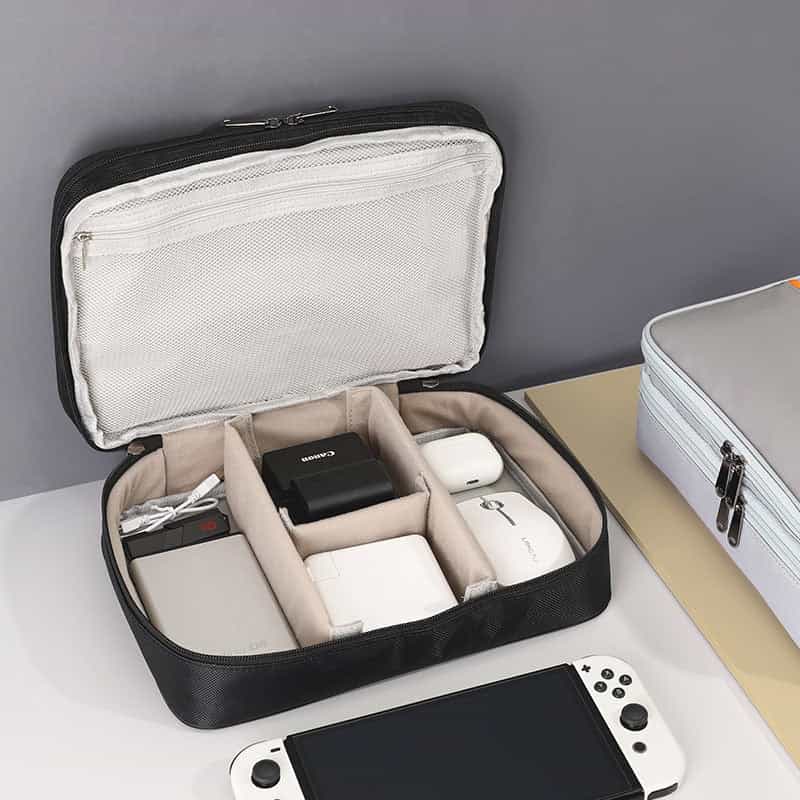
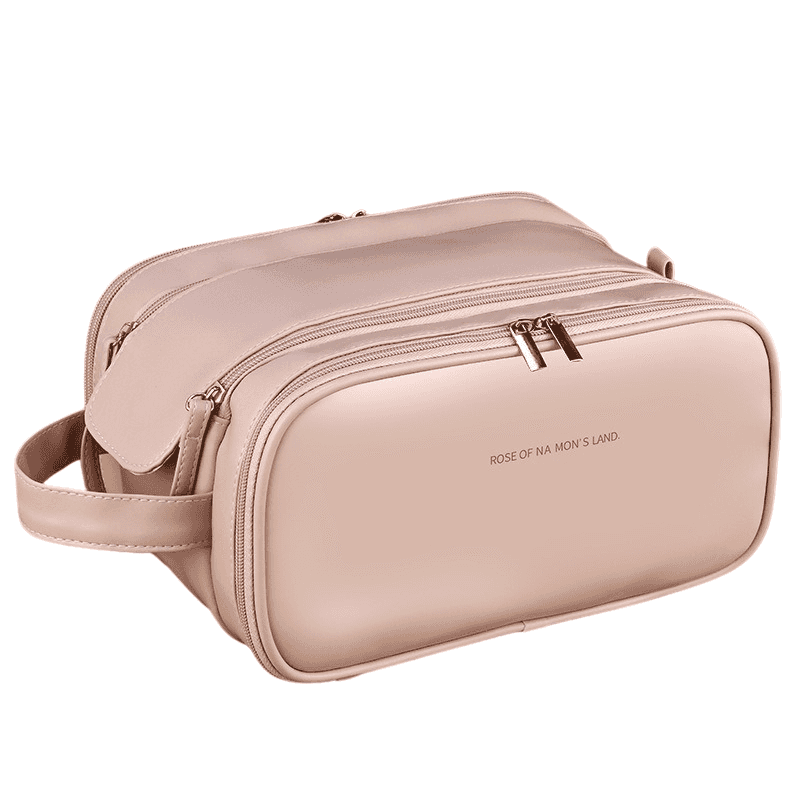
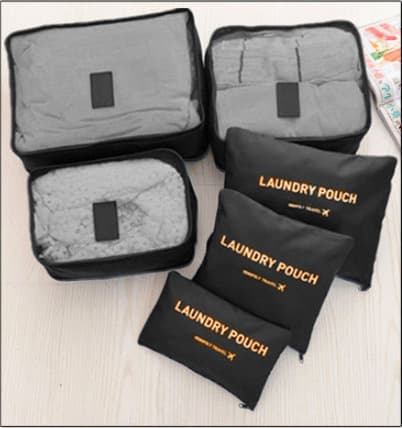
Products that will help you on the way
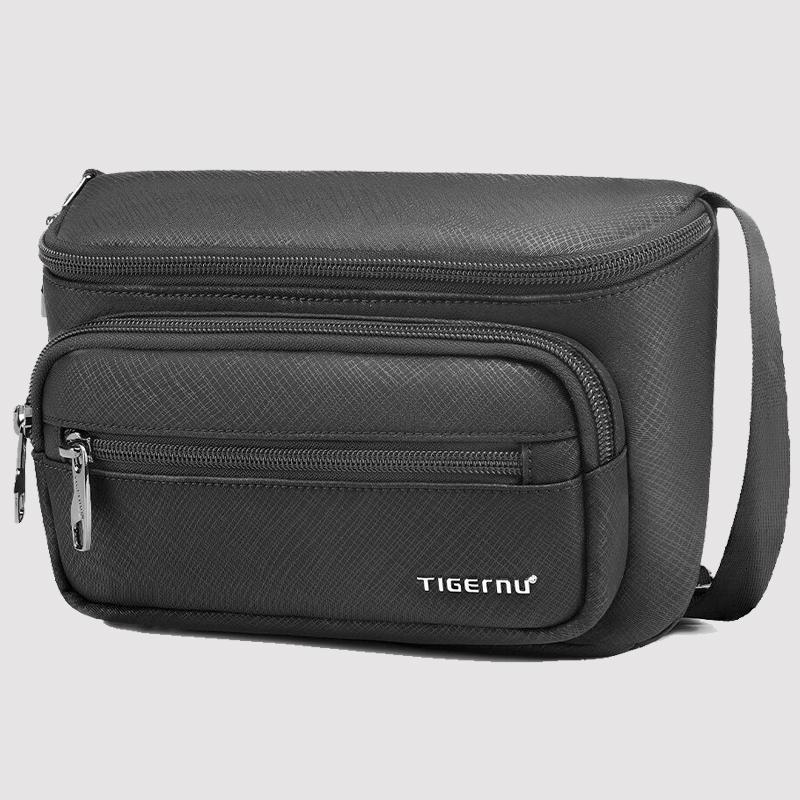
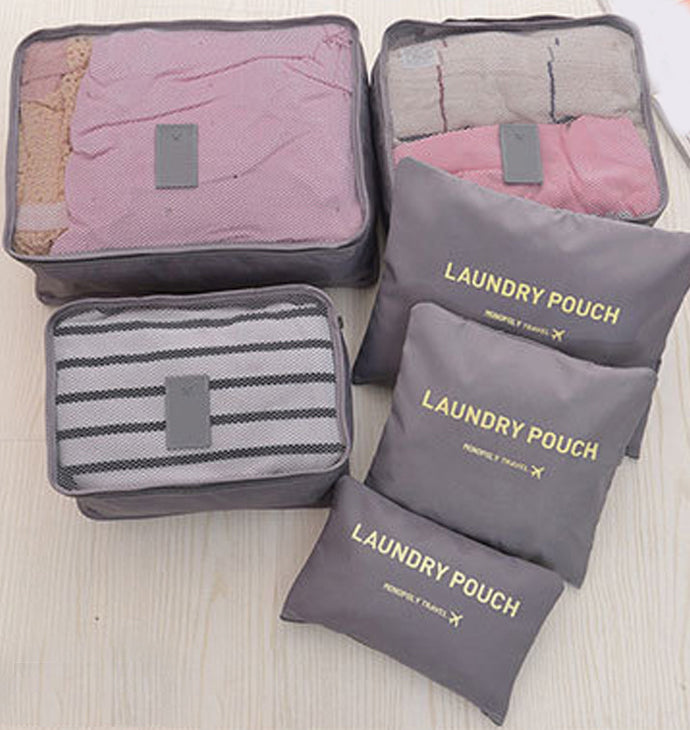

Products in this guide
Frequently asked questions
Can you fly in flip-flops or sandals?
Tempting as it is, especially in summer, flying in flip-flops or open sandals isn't recommended. The air conditioning on planes tends to be very cold, and bare feet get cold quickly. In addition, for hygiene and safety reasons at the airport and on the plane, closed shoes and socks are a much smarter choice.
Which fabrics are best to wear on a flight?
The best fabrics are natural, breathable ones such as cotton, bamboo or fine merino wool. They let your skin breathe, prevent sweat from building up and help regulate body temperature. Avoid cheap synthetic fabrics such as plain polyester, which can feel stuffy and cause unpleasant odors on a long flight.
Should you wear compression socks on a flight?
On long flights (over 4 to 5 hours), compression socks are an excellent idea. They improve blood flow in the legs, prevent swollen feet and reduce the risk of blood clots from prolonged sitting.
How should you dress when flying from a hot country to a very cold one?
This is where layering is critical. Wear a light base that suits the hot country you're leaving (such as a T-shirt and comfortable pants), and pack a warm coat, scarf and hat in your personal backpack. That way you can put them on just before landing or right after you leave the plane, without walking around in them at the departure airport.


