








Lost Luggage on a Flight? A Guide to Passenger Rights and How to Prepare in Advance
September 12, 2026Updated October 23, 20265 min read
If your suitcase was lost on a flight, you are entitled to monetary compensation of up to about $1,700 (under the Montreal Convention) for the loss or for buying essential items. To secure your rights, file a loss report (PIR) at the airport, document the contents of your suitcase in photos in advance, and use smart trackers like the AirTag that provide conclusive proof of your baggage's location in real time.
Products in this guide

International media recently reported a dramatic case in which the airline IndiGo was ordered by a court to pay 18,000 rupees in compensation to a passenger whose baggage was lost on a domestic flight. The ruling is a sharp and painful reminder that lost baggage is not just a nuisance that ruins a vacation, but a legal and consumer issue in which airlines bear direct responsibility. For travelers, the case highlights how important it is to know our rights, and even more, the real need for smart tech and physical preparation before reaching the check-in counter.
Passenger rights when baggage is lost or delayed (the Montreal Convention)
The legal basis that protects you on international flights is called the Montreal Convention. This treaty, signed by most countries in the world, sets uniform rules for compensating passengers when baggage is delayed, damaged or lost. Under the convention, the airline's liability is almost absolute from the moment you hand over the suitcase at check-in until the moment it is supposed to come back to you on the carousel.
It is important to distinguish between two main situations:
- Delayed baggage: the suitcase didn't arrive on time but was found and delivered to you later. In that case, the airline must refund you for the essential items (such as hygiene products, underwear and basic clothes) you bought while you didn't have the suitcase.
- Lost baggage: if the suitcase wasn't located within 21 days of the day it was supposed to land, it is officially defined as lost. At this point you are entitled to claim full compensation for the value of the suitcase and the contents inside it, up to the maximum ceiling set by law (currently about 1,288 Special Drawing Rights of the International Monetary Fund, equal to about $1,700).
Step by step: what to do when your suitcase doesn't show up on the carousel
The landing went smoothly, you passed passport control, and you are standing at the carousel. The suitcases go around, the carousel stops, and yours isn't there. Don't panic, follow these steps to secure your compensation:
- Don't leave the arrivals hall: immediately find the airline's or the airport's baggage service desk (Lost & Found), which is inside the baggage hall.
- Fill in a PIR (Property Irregularity Report): this is the most important document. Don't leave the airport without a physical or digital copy of the report and an official tracking number. The report is legal proof that you reported the loss in real time.
- Keep the baggage stub: the small sticker attached to your boarding pass or passport at check-in is your suitcase's ID. Don't lose it!
- Controlled emergency purchases: if you are in a destination country that is not your country of residence, buy only what is truly essential and keep every single receipt. Airlines won't compensate you for designer clothes or luxury watches bought as "self-compensation".
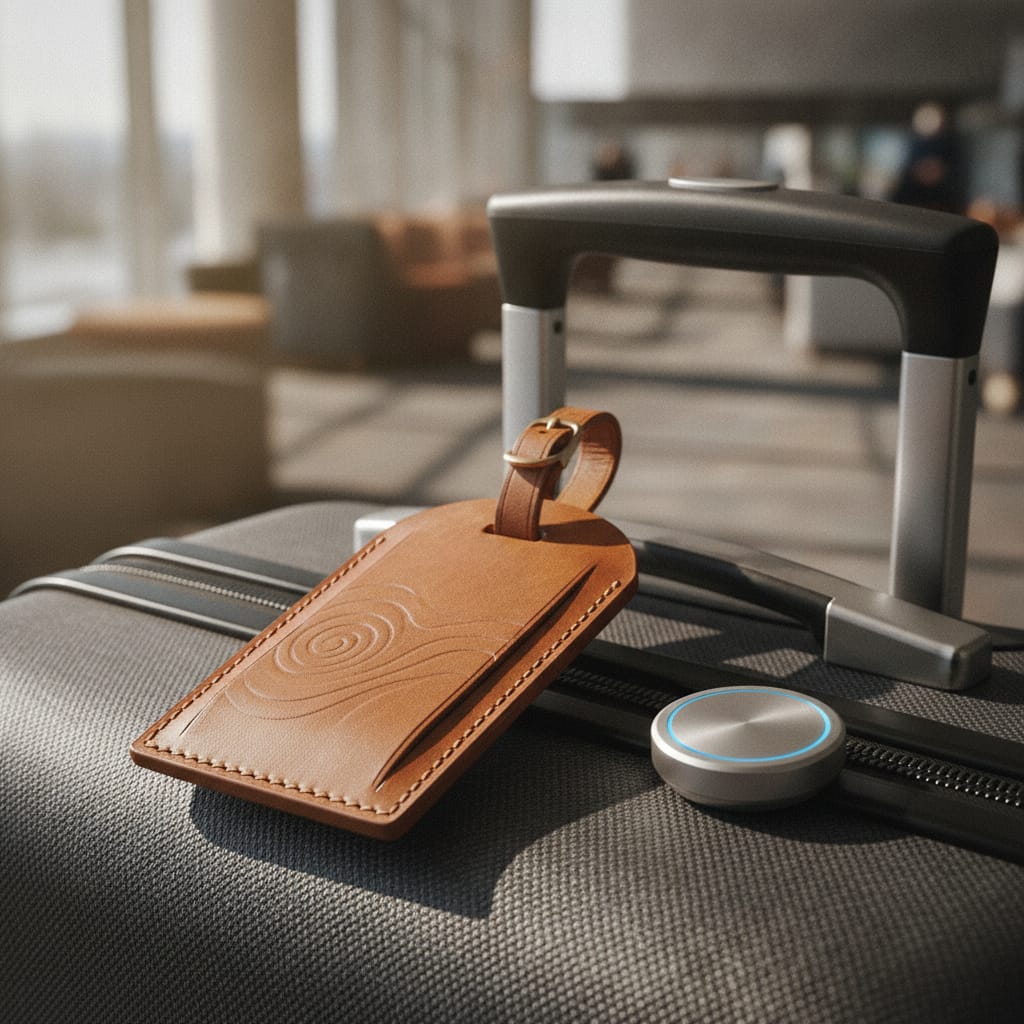
The technology revolution: using smart trackers (AirTag)
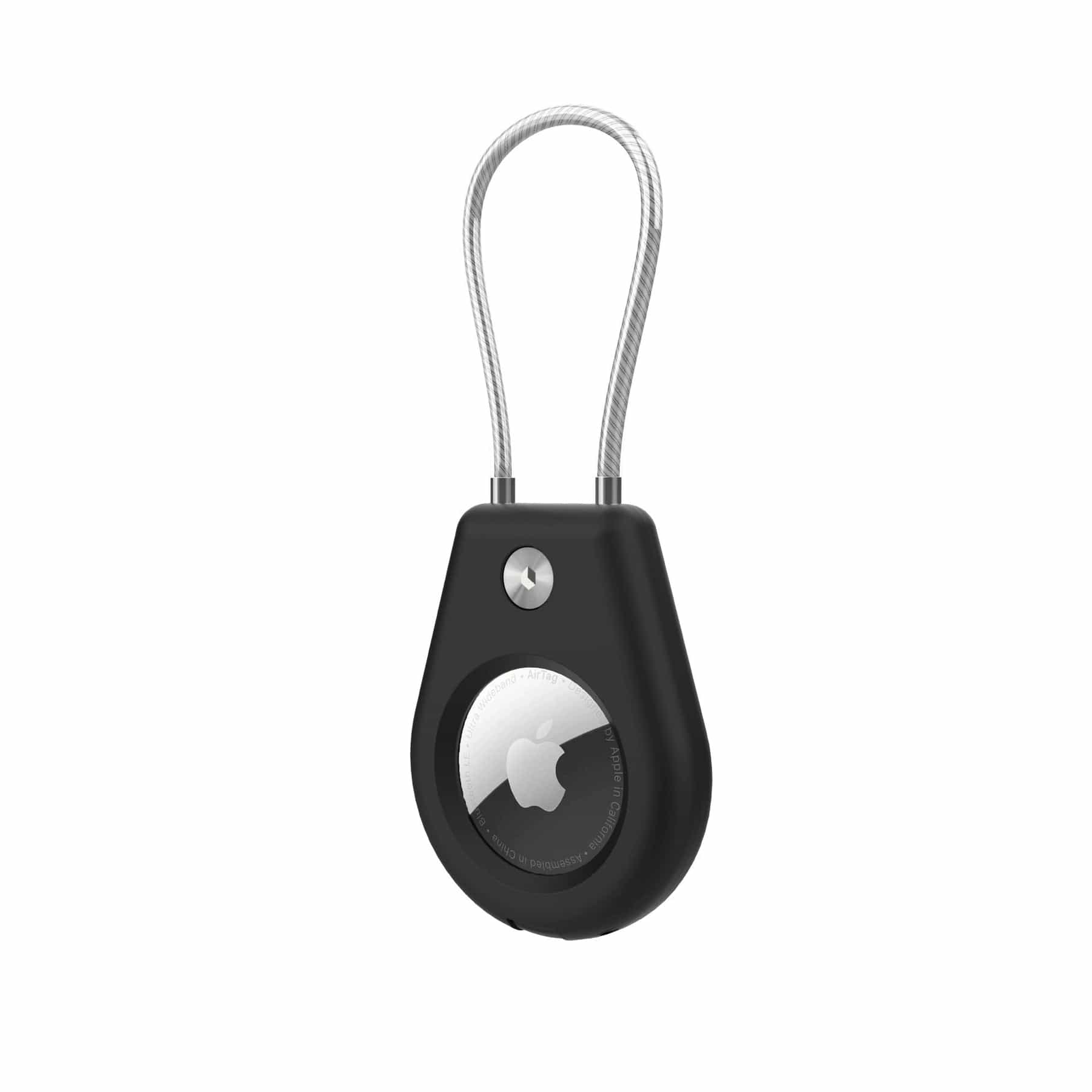
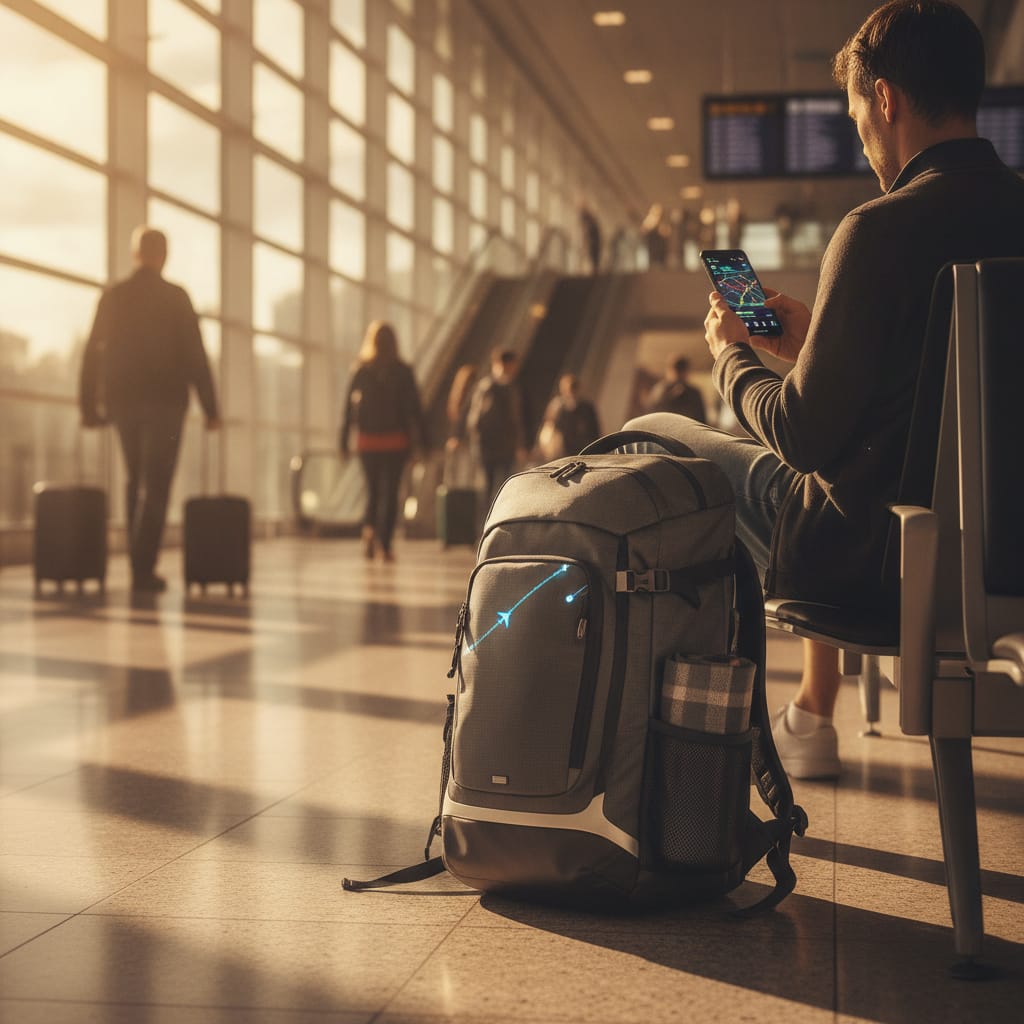
These days, relying only on the airlines' sorting systems is an unnecessary gamble. Putting a smart tracker (such as an Apple AirTag or an equivalent Android-based product) inside your suitcase is the smartest step you can take. These tags use the Bluetooth networks of nearby devices to broadcast their exact location straight to your phone.
The big advantage of a tracker isn't only your peace of mind, but the ability to stand your ground with the airline. Many passengers say that when airline representatives claimed the suitcase was "still in the country of origin", they showed them in the app that the suitcase was actually in the back storage room of the destination airport, which significantly sped up getting it back. To make sure the tag doesn't get lost or damaged, we recommend using dedicated silicone holders or hiding it in a protected inner pocket of the suitcase.
Photos and documentation: your digital insurance certificate
Airlines and insurers are businesses, and as such they will demand conclusive proof of the value of the lost items. So make the following a regular habit before every flight:
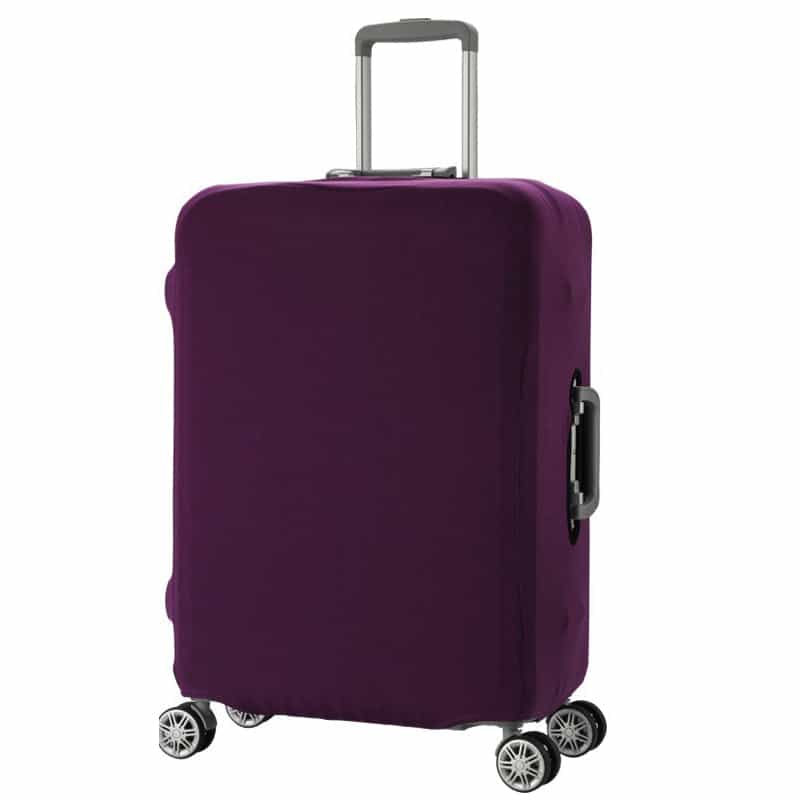
Open the suitcase on the bed at home, just before closing it for good, and take a clear photo of all the contents. Then photograph the closed suitcase from all sides. These photos serve two critical purposes: they prove which items were in the suitcase (if you claim compensation for the contents), and they let the lost and found staff know exactly what your suitcase looks like from the outside (color, identifying marks, minor flaws) instead of you having to describe it in words.
Here is a quick comparison of the different security and tracking options for suitcases:
| Tracking / ID option | Main advantages | Disadvantages / limitations | Effectiveness when lost |
|---|---|---|---|
| Smart tracker (AirTag) | Real-time tracking anywhere in the world, conclusive proof with the airline. | Needs a battery, depends on supporting devices being nearby. | Very high |
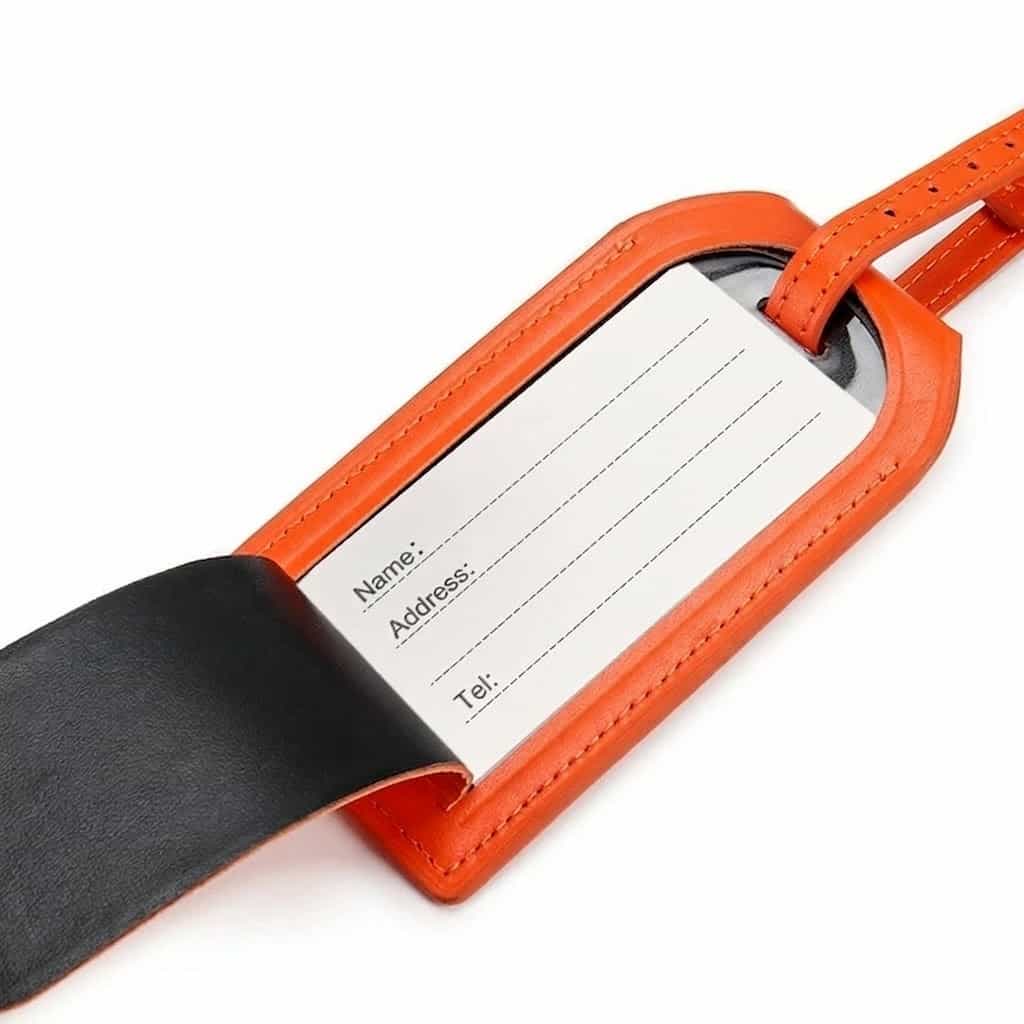
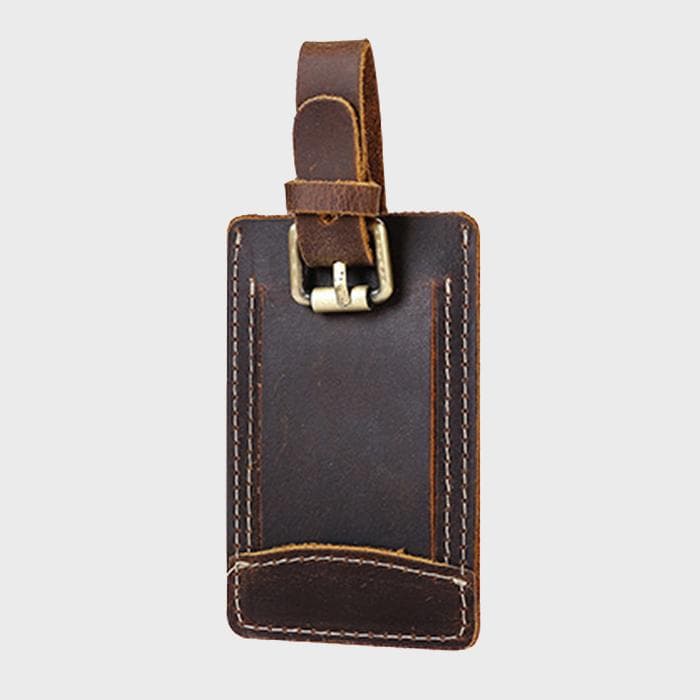
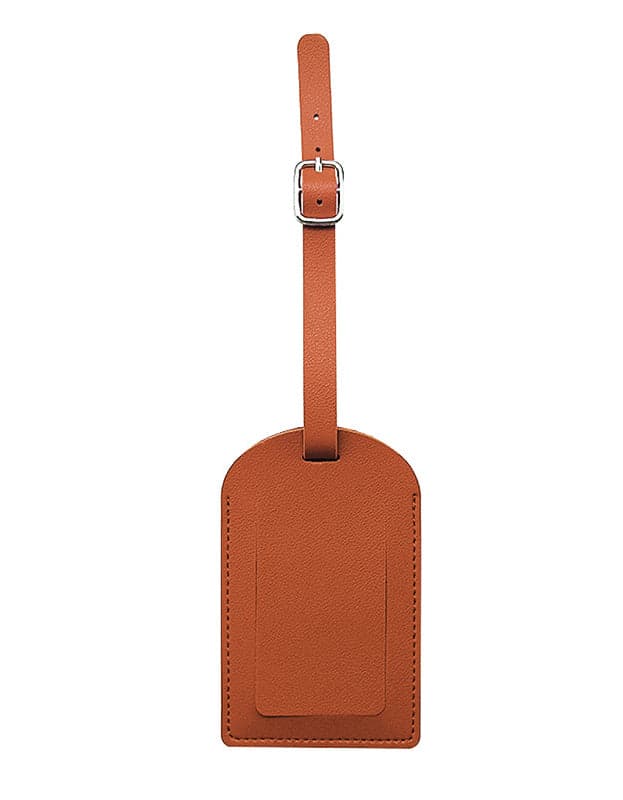
| Physical name tag (ID tag) in leather or silicone | Lets the finder contact you directly, doesn't depend on technology. | May be torn off in transit, exposes personal details to everyone. | Medium |
| Digital photos of the suitcase and its contents | Legal proof of the value of the items and of the suitcase's appearance for compensation claims. | Doesn't help physically locate the suitcase in real time. | High (for compensation purposes) |
In summary, the IndiGo case proves that airlines can't escape their responsibility, but the road to justice and compensation starts with your own proper preparation. Get quality name tags, add a smart tracker, photograph the contents, and fly with peace of mind knowing you are protected in any scenario.
Based on a report: Baggage Lost Indigo: Airline to pay Rs 18 000 to passenger who lost baggage on flight, defensorianna.gob.ar
Products to help you on the way



Frequently asked questions
What is the difference between a delayed suitcase and a lost suitcase?
A suitcase is considered delayed from the moment it doesn't arrive on the carousel at landing. It is officially defined as lost only after 21 days have passed since the flight and the airline has not managed to locate it.
Does the airline have to pay for new clothes if my suitcase was delayed?
Yes, but only for essential, basic items (such as underwear, toiletries and simple changes of clothes) and against original receipts. Airlines won't compensate for excessive purchases or luxury items.
Are AirTag batteries allowed in the hold?
Yes. Trackers like the AirTag use small CR2032 coin batteries, which international aviation authorities approve for the hold, unlike the large lithium-ion batteries of power banks.
What do you do if the airline refuses to pay compensation for a loss?
In that case you can turn to the courts (such as small claims court, where the airline has a local presence) or activate your private travel insurance policy, which often offers a faster and simpler compensation route.
Share this guide
Keep shopping
Our collections related to this guide


