


The Luggage Crisis at Ben Gurion Airport: How to Survive Delays in the Hold
September 3, 2026Updated October 23, 20264 min read
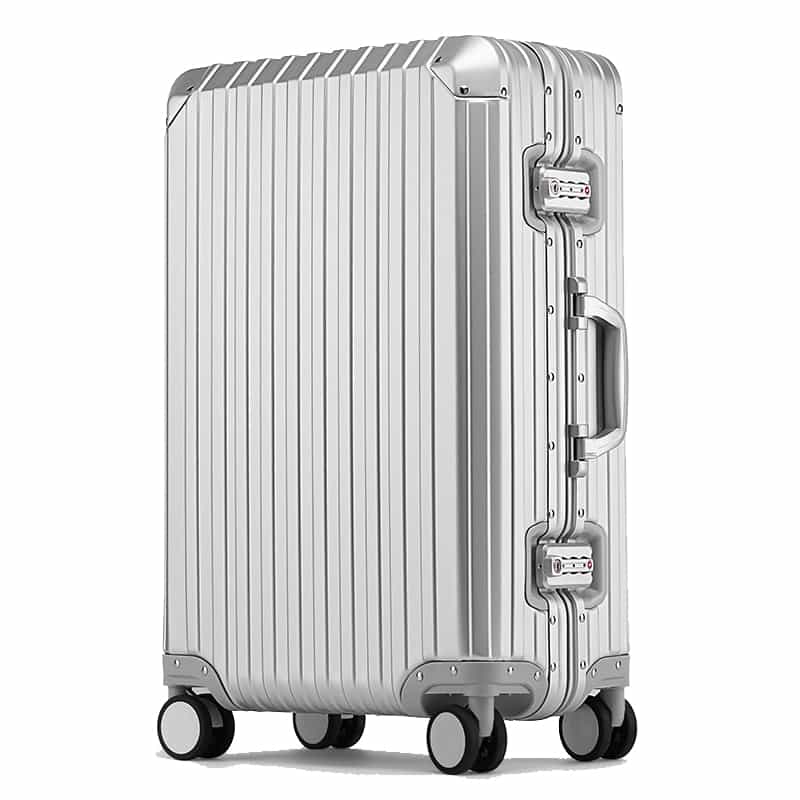
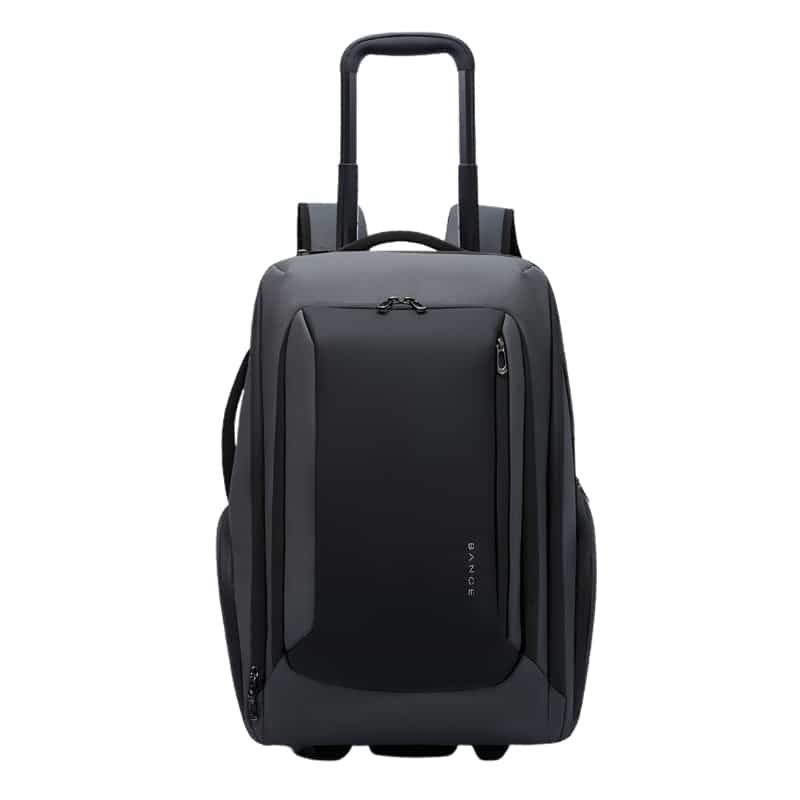
The severe shortage of baggage handlers at Ben Gurion Airport, which is forcing the authorities to offer unusual hiring bonuses, is creating a bottleneck that delays your suitcases from reaching the carousel or the destination. To get through the crisis, switch to a "digital and physical survival" strategy: use smart trackers (such as the AirTag), pack a comprehensive "first aid" backpack for the cabin, and prefer a compact trolley over checked baggage.
Products in this guide


What is happening behind the scenes at Ben Gurion Airport? (The story behind the headlines)
Recent reports that the Israel Airports Authority is urgently looking for baggage handlers, and even offering significant bonuses and financial incentives per shift, reveal a complicated reality for travelers. The labor shortage at Ben Gurion Airport is not just a logistics problem for the airport; it rolls straight onto passengers in the form of long delays in getting suitcases after landing, and sometimes even baggage that isn't loaded onto connecting flights.
When a plane lands, skilled and fast staff are needed to unload hundreds of suitcases, sort them and move them to the carousels. Without that staff, the suitcases stay in the hold or on cargo carts on the apron for long minutes, and sometimes hours. For anyone heading out on a short vacation or to an important business meeting, a delay like that can disrupt all the plans. This is exactly where your advance preparation as a smart traveler comes in.
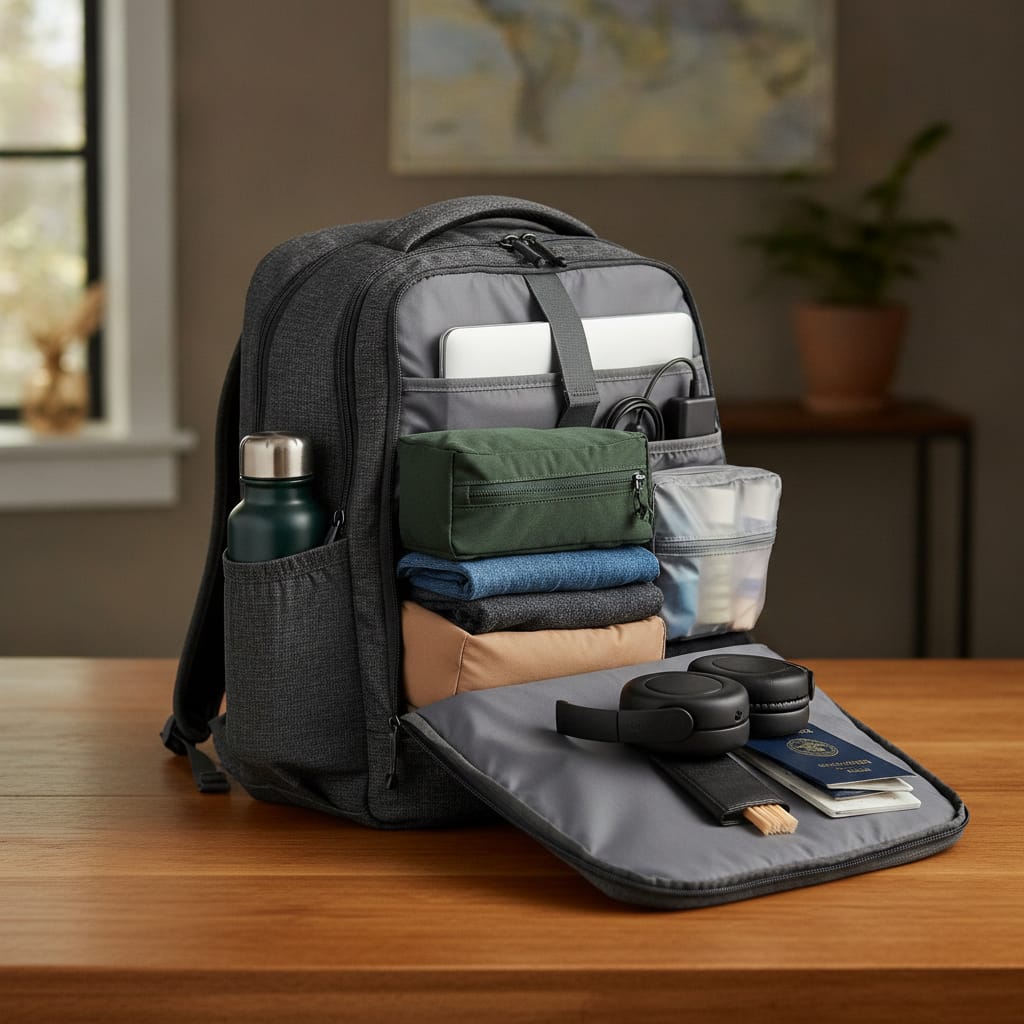
The 24-hour rule: what must go in the backpack that boards with you?
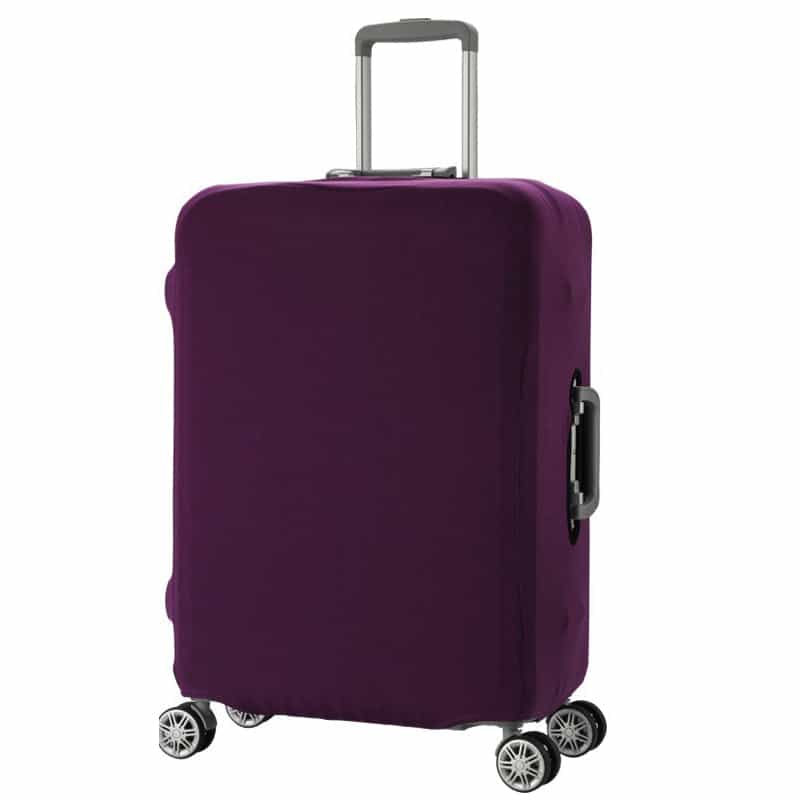
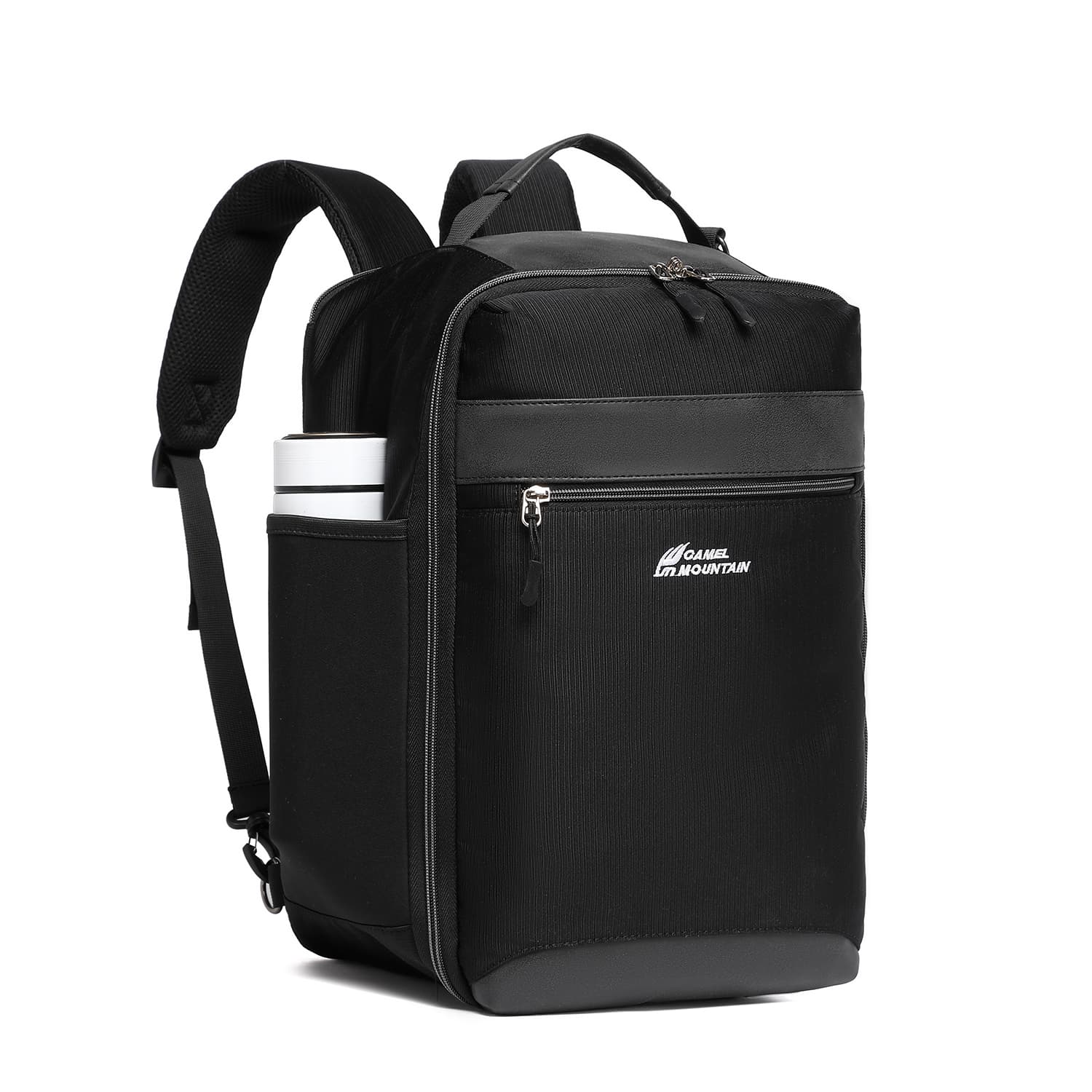
If you have to check a big suitcase (because of a long trip or a lot of gear), your starting assumption should be that the suitcase may be delayed for the first 24 hours. So the backpack or small trolley that goes into the cabin with you has to work as a completely self-sufficient "survival kit".
These are the items you must separate from the big suitcase and pack in your backpack:
- Spare underwear and socks: at least two clean sets. This is the most important item for feeling fresh on the first day if there is a delay.
- Light, comfortable clothes: an extra shirt and light pants that suit the weather at your destination.
- Basic toiletries (within the liquids limits): a toothbrush, a small toothpaste, deodorant and essential products in bottles of up to 100 ml.
- Prescription medications: never send essential medications in the hold. They have to be with you at all times.
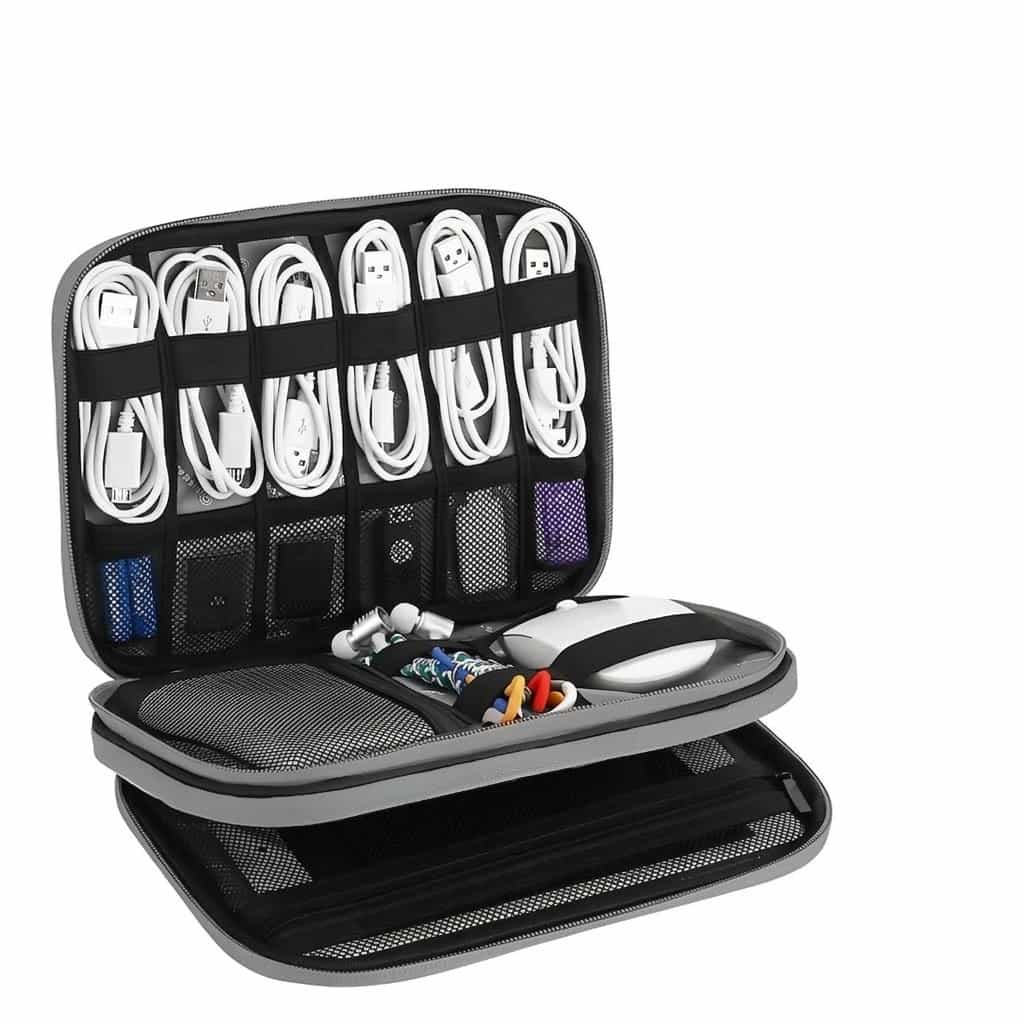
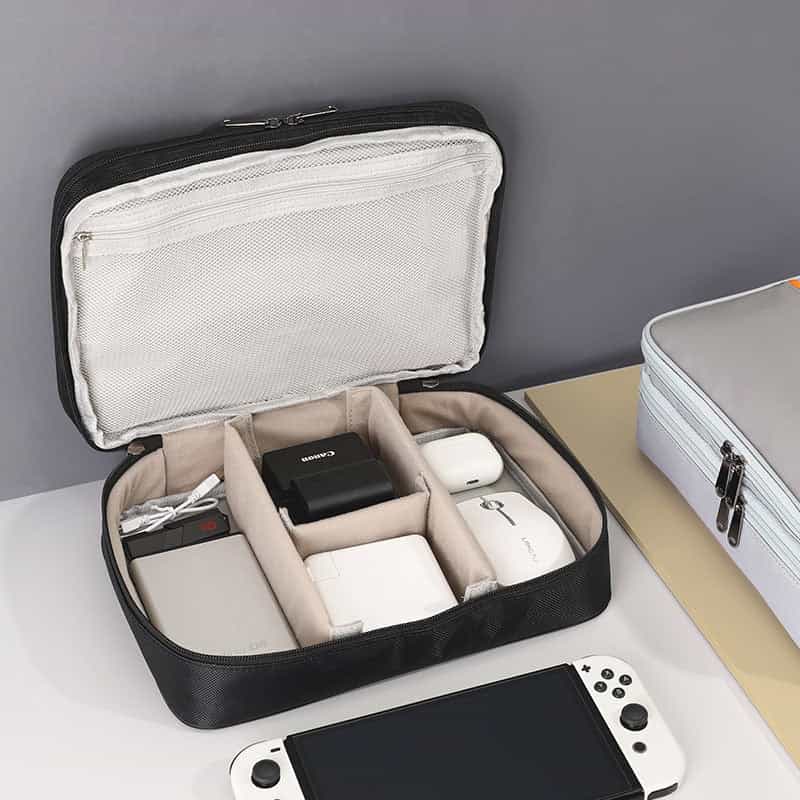
- Chargers and electronics: a phone charger, a power bank (which is strictly prohibited in the hold because of the fire risk) and a laptop.
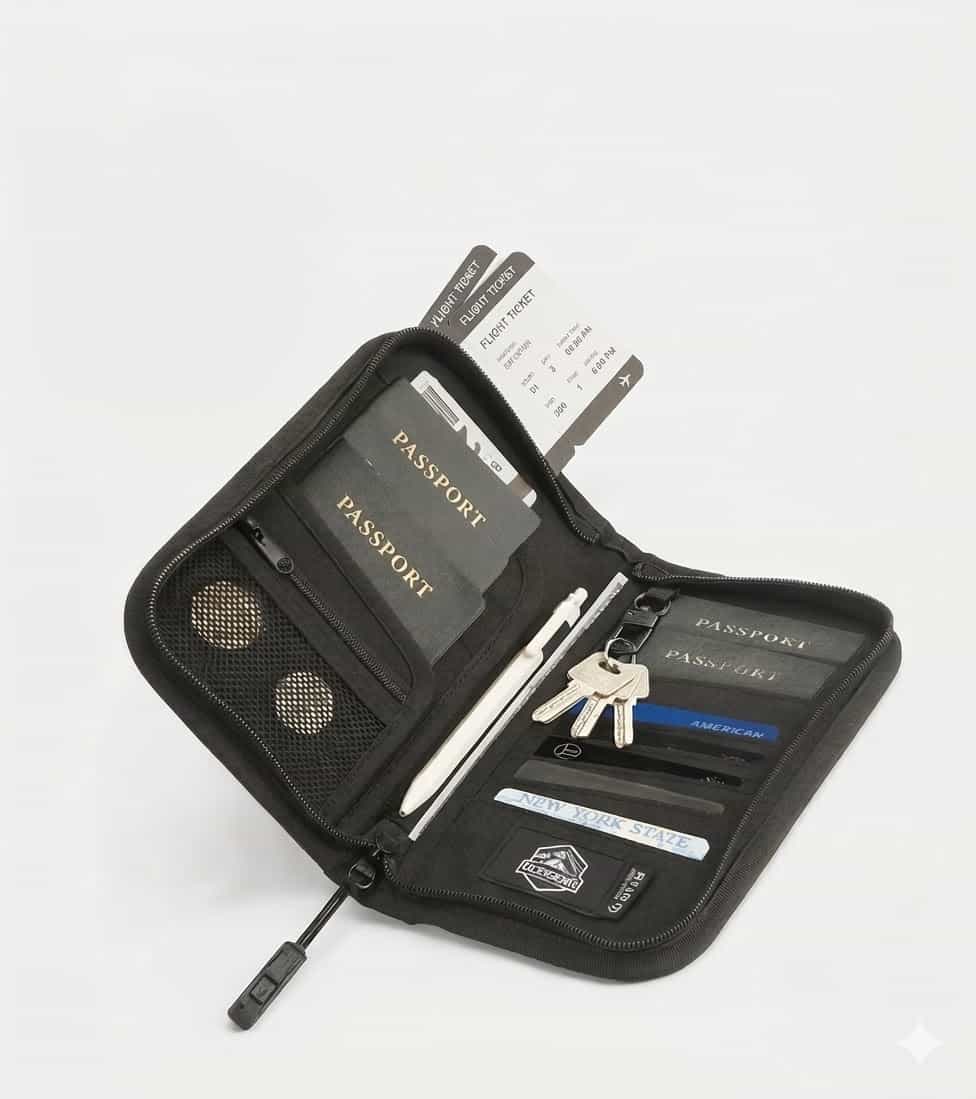
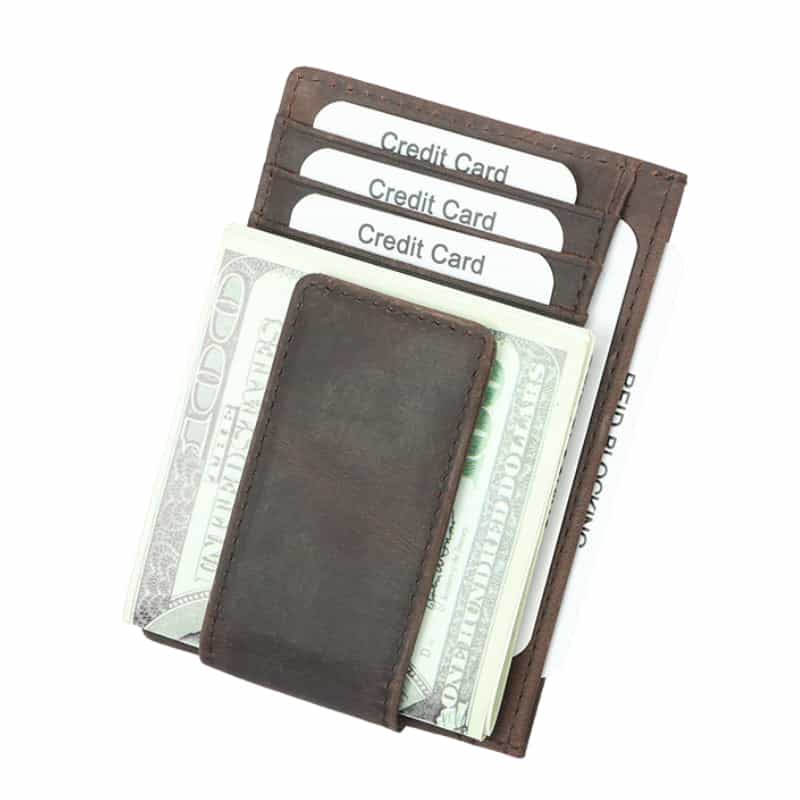
- Documents and valuables: passport, cash, credit cards and keys.
Technology and smart packing: how to track and prevent lost baggage
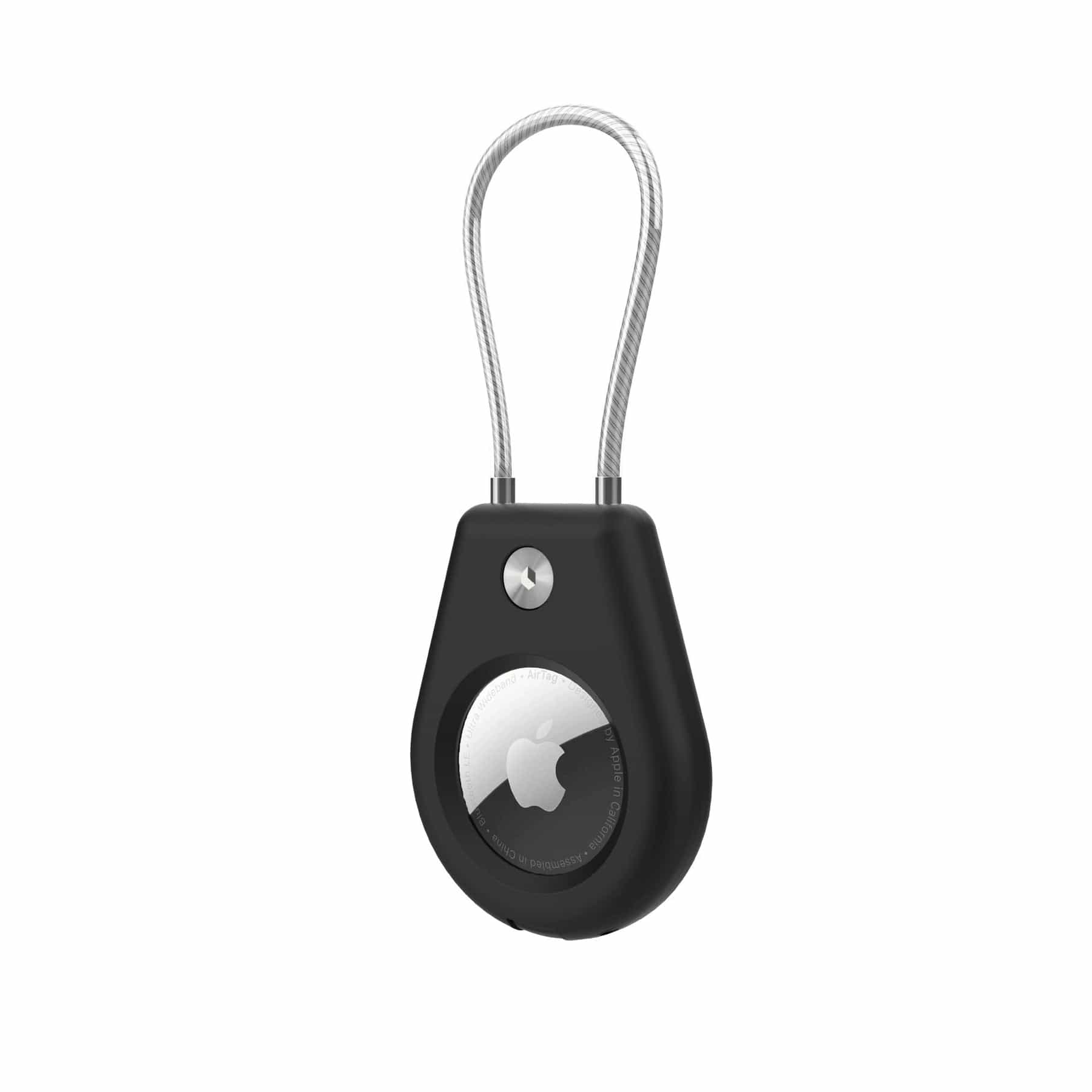
At a time when ground crews are overloaded, technology becomes the best protection for your gear. Using Bluetooth-based trackers (such as the Apple AirTag or equivalent devices) lets you know exactly where your suitcase is at any given moment, straight from your smartphone screen.
In many cases of loss or delay, airlines struggle to find the exact location of the baggage inside huge airports. When you get to the service desk and show the agent your suitcase's exact location on the map, you dramatically shorten the handling time and save yourself a lot of heartache.
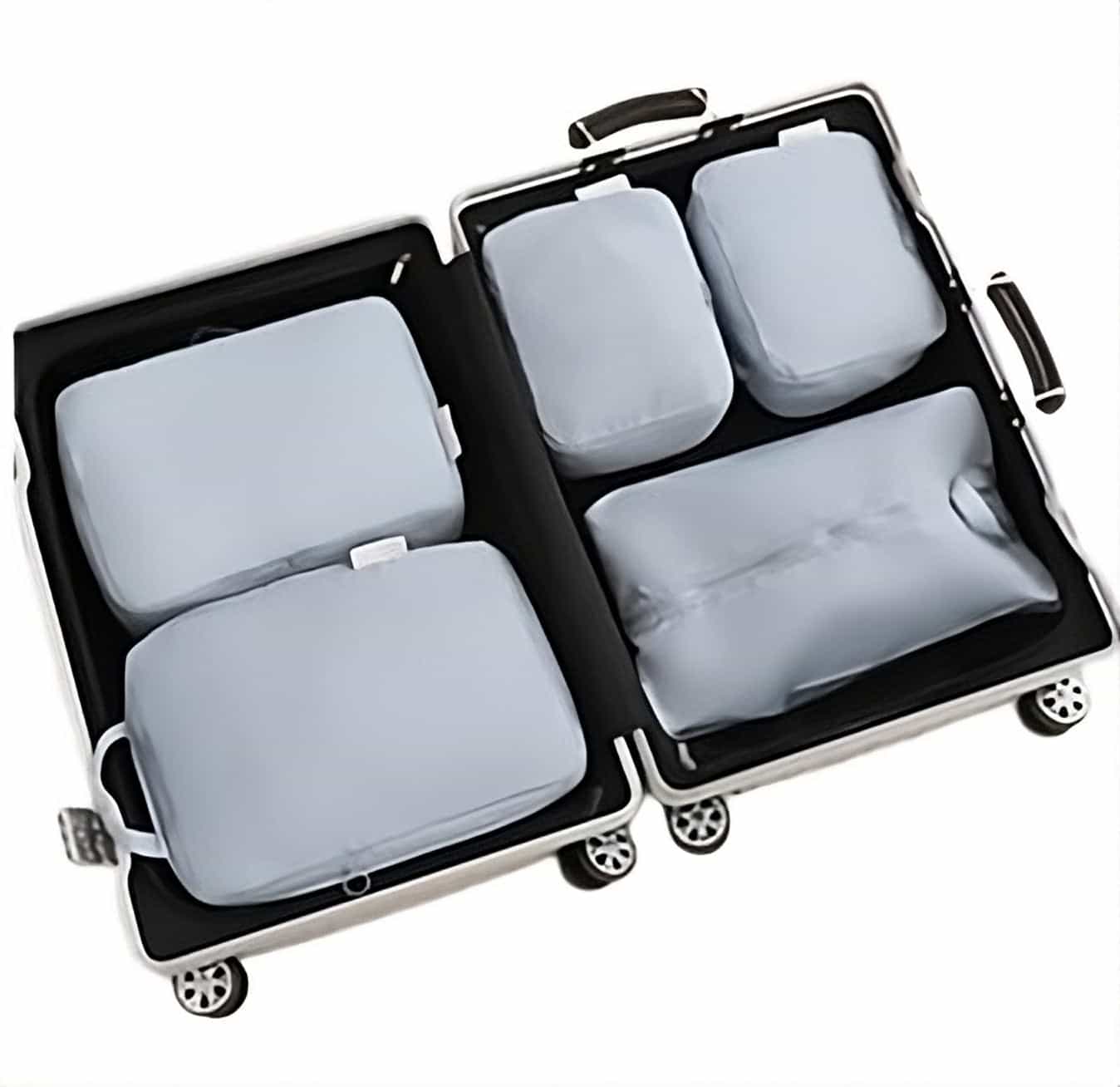
In addition, using packing cubes in the suitcase and the backpack keeps everything perfectly organized. If you are asked at the last minute at the gate to move items from the suitcase to the backpack because of weight or space limits, packing cubes let you do it in seconds, without spreading personal items out in front of all the passengers.
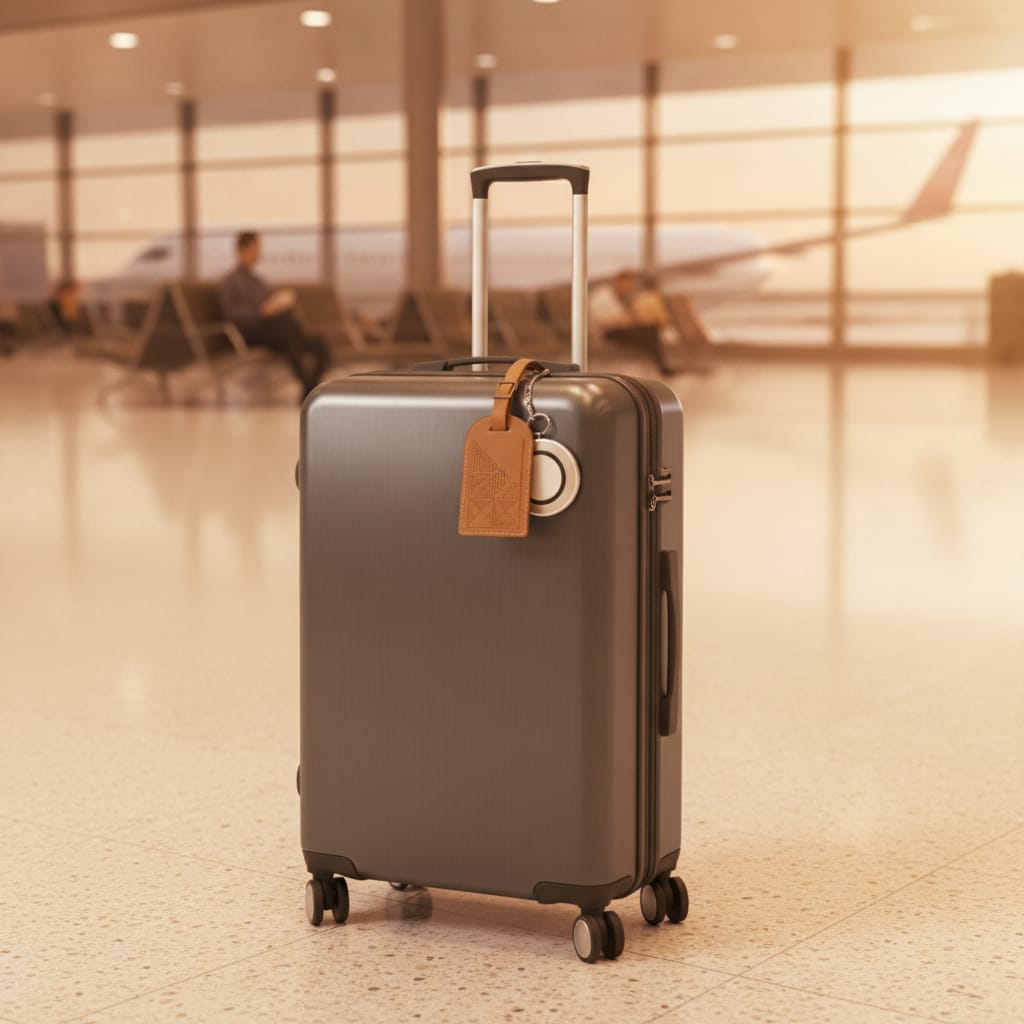
Comparing travel strategies: checking a suitcase versus flying with a backpack only
To help you decide how to get organized for your next flight in this challenging period, we have summarized the pros and cons of the two leading packing methods:
| Comparison point | Large suitcase (hold) | Backpack / trolley (cabin) |
|---|---|---|
| Risk of delay or loss | High (depends on the ground and unloading crews) | None (the gear is always with you) |
| Waiting time at the destination airport | 30 to 90 minutes at the carousel | 0 minutes (straight out to a taxi) |
| Typical packing volume | 60 to 100 liters (suits a long stay) | 20 to 40 liters (requires careful packing) |
| Extra costs on the flight | Usually a significant fee | Free or very low cost |
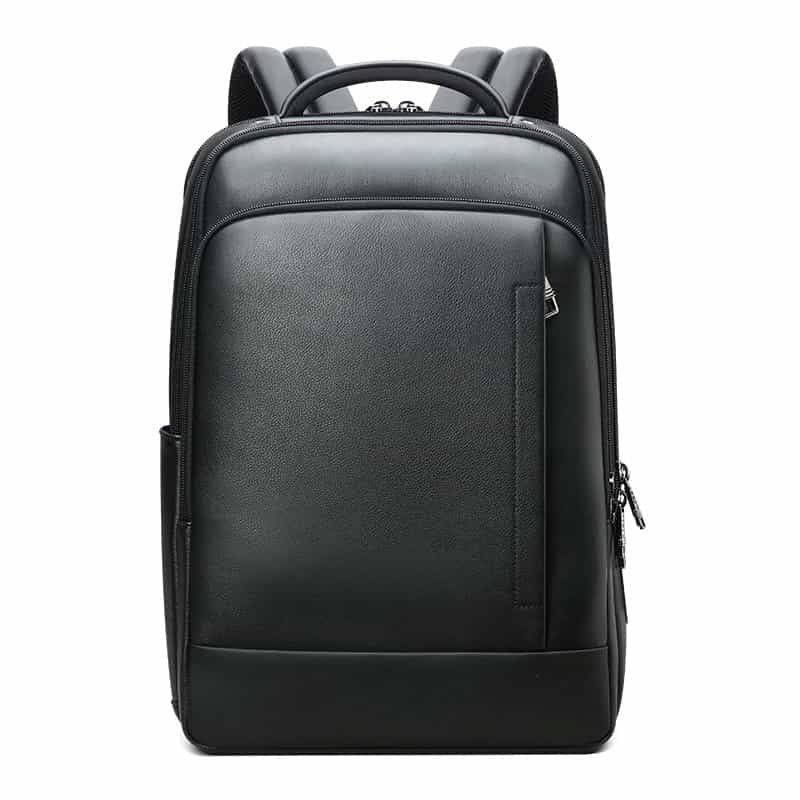
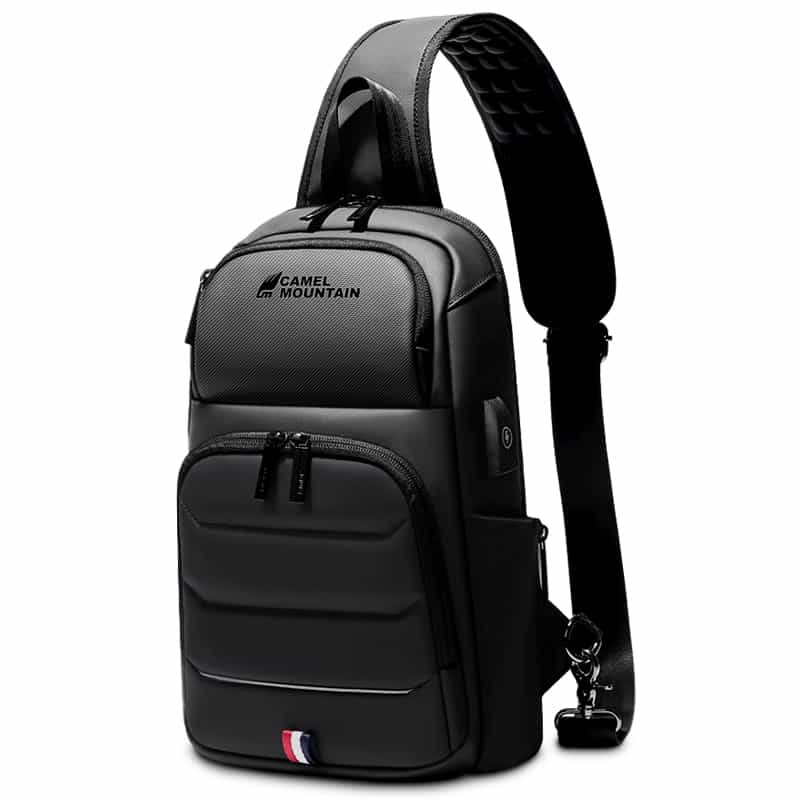
In summary, the current crisis at Ben Gurion Airport highlights the importance of good planning and smart packing. Switching to functional backpacks suited to the cabin, together with digital tracking solutions, will make sure your vacation gets off on the right foot, even if your big suitcase decided to take its time in the hold.
Based on a report: Ben Gurion Airport urgently seeks baggage handlers, Rotter News
Products to help you on the way



Frequently asked questions
What do you do if your suitcase didn't arrive on the carousel at your destination?
Don't leave the arrivals hall before filling in a PIR (Property Irregularity Report) at the baggage loss desk of the airline or the ground handling company. Keep the copy of the form and the baggage sticker you received at check-in, because these are the most essential documents for filing a claim and getting compensation.
Can you put power banks in a checked suitcase?
Absolutely not. International aviation regulations prohibit carrying lithium batteries in the hold because of the fire risk. Power banks, as well as electronic devices with removable batteries, must go with you into the cabin in your carry-on or backpack.
How does an AirTag help me if the airline lost my suitcase?
The AirTag lets you see your suitcase's exact location on the map through Apple's device network. In many cases airlines struggle to find the suitcase in their storage areas, and showing the exact location on your phone to the service agents significantly shortens the time it takes to get it back.
What is the recommended volume for a backpack used as a carry-on?
For short trips, or as a companion bag to a big suitcase, 20 to 35 liters is ideal. It fits the strict size limits of low-cost airlines and makes it easy to pack the essentials for the first two days.
Share this guide
Keep shopping
Our collections related to this guide


