
What Size Backpack Can You Take on a Plane? The Complete Guide to Allowed Dimensions and Volumes
October 23, 2026
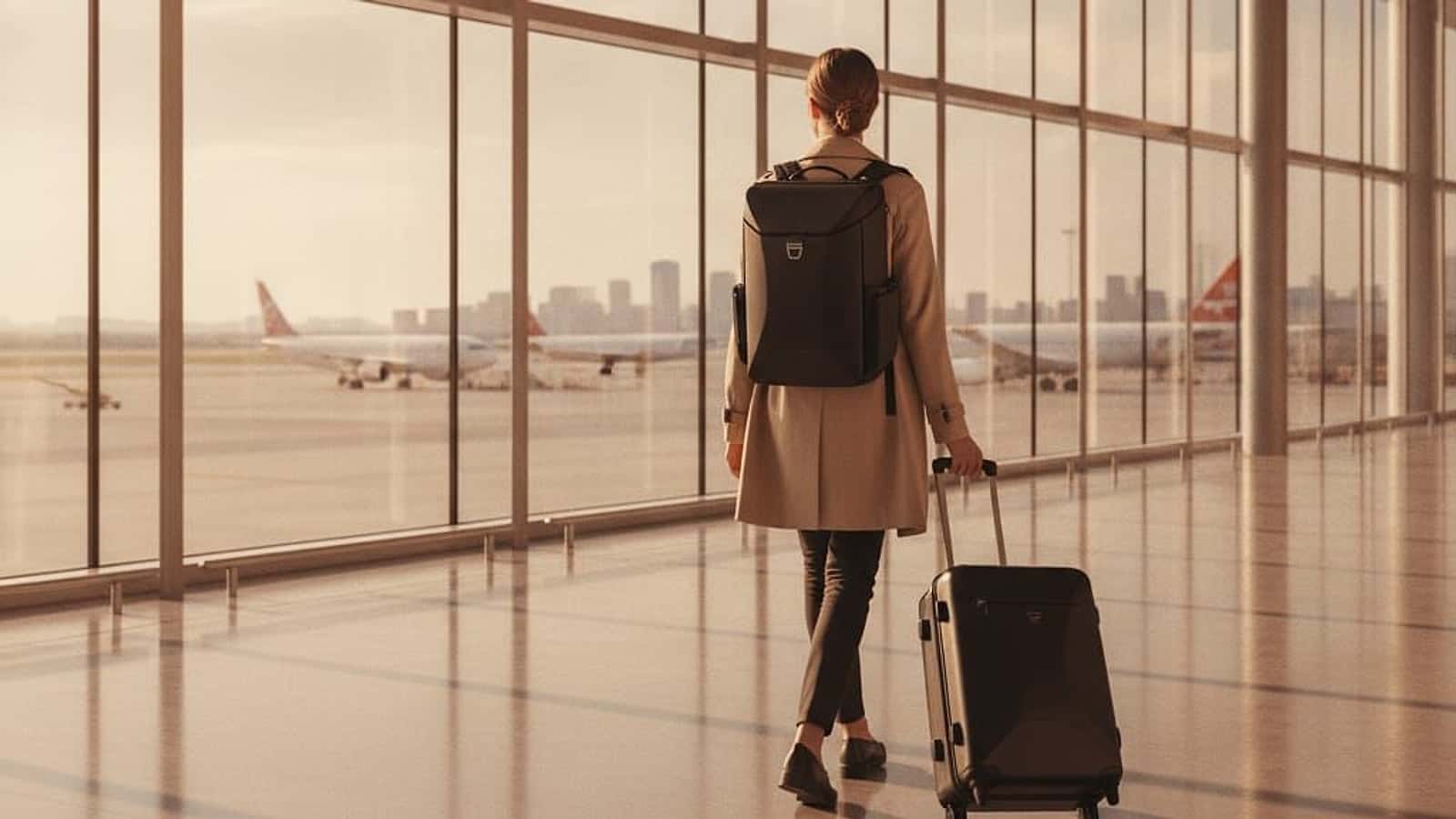
A backpack used as a personal item (under the seat) is usually allowed up to 40x30x20 cm (a volume of 20-25 liters). For a backpack used as cabin baggage (in the overhead bin), the standard allowed size is up to 55x40x20 cm (a volume of 35-45 liters). Going over these dimensions on low-cost airlines can mean steep fees at the boarding gate.
In recent years, the rules of air travel have changed completely. Where we once could board with a carry-on suitcase and a small backpack without anyone asking questions, today airlines, and especially low-cost airlines, measure every centimeter and weigh every gram. Choosing the right backpack for flying is no longer just about comfort or style; it's a financial decision that can save you a lot of money each way.
Personal item vs. carry-on: the differences you need to know
So you don't end up paying unnecessary fees at the boarding gate, it's important to understand the fundamental difference between the two types of baggage you can bring into the cabin:
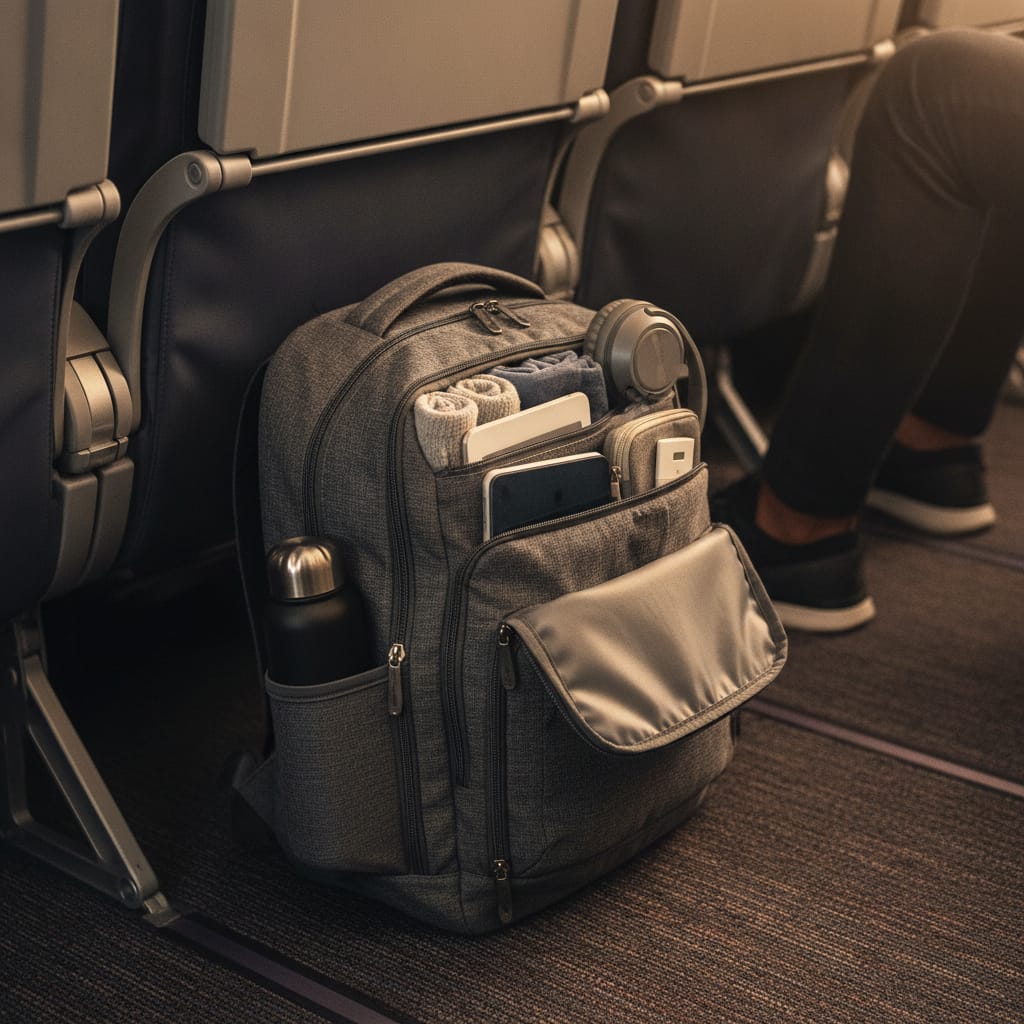
- Personal item (underseat bag): a bag that must fit entirely under the seat in front of you. On most airlines (such as Ryanair and Wizz Air) it is the only bag included in the basic fare. Its dimensions are around 40x30x20 cm, and the recommended volume is 20 to 25 liters.
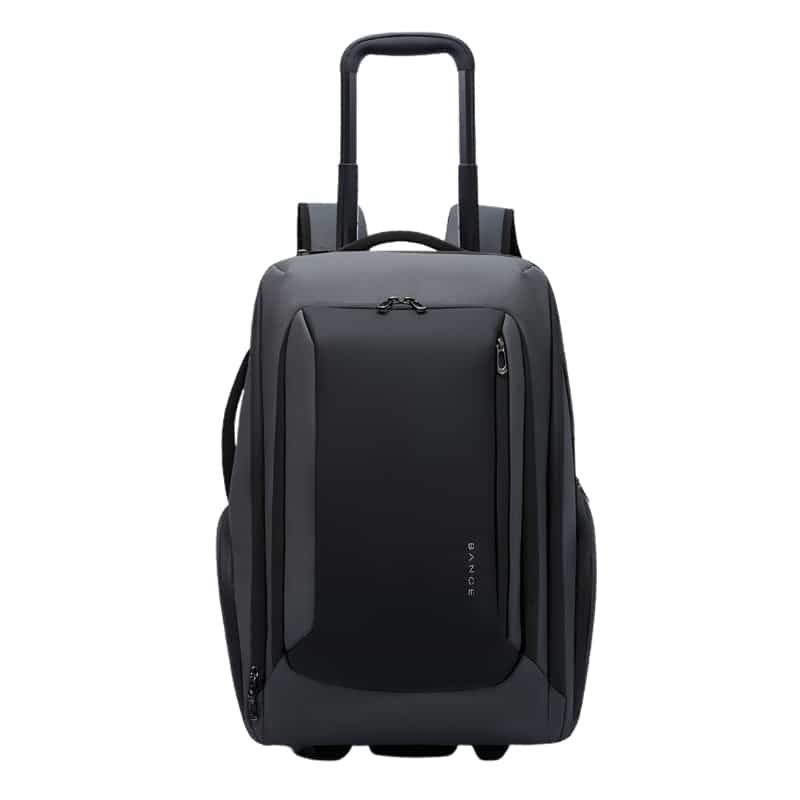
- Carry-on (overhead cabin bag): a larger backpack or small suitcase meant for the overhead bin above the passengers' heads. This baggage usually costs extra (or requires a Priority ticket). The standard dimensions are 55x40x20 cm, and the volume ranges from 35 to 45 liters.
Comparison table: allowed backpack dimensions at leading airlines
Every airline has its own definitions, and sometimes a difference of just 2 cm decides whether your bag goes through smoothly or gets sent to the hold for a hefty fee. Here are the current dimensions at the most popular airlines:
| Airline | Baggage type | Maximum dimensions (cm) | Recommended volume (liters) | Key notes |
|---|---|---|---|---|
| Ryanair | Free personal item | 40 x 25 x 20 | 20L | Very strict, they measure in a metal sizer at the gate. |
| Wizz Air | Free personal item | 40 x 30 x 20 | 20L - 24L | Maximum weight for a personal item: 10 kg. |
| EasyJet | Free personal item | 45 x 36 x 20 | 25L - 30L | Allows a slightly larger free bag than its competitors. |
| El Al | Carry-on (trolley) | 56 x 45 x 25 | 38L - 45L | Included in Classic fares. Maximum weight: 8 kg. |
| Full-service airlines (Lufthansa, Turkish) | Carry-on + personal item | 55 x 40 x 23 | 35L - 40L | Usually allow both a backpack and a small shoulder or laptop bag at no extra charge. |
How to choose the right bag volume for your trip
The volume of the bag (in liters) should match the nature of your trip and the type of ticket you bought. At Camel Mountain, drawing on decades of experience with travelers, we divide backpacks into three main volume categories:
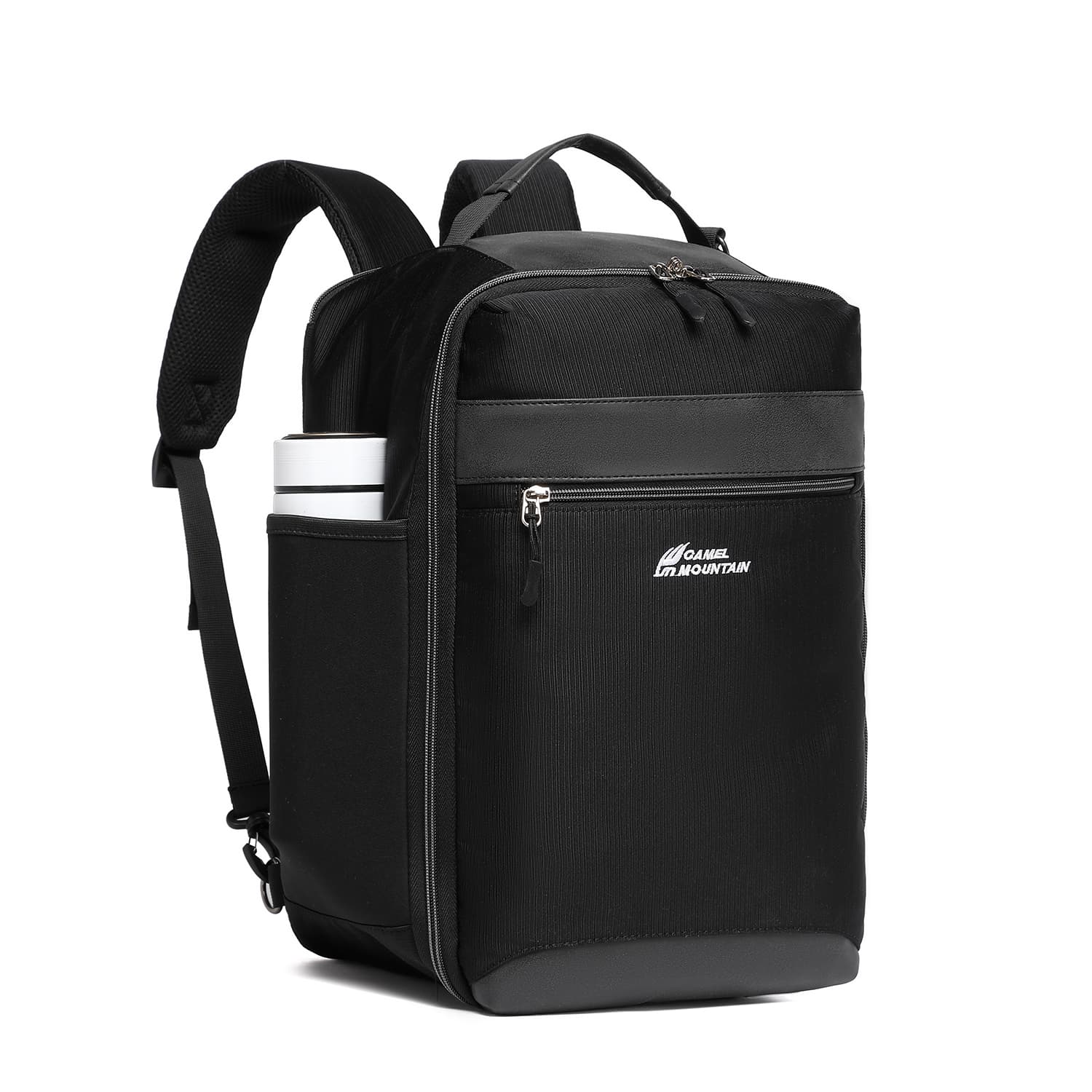
15-25 liters: the perfect daypack and personal item
This is the safest range for anyone who wants to fly with peace of mind without paying a cent more for baggage. Bags of this volume are designed to hold a laptop, documents, chargers, a couple of changes of clothes and basic toiletries. They are especially suited to short two-day business trips or as a companion bag to a large suitcase sent to the hold.
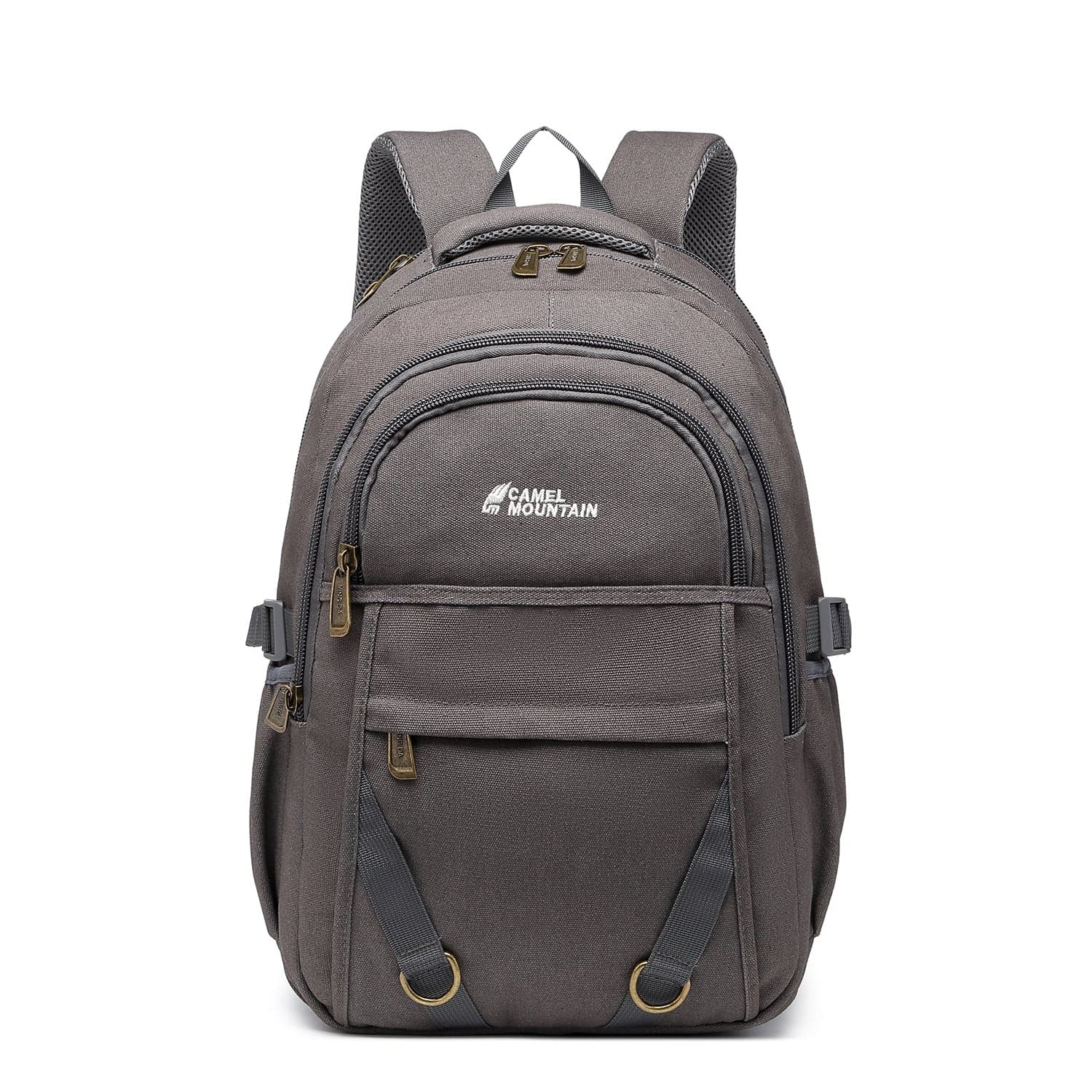
30-40 liters: the king of one-bag travel (a long weekend)
If you're heading off on a 3 to 5 day vacation in Europe and want to skip the exhausting wait at the baggage carousel altogether, this is the volume for you. A 30-40 liter backpack makes the most of the allowed carry-on dimensions. It offers generous storage space and dedicated compartments for shoes and clothes, while still keeping a compact shape that's easy to carry on your back.
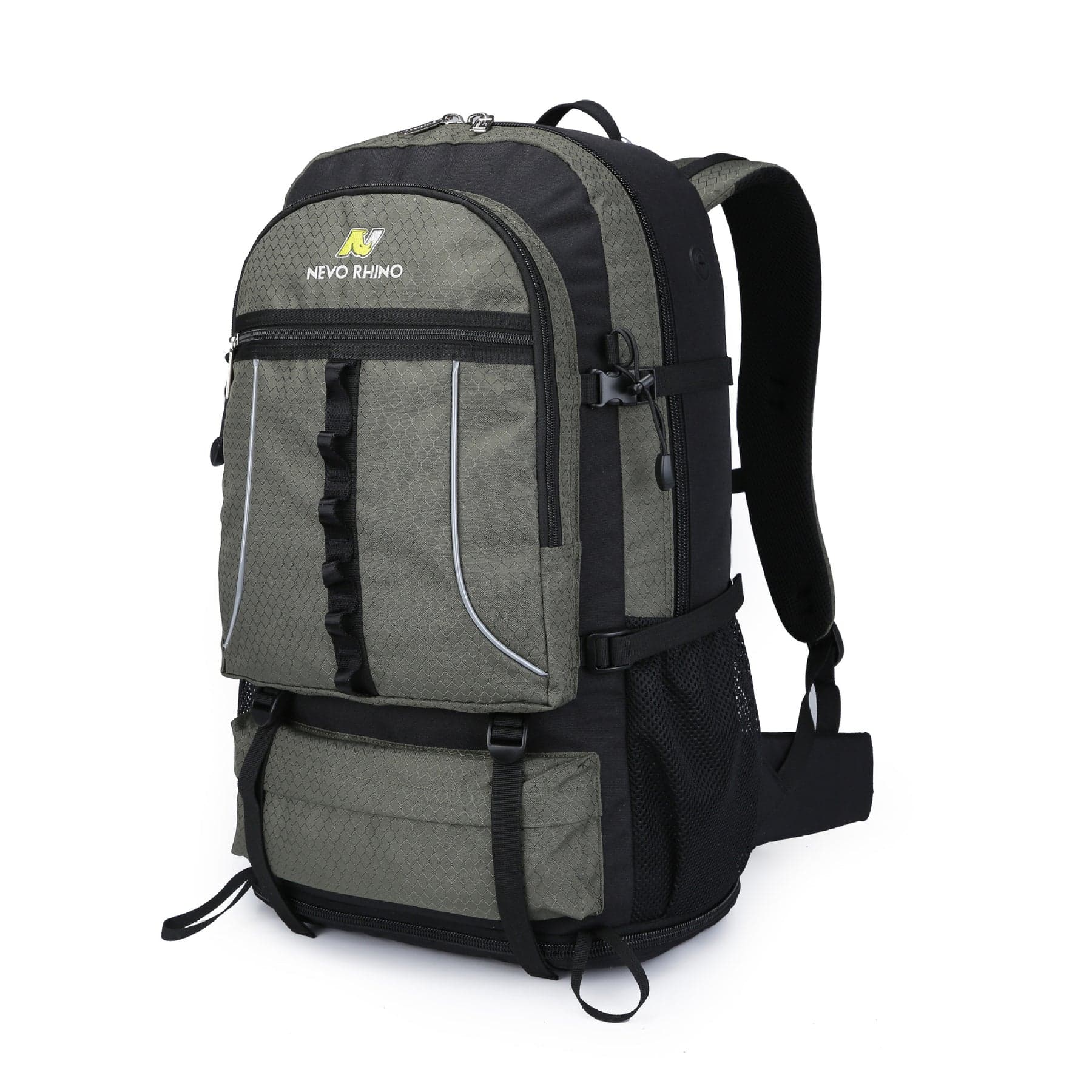
45 liters and up: for treks, journeys and long trips
These bags count as travel packs. They suit anyone planning a longer trip, treks in nature or frequent moves between cities. Note that a bag of this volume will almost always exceed personal item dimensions and count as paid cabin baggage, and sometimes it will even have to go in the hold if it's packed to the brim.
The materials a bag is made of: why do they affect its real-world dimensions?
When you buy a backpack for flying, the quality of the fabric and stitching plays a decisive role in its real-world dimensions. Cheap bags tend to lose their original shape as soon as you fill them, making them puff up like a balloon and exceed the allowed dimensions. Bags made from durable materials such as dense canvas, Cordura or water-repellent polyester, on the other hand, keep a defined, streamlined shape even when completely full.
In addition, strong, high-quality zippers let you put pressure on the bag when closing it without worrying that they'll tear at the crucial moment at the airport. At Camel Mountain we put huge emphasis on the durability of zippers and seams, knowing that a travel bag takes heavy wear in transit, at security checks and under airplane seats.
Practical tips from the pros: get through the check without drama
Once you've chosen a bag in the right size, here are a few methods that will ensure a fast, smooth passage through the airport:
- Prefer a flexible bag (canvas or ballistic nylon): unlike hard-shell suitcases, a backpack made of quality, flexible fabric can be "squeezed" when needed. If you meet a strict agent at the gate who asks you to put the bag in the sizer (the cage), a flexible bag that wasn't overpacked will slide in easily with a little gentle pressure.
- Use compression straps: external compression straps are one of the most important features of travel bags. They let you reduce the bag's overall volume and flatten it after packing, making sure it meets the airline's depth limits.
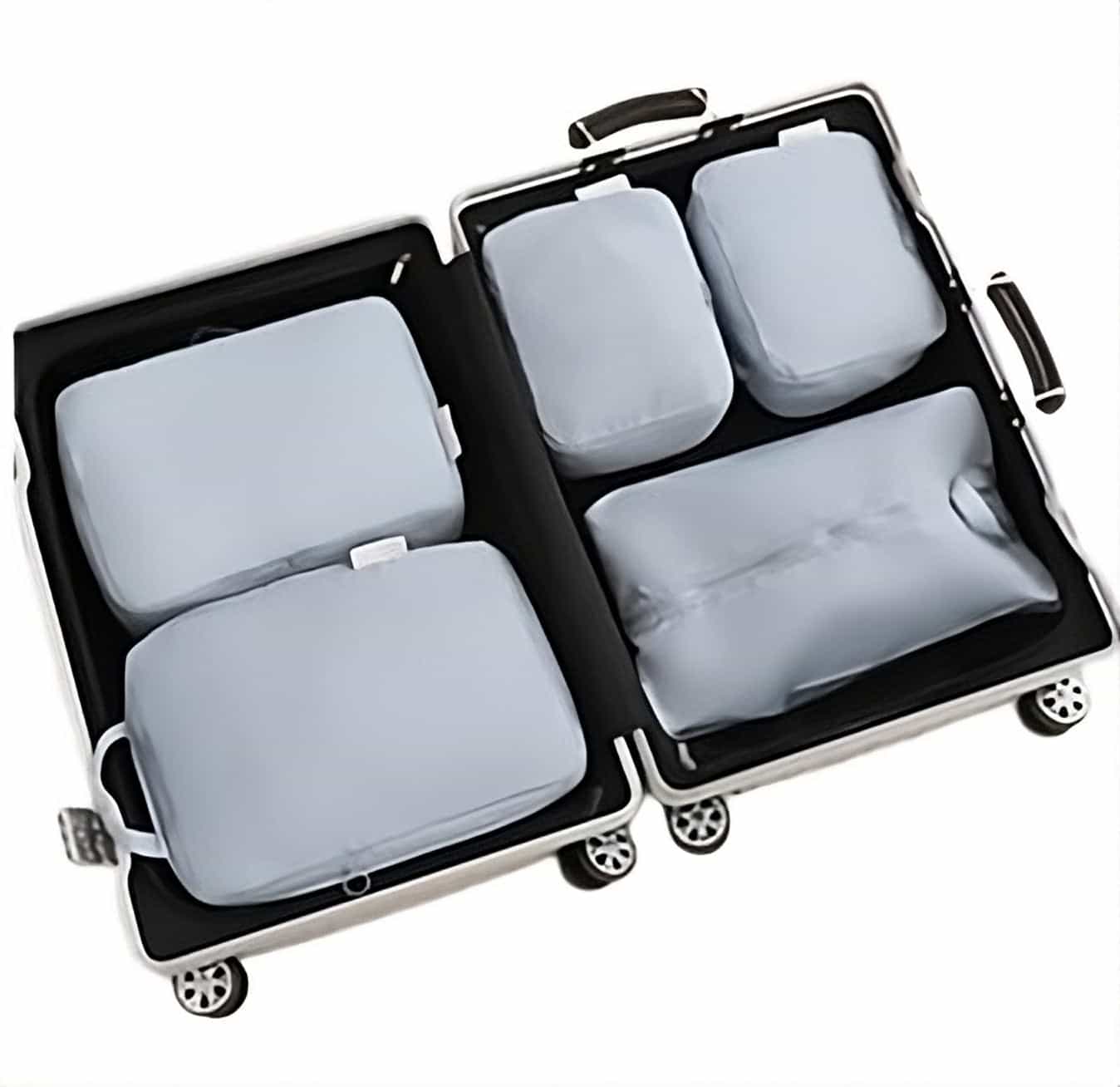
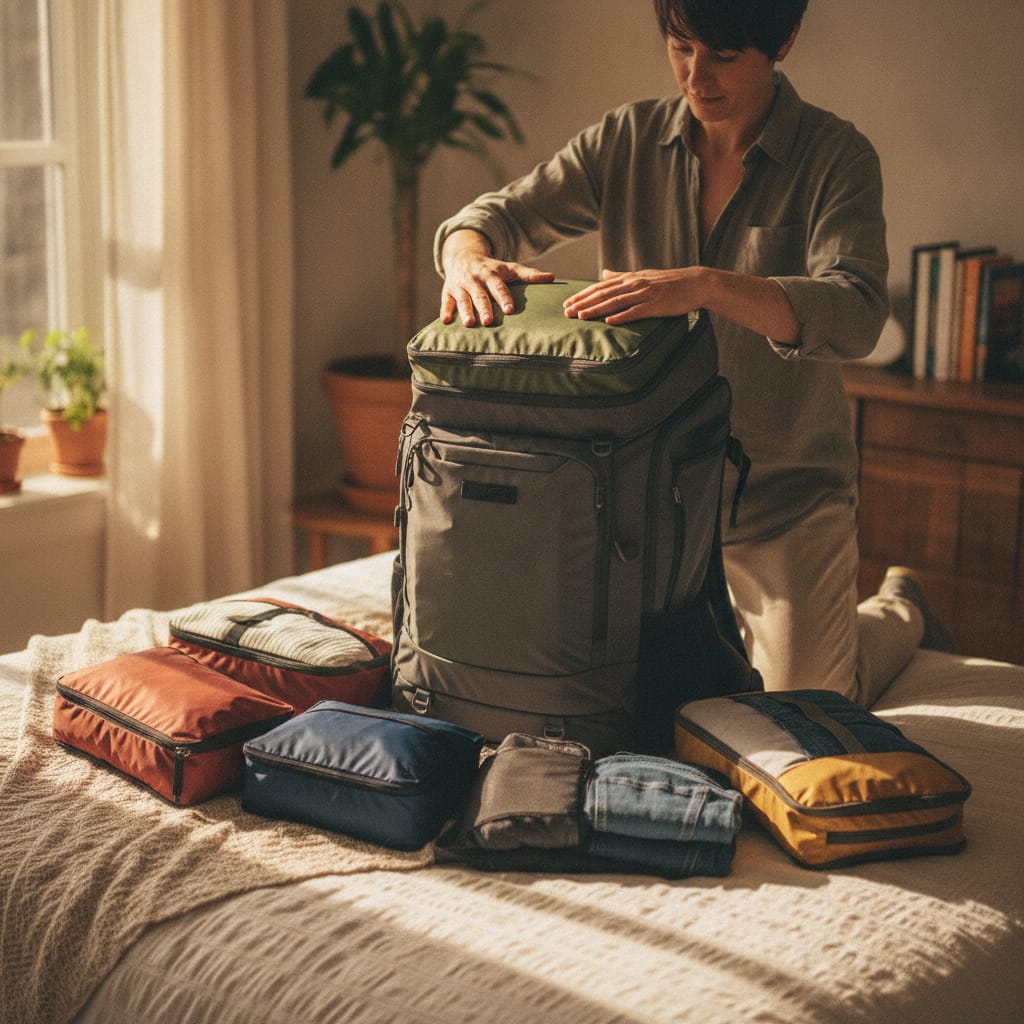
- Organize the bag with packing cubes: a set of packing cubes not only keeps your clothes organized, it also squeezes the air out of them and lets you fit up to 30% more gear into exactly the same volume.
- Wear your heavy clothes: if your bag is borderline in weight or volume, wear the heavy coat, the jeans and your bulkiest shoes during the flight. Leave the light, thin items in the bag.
In short, choosing the right backpack size for flying combines understanding the airlines' rules with matching the bag to your personal needs. Investing in a quality, ergonomic, durable backpack in the right dimensions is the first step toward a smooth, economical, worry-free vacation.
Products that will help you on the way


Products in this guide
Frequently asked questions
Does a regular backpack count as a free personal item?
Yes. At the vast majority of airlines, a standard backpack (such as a school bag or a laptop bag) that doesn't exceed 40x30x20 cm counts as a personal item and goes free under the seat in front of you.
What happens if my bag is 2 cm bigger than allowed?
Low-cost airlines are very strict about this. If the bag is flexible and not completely full, you can squeeze it into the sizer. If it's rigid or too stuffed to fit in the sizer, you'll have to pay a fee of tens of euros at the boarding gate.
Is a hard or soft backpack better for flying?
A soft or semi-rigid backpack is much better for flying. The flexibility of the fabric lets you squeeze the bag into the airport sizers and under the seat far more easily than a rigid bag with fixed dimensions.
What is the ideal volume for a backpack that replaces a carry-on?
The ideal volume for a backpack used as a carry-on (cabin baggage for the overhead bin) is 35 to 45 liters. This volume makes the most of the allowed dimensions (55x40x20 cm) and lets you pack clothes for 4 to 7 days without needing another suitcase.


