
Camping Gear Checklist: What to Pack for a Weekend Outdoors, Kids Included
October 23, 2026
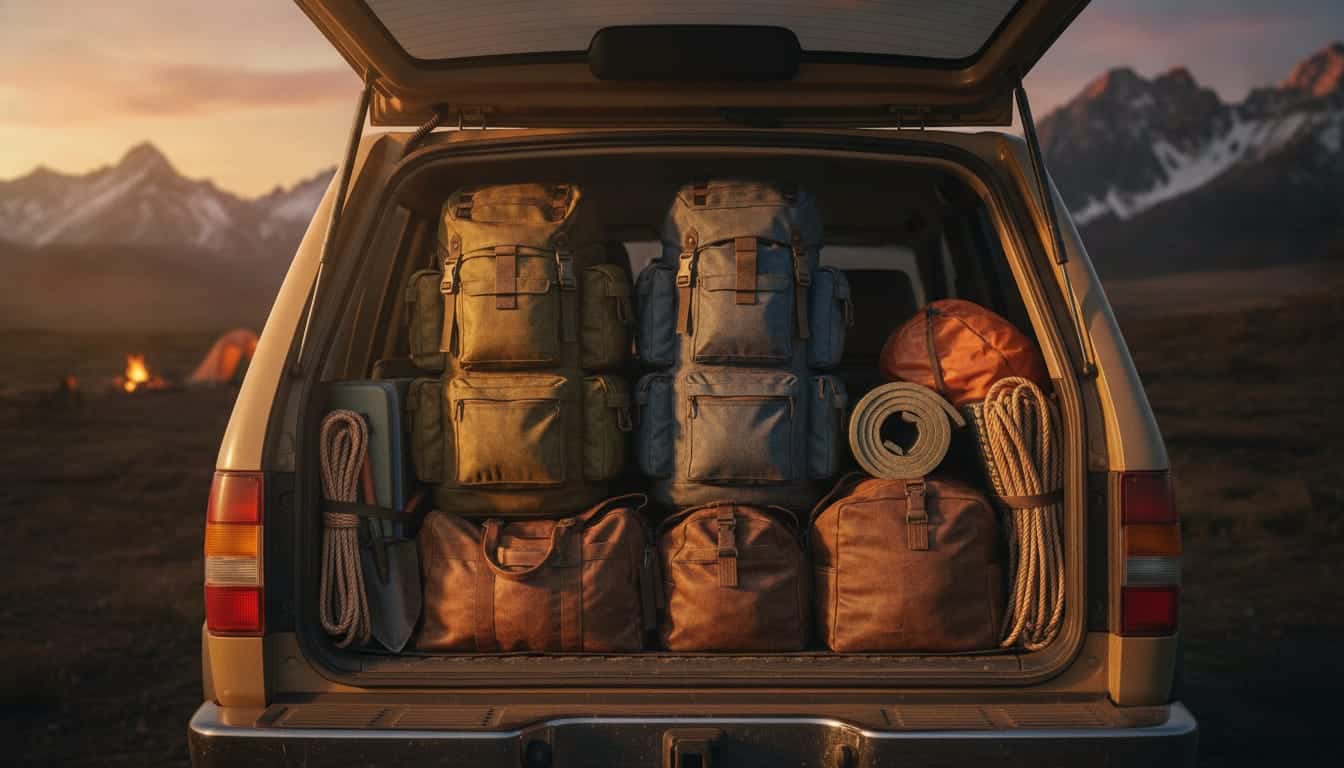
For a weekend of camping you need six groups of gear: sleeping (tent, pad, sleeping bag), cooking and drinking, lighting, layered clothing, hygiene and organization, and a first aid kit. With kids, add spare clothes, a flashlight for each child and games. The thing most people forget: the cold at night rises from the ground, so an insulated sleeping pad matters just as much as the sleeping bag.
Sleeping: the tent, the pad and the sleeping bag
- A tent, stakes and a mallet, plus a few spare stakes.
- A groundsheet or tarp under the tent, which protects the floor from moisture and stones.
- A pad for each person, or a double pad for a couple or a parent with a child.
- A sleeping bag suited to the expected temperature at night, not during the day.
- A pillow, or a bag of soft clothes that works as one.
- Folding chairs and a small table, if there is room in the car.
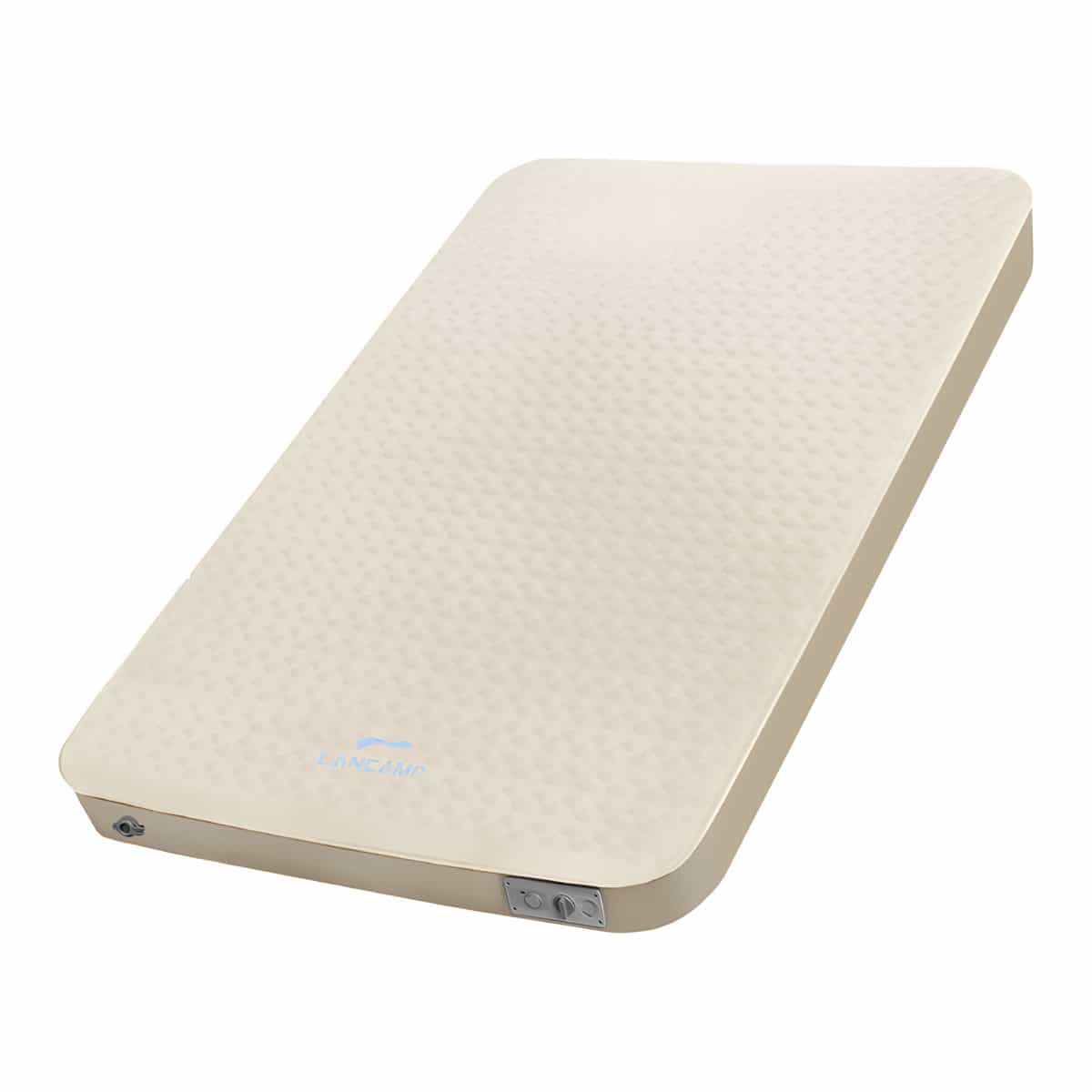
Don't skimp on the pad. A self-inflating pad combines foam that insulates you from the ground with air that adds comfort, and it packs into a roll. On our site you will find the Dolomiti camping pad, a self-inflating pad with a built-in pump: turn a dial on the side and it fills up. It has 10 cm thick foam, and according to the manufacturer its insulation value (R) is 10.7. It comes as a single (200×73 cm) or a double (200×132 cm). We cover the differences between air, foam and self-inflating pads in the guide how to choose a camping pad.
Cooking and drinking
- A camping stove, a full gas canister and a spare, a lighter and matches.
- A pot, a pan, a kettle, a sharp knife and a cutting board.
- Plates, cups and cutlery for everyone, plus a sponge and dish soap.
- A cooler with ice packs, and food that suits days without a fridge.
- Lots of water: for drinking, cooking and rinsing. Out in the field without a tap, water is the first thing to run out.
- Trash bags. Whatever you brought in, you take out with you.
Lighting and power
- A headlamp for everyone. It keeps your hands free for cooking and pitching the tent in the dark.
- A flashlight or lantern to hang inside the tent.
- Spare batteries and a power bank for the phones, with cables.
Clothing: think in layers
Even after a hot day, the night outdoors can be cold, especially in the desert and up north. So pack layers rather than one thick garment:
- Short and long sleeve shirts, and a fleece or sweater.
- A warm jacket and a wool hat for the evening.
- Separate clothes for sleeping, which stay dry.
- Spare socks, because a wet sock chills the whole body.
- Closed shoes for walking, and flip-flops for camp and the shower.
- A hat and a long sleeve shirt against the sun during the day.
Hygiene and organization
- A towel, toilet paper, wet wipes and hand sanitizer.
- Toothbrushes, toothpaste, soap and shampoo in small bottles.
- Sunscreen and insect repellent.
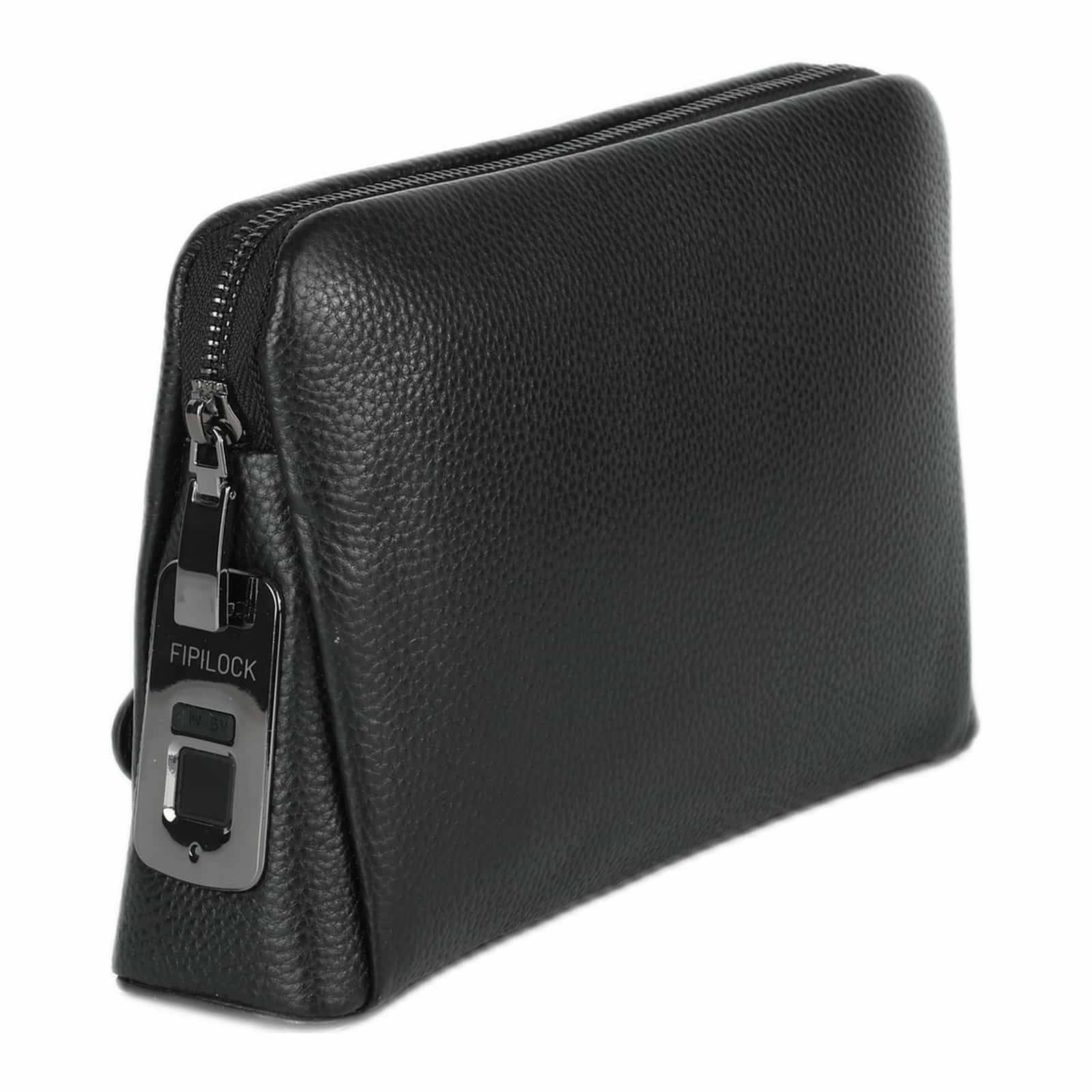
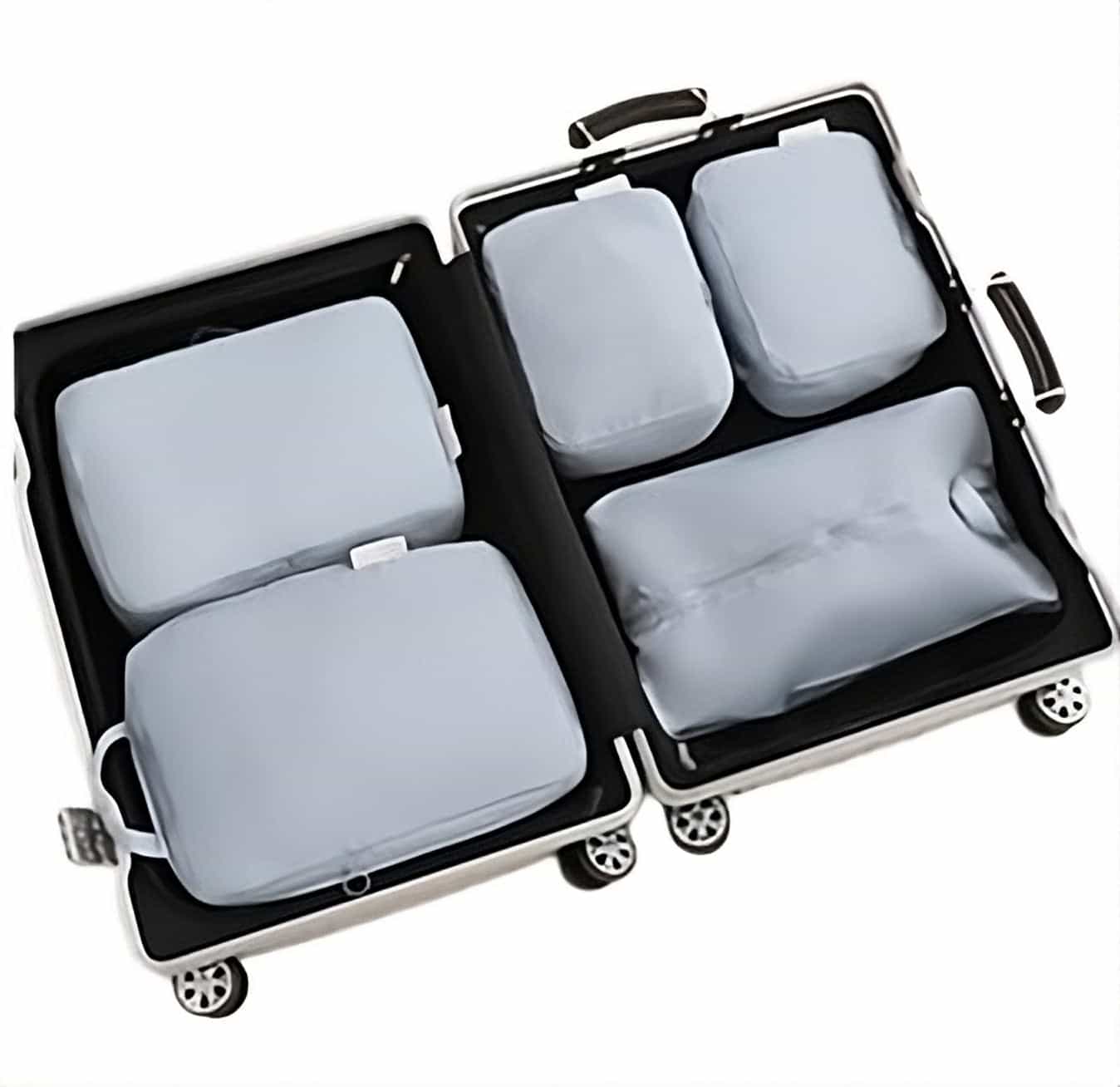
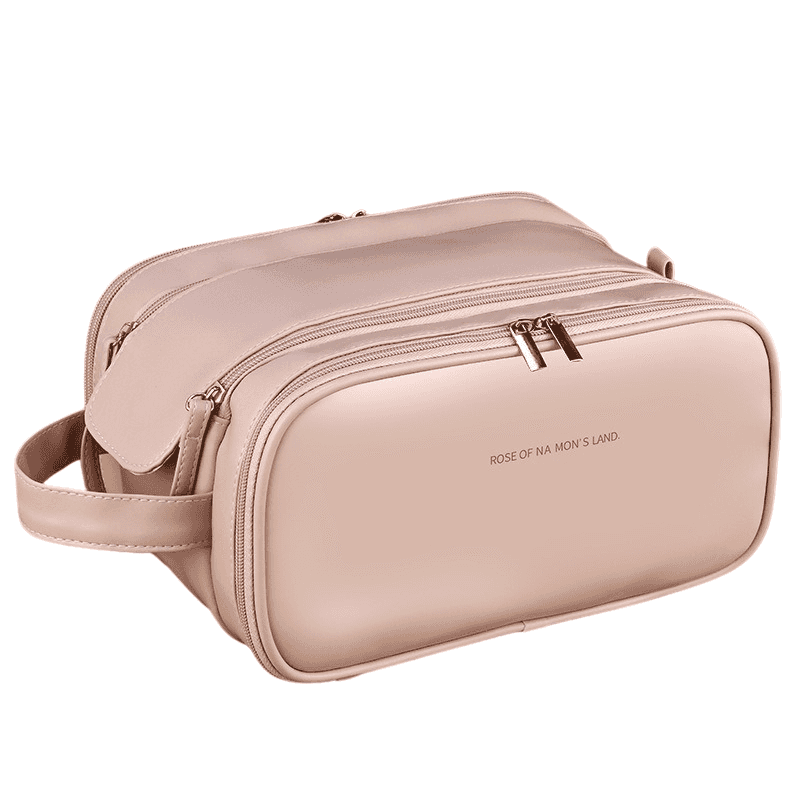
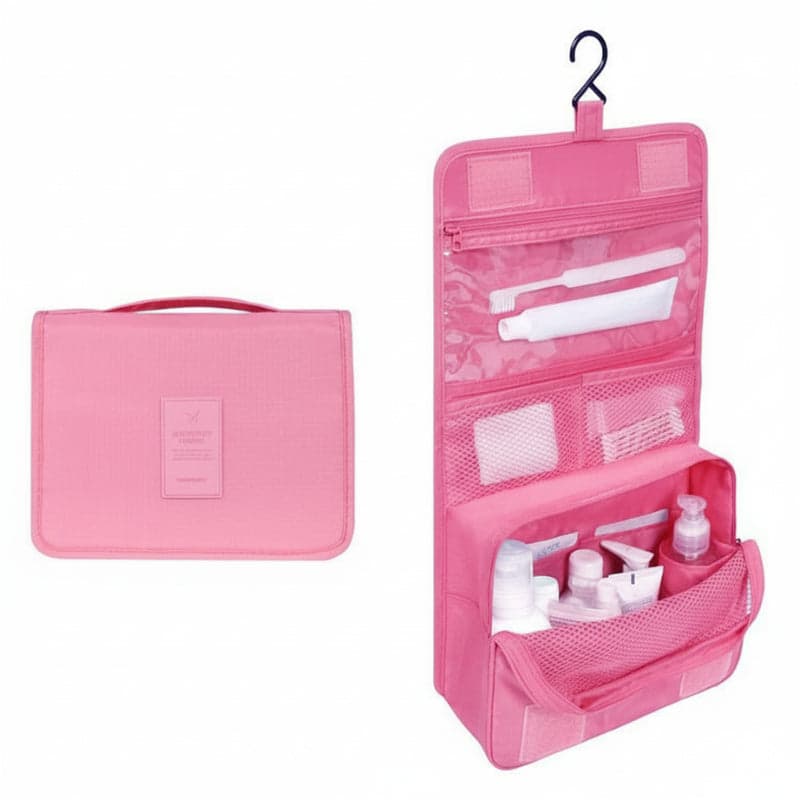
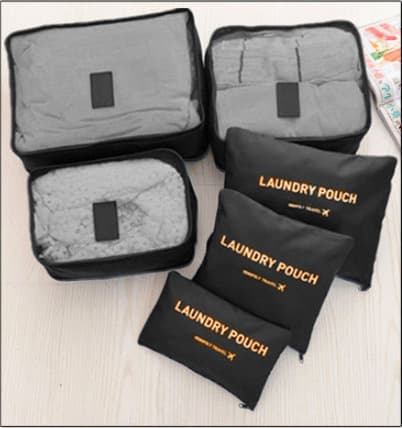
At camp there is no shelf next to the sink, so a hanging toiletry bag makes a difference: the Varnyx Platinum hangs from a branch or a hook in the tent, and it has a compartment that separates wet from dry, so spilled shampoo doesn't soak everything else. You will find more models among our toiletry bags. So you don't have to dig for clothes in a pile, give each family member a bag or packing cube of their own. The River packing cube set includes 3 cubes for clothes and 3 pouches for shoes, accessories or dirty laundry.
First aid kit
- Band-aids in several sizes, bandages and sterile pads.
- Wound disinfectant.
- A pain reliever and something for insect bites and sunburn.
- Tweezers for thorns and ticks.
- Each participant's regular medications, enough for an extra day.
What to add when camping with kids
- An extra set of clothes for each child. Kids outdoors get dirty and wet fast.
- A small flashlight of their own. With a flashlight, leaving the tent at night is much less scary for a child.
- A deck of cards, a ball or a book, for what happens after dark.
- Snacks and drinks within reach, not at the bottom of the cooler.
- A sleeping bag in their size, or a spot on a double pad next to one of the parents.
We have tips for organizing the kids' bag in the guide packing a hiking bag for kids, and for a one-day trip without an overnight stay, in the guide to packing for a day trip.
How not to freeze at night
Your body warms whatever is underneath it, and the ground pulls that heat away all night. That is why a warm sleeping bag is not enough on its own:
- An insulated pad under every sleeper. A higher R value means a warmer pad.
- A groundsheet under the tent, which blocks moisture from the ground.
- Change into dry sleeping clothes, and don't get into the bag in clothes you sweated in during the day.
- A wool hat and dry socks at night.
- Eat something warm before bed and get into the bag while your body is still warm.
What almost everyone forgets
- Spare stakes and a mallet. A stake that bends in hard ground stops the whole tent setup.
- A knife or pocketknife, and aluminum foil for cooking on the fire.
- A bag for wet and dirty clothes, so they don't mix with the clean ones.
- A car charger and an offline map on the phone, in case there is no signal.
- A tent that was checked at home before leaving: intact, with all the poles.
How to pack the car
- Heavy and big items at the bottom: the cooler, kitchen boxes, gas canisters.
- What you need first goes in last and on top: the tent, the flashlights and the water. That way you set up camp before dark without unloading the whole car.
- One bag per person, not one shared bag for everyone.
- Water and drinks for the drive inside the car, not in the trunk.
- Rolled pads and sleeping bags fill the gaps between the boxes.
The full printable checklist
| Group | What to bring | ✓ |
|---|---|---|
| Sleeping | Tent, stakes, mallet, groundsheet, pad, sleeping bag, pillow | ☐ |
| Seating | Folding chairs, small table | ☐ |
| Cooking | Stove, spare gas, lighter, pot, pan, kettle, knife, cutting board | ☐ |
| Food and water | Cooler, ice packs, food, lots of water, dishes, dish soap, trash bags | ☐ |
| Lighting | Headlamp for everyone, tent lantern, batteries, power bank | ☐ |
| Clothing | Layers, jacket, wool hat, sleeping clothes, spare socks, shoes, flip-flops | ☐ |
| Hygiene | Towel, toilet paper, wipes, toiletry bag, sunscreen, insect repellent | ☐ |
| First aid | Band-aids, bandages, disinfectant, pain reliever, tweezers, regular medications | ☐ |
| Kids | Change of clothes, personal flashlight, games, snacks | ☐ |
We gathered the pads and the rest of our outdoor gear in the camping and outdoor gear category.
Products in this guide

Frequently asked questions
What is the most important thing to bring on a first camping trip?
Beyond the tent, an insulated sleeping pad and a sleeping bag suited to the night temperature. Most people who suffer on their first camping trip suffer from cold coming up from below or a stiff back, not from missing kitchen gear. Plenty of water and a headlamp for everyone come next.
A double sleeping pad or two single pads?
A double pad is comfortable for a couple or a parent with a small child, and shifts less during the night. Two single pads are more flexible, fit into a narrow tent too, and each person can adjust their own firmness. The Dolomiti comes in both options.
How do you keep food cold for two nights?
A good cooler, ice packs frozen solid at home, and opening it as little as possible. Put what you eat on the first evening on top, and what needs to last until the second day deep down next to the ice packs. The rest of the time, keep the cooler in the shade.
Where do you put the toiletry bag at camp?
A bag with a hanging hook can hang from a branch, from the shade canopy pole or inside the tent, so it doesn't get dirty on the ground. A separate wet compartment keeps the towel and clothes dry after a shower.
How long before the trip should you start packing?
Go over the checklist a few days before, so there is time to buy whatever is missing and to check that the tent is intact and the pad holds air. Pack the food and ice on the day you leave.


