

Can You Take Walking Poles on a Plane? Almost Never in Your Carry-On, Yes in Your Suitcase
October 23, 2026

Trekking poles almost always need to travel in a suitcase checked into the hold, not in your carry-on. At security screening their metal tip is treated as a sharp object, so at most airports they won't be allowed through. A medical walking cane that you lean on is a different story: it goes through the X-ray and boards the plane with you.
Why trekking poles don't get through security
The problem is not the pole itself but its tip. Trekking poles have a hard metal tip, and at screening it is treated like any other sharp object. The Israel Airports Authority states in the Ben Gurion Airport security guidelines that sharp objects found in carry-on bags will not be allowed on board, and the list there includes scissors, knives, pocketknives, files and tools.
In the UK it is spelled out: on the government's official list, walking and hiking poles are banned in hand luggage and allowed in checked baggage. Even if the poles fold and fit inside your backpack, they are still trekking poles, and the X-ray machine sees them.
The rules in Israel, the UK and the US
| Where | In carry-on | In checked luggage |
|---|---|---|
| Israel (Ben Gurion Airport) | Sharp objects are not allowed on board. Poles with metal tips go in the suitcase | Allowed |
| United Kingdom | Not allowed, according to the government's official list | Allowed |
| United States (TSA) | Poles with blunt tips are allowed, poles with sharp tips are not | Allowed |
Note the US row: there too, the final decision belongs to the officer in front of you, and the TSA says so explicitly. And one more thing that is easy to forget: you fly out and back. Poles that got through at one airport can be stopped at another on the way home, and then you are left with two unpleasant options: check a bag for a fee at the last minute or leave them behind.
The rules were checked on the official websites at the end of September 2026. Security procedures change, so before a flight it is worth glancing at your airline's baggage page too.
Medical walking canes, crutches and walkers
If you lean on a cane to walk, you don't have to give it up. The US TSA allows a cane in both carry-on and checked baggage, and it simply goes through screening like any other item. If you are flying with a cane, crutches or a walker, let the airline know in advance and ask for assistance at the airport if you need it. That way the crew at the gate also knows the cane is a walking aid and not hiking gear.
And what about a trekking pole you actually use as a walking aid? There is no single answer here. If it looks like a trekking pole with a tip, the officer can refuse it. If you need support for walking in the airport and on the plane, it is better to fly with a regular cane with a rubber tip and send the trekking poles in your suitcase.
How to pack walking poles in a suitcase
- Fold or collapse them fully. The folded length is usually printed on the pole or its packaging. That is the number that decides which suitcase it will fit in.
- Cover the tips. The rubber protectors that came with the poles protect both your clothes and the suitcase lining. No protectors? A thick sock and a rubber band do the job.
- Tie the two poles together and lay them along the side or diagonally, where the suitcase is longest.
- Pad them with soft clothes on both sides, so the poles don't shift or press on fragile items.
- Remove the baskets from the tips if they get in the way of closing, and put them in a small bag on the side.
A hiking backpack checked into the hold is also an option, but poles strapped to the outside get caught on conveyor belts. If you are checking a backpack, put the poles inside, and you will find a few more things worth knowing in our guide how to pack a backpack like a pro.
Which suitcase fits the poles
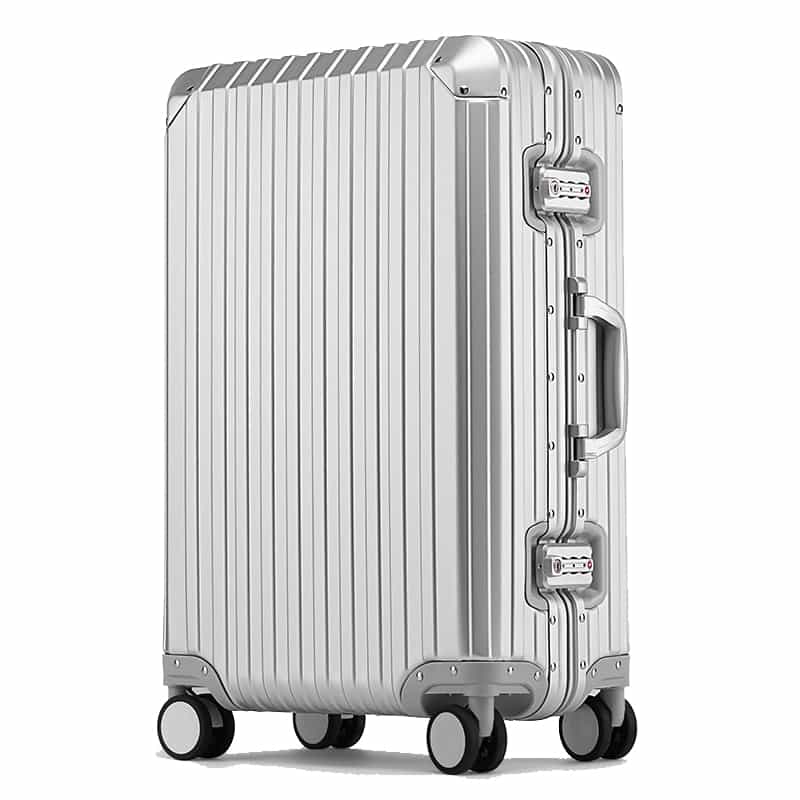
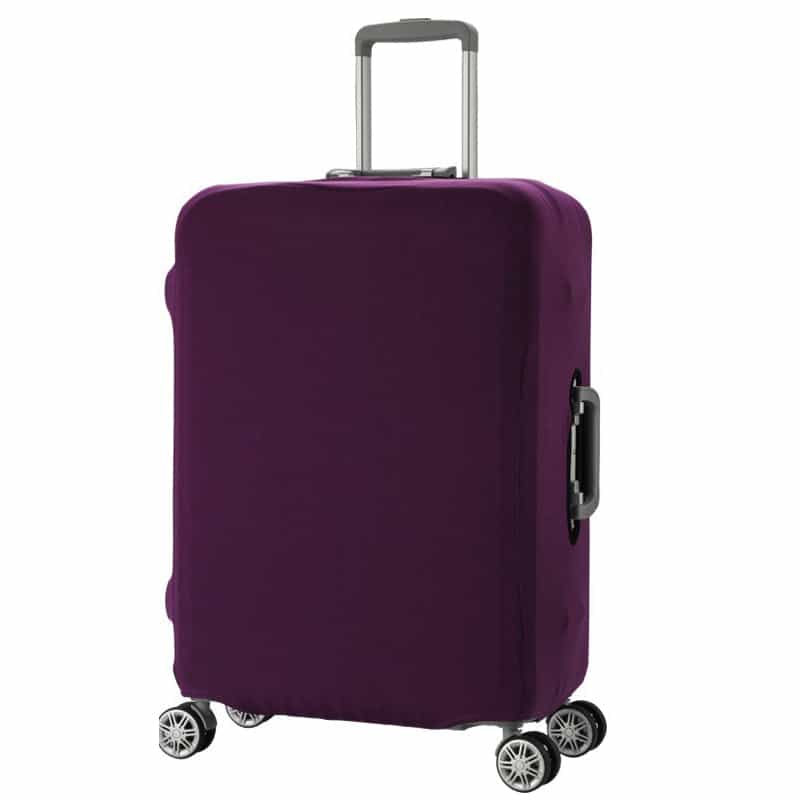
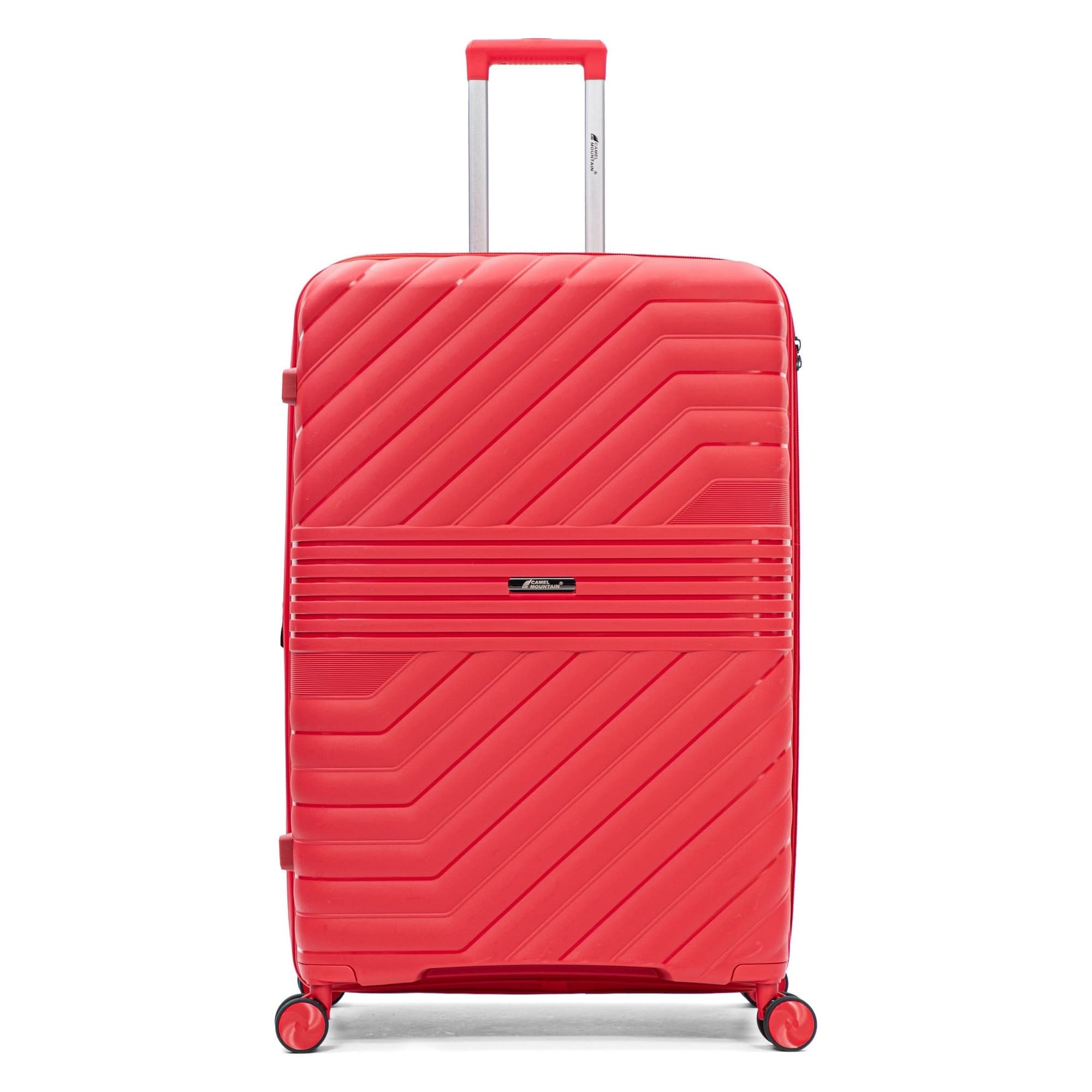
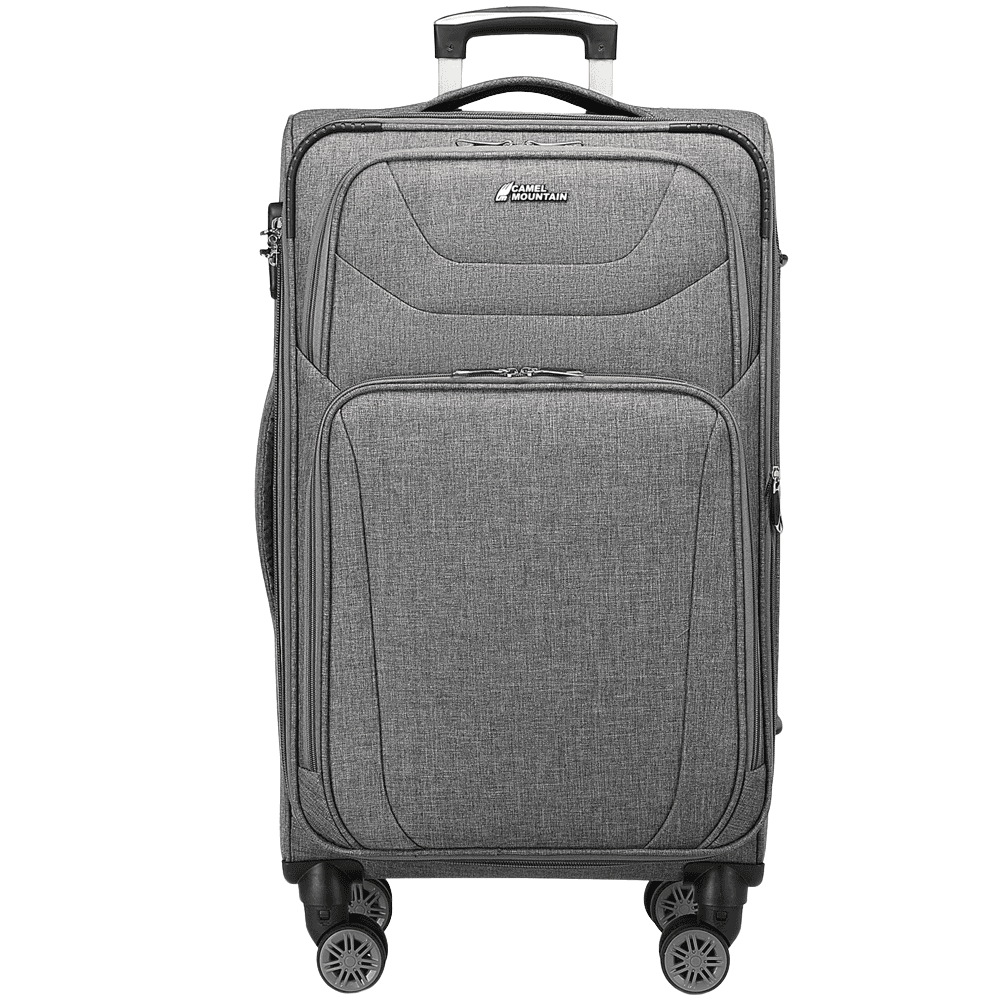
This is where folded length meets suitcase height. According to the specs of our suitcases, a 24-inch suitcase is 64 to 68 cm tall and a 28-inch suitcase is 73 to 78 cm tall. These measurements include the wheels, so the interior is a few centimeters shorter. Measure the poles folded, compare, and leave a little margin. Laying them diagonally gives you a few more centimeters.
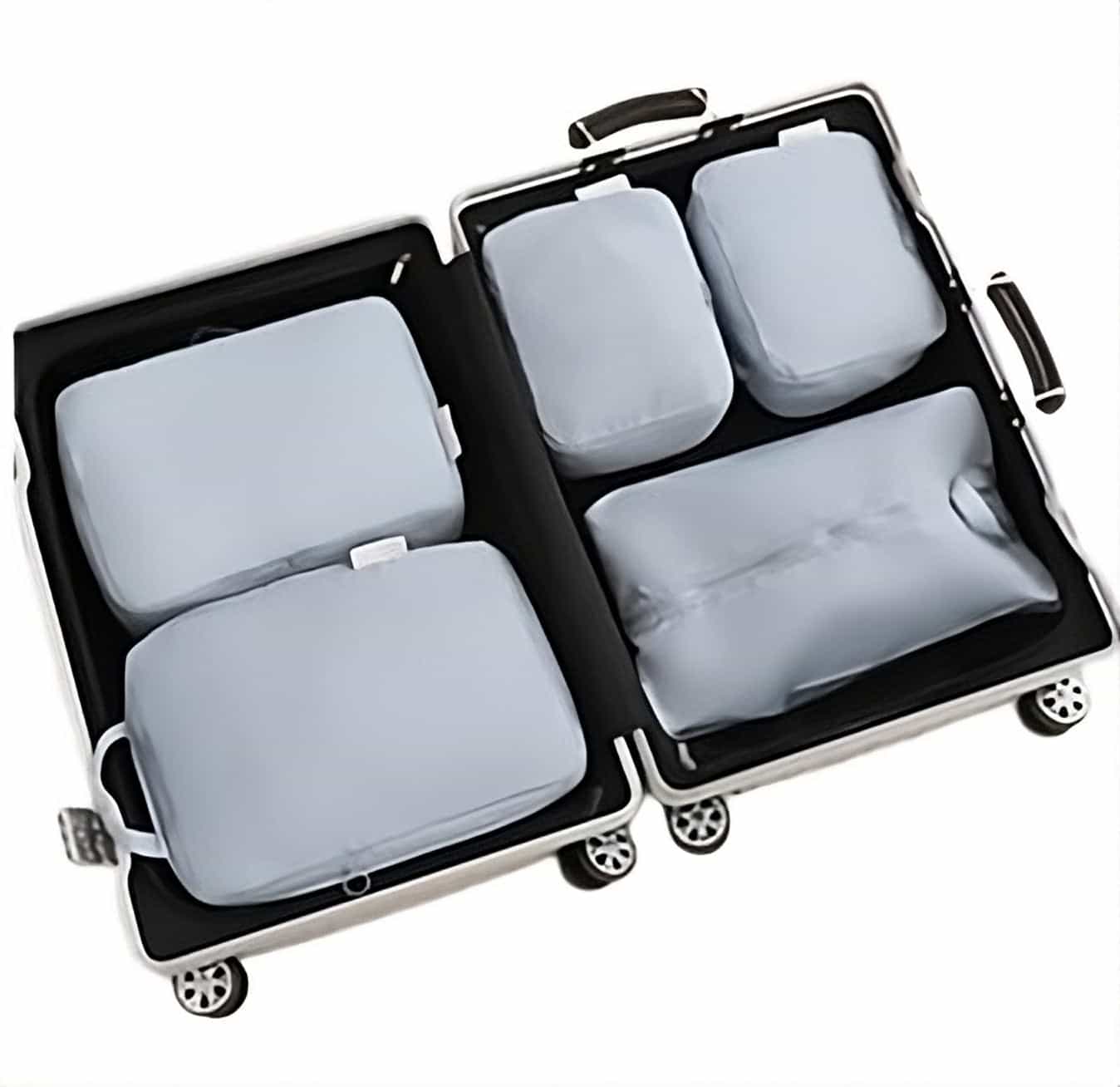
A hard suitcase protects thin poles better from the pressure of other suitcases, and a soft expandable suitcase gives you room for the hiking boots and jacket that come along with them. We have gathered all the sizes, volumes and weights in our suitcase size guide, and you will find the full range on our suitcases page.
A short checklist before you leave for the airport
- The poles are folded, tied together and the tips are covered.
- They are packed inside the checked suitcase or backpack, not strapped to the outside.
- Your ticket includes a checked suitcase, both out and back. On a connecting flight with another airline, check both tickets.
- The suitcase has been weighed at home. Poles, hiking boots and outdoor gear add weight fast, and the common weight limit for a checked suitcase is 23 kg.
- Your carry-on holds only the things allowed there: documents, medication, batteries and power banks.
Flying with carry-on only? Here are your options
- Add one checked suitcase. For a group or family, one suitcase is enough for all the poles, and it is best to book it in advance on the airline's website rather than waiting for the airport counter.
- Rent or buy at your destination. Many hiking areas have gear shops that rent or sell poles. Check in advance what is available near the start of the trail.
- Don't gamble on security. Even if someone told you they got through with poles in their backpack, the official rule hasn't changed, and the next officer may decide differently.
Want to go over the rest of your gear before closing the bag? Our guide what you can take on a plane in your carry-on has an organized list of liquids, batteries and banned items. And if you are flying with more expensive gear, such as skis, read how to protect sports equipment on a flight too.
Sources: Israel Airports Authority security screening guidelines, the UK government's sports equipment list, and the TSA hiking poles page.
Products in this guide

Frequently asked questions
Are folding walking poles allowed in carry-on?
Folding doesn't change the rule. Folding poles are still trekking poles with tips, and in the UK, for example, they are banned in hand luggage regardless of length. In the US only poles with blunt tips are allowed, and even there the officer decides.
Can I put rubber covers on the tips and take them on the plane?
Rubber covers are good for packing, but they don't make the poles allowed. The X-ray shows the metal tip under the rubber, and the decision stays with the officer. Don't count on it.
What happens if walking poles are found in my carry-on at security?
You won't be allowed through with them. Usually the options are to go back to the counter and check them in a bag for the hold, if there is time and the airline allows it, or to give them up. That is why it is better to pack them in your suitcase from the start.
Do walking poles in a suitcase count as sports equipment with an extra fee?
When the poles are packed inside a regular suitcase they are part of your baggage, within your ticket's weight limit. Sports equipment fees usually apply to large items sent separately. If in doubt, check the airline's baggage page.


