

How to Pack Fragile Items in a Suitcase: The Lesson From the Southwest Video
October 23, 2026
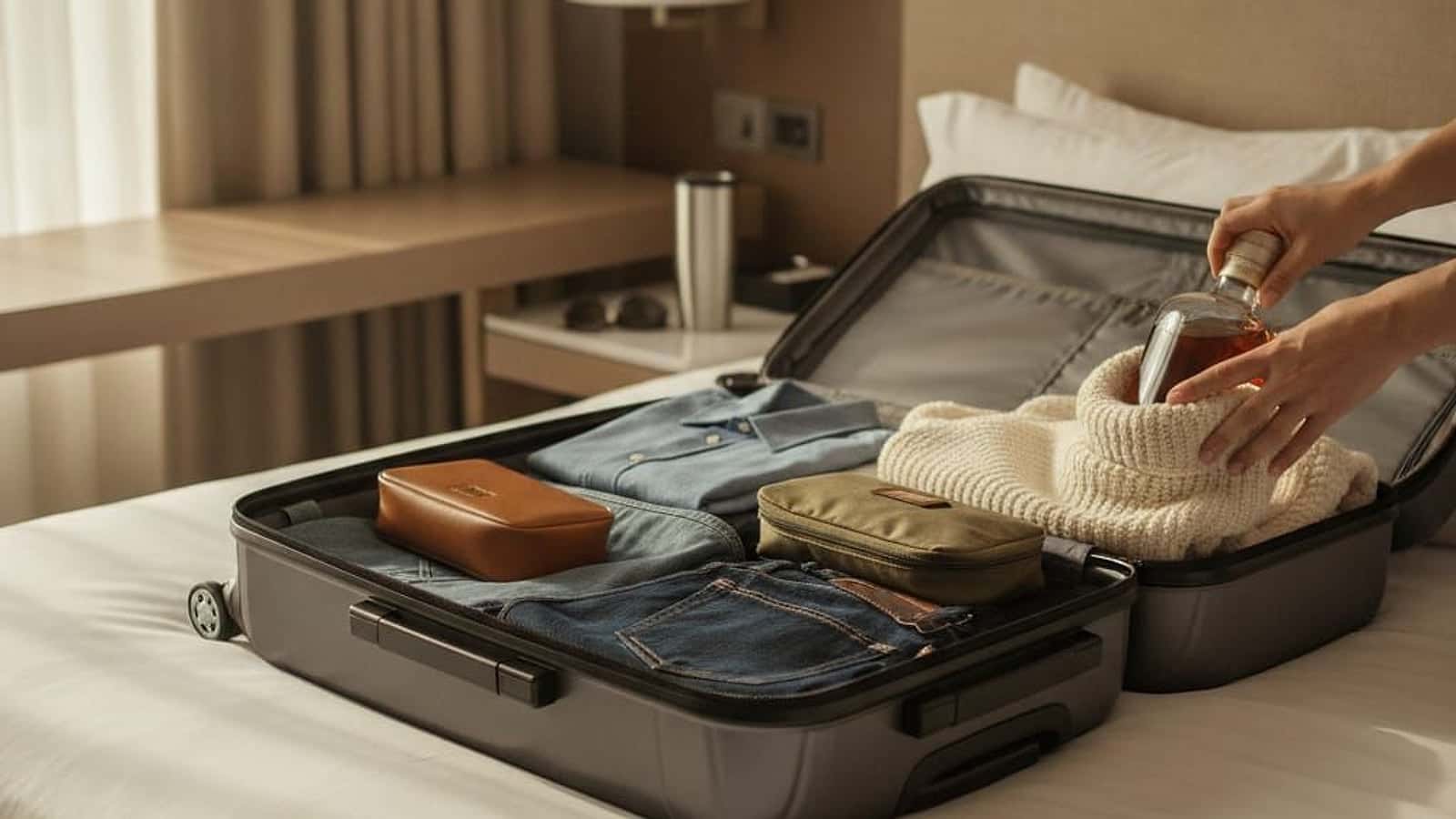
The first rule: whatever is truly fragile or valuable flies with you in the passenger cabin. Whatever has to go into the hold is packed in the center of the suitcase, wrapped in clothes, with no empty space around it and no contact with the sides, preferably in a hard suitcase that absorbs impacts. The viral Southwest video shows why: even when you ask nicely, the bag isn't always handled gently.
What happened in the Southwest video?
In September 2026 a passenger posted a TikTok video from the Southwest check-in desk in Houston. According to her, she asked the agent not to throw the bag because it had fragile things in it, and the agent replied that she wouldn't tell her how to do her job. In the video the bag is seen being slammed onto the conveyor belt. The video got more than 150 thousand views, and the comments were split between outrage and people writing that this is how bags are handled everywhere.
The lesson isn't about one airline. From the moment the suitcase leaves the desk it goes through conveyor belts, carts and the aircraft hold, and no sticker guarantees how it will be treated along the way.
What goes with you in the cabin and what can go into the hold
| Item | Where | How |
|---|---|---|
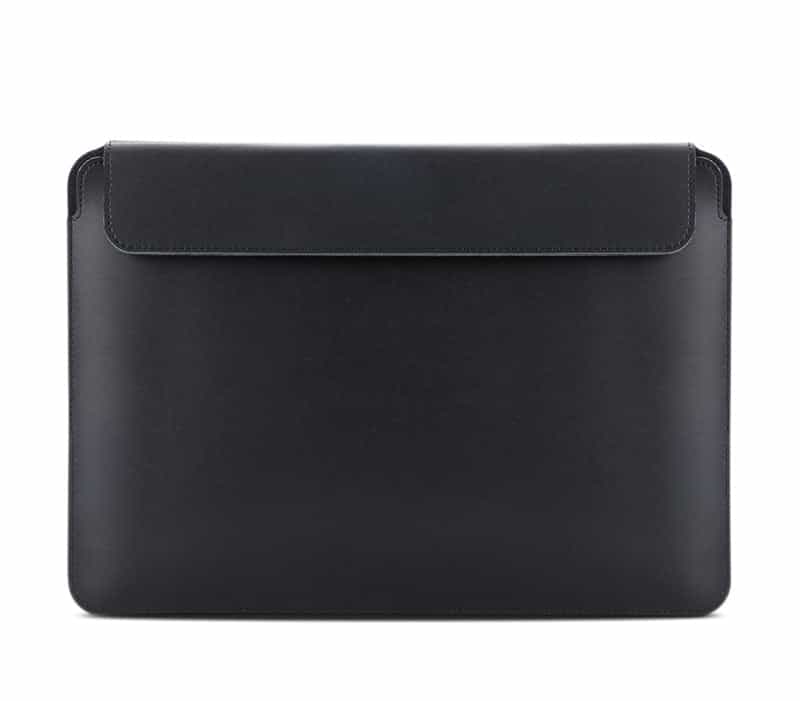
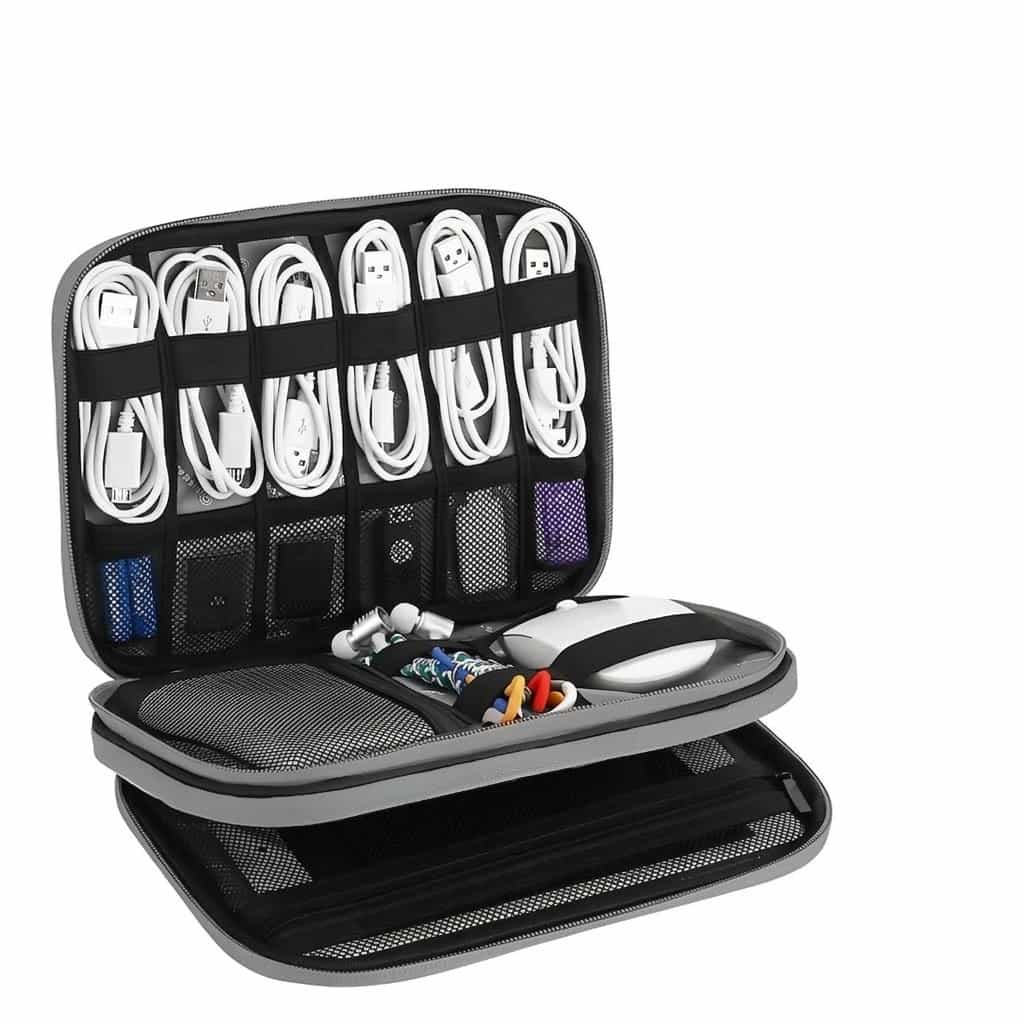
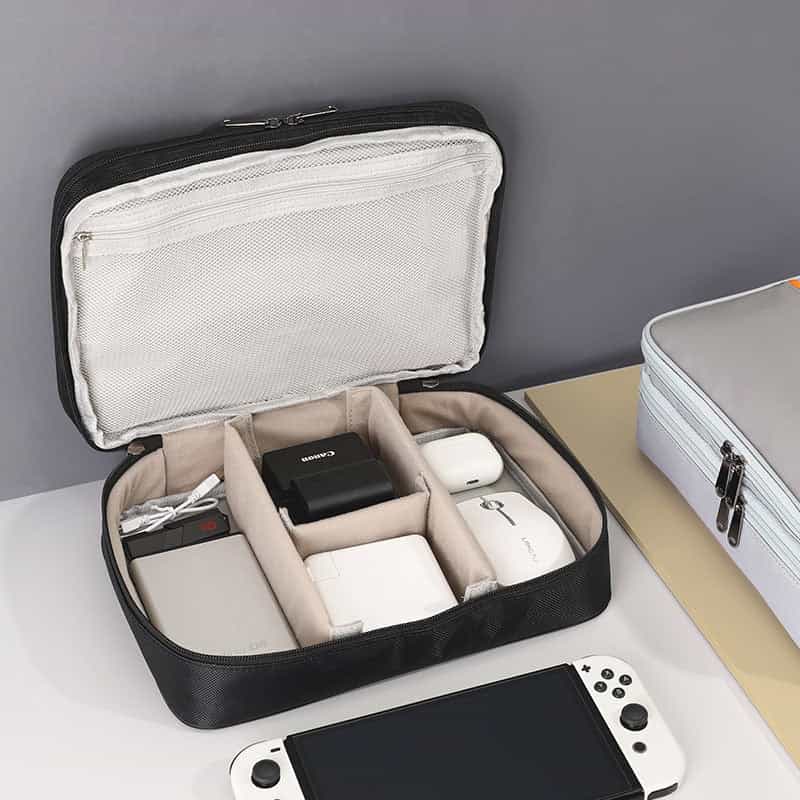
| Laptop, tablet, camera | Carry-on | In a padded compartment, not in the outer pocket |
| Power banks | Carry-on only | Prohibited in the suitcase that goes into the hold |
| Glasses, jewelry, medications | Carry-on | In a hard case or a closed pocket |
| Perfume or cream up to 100 ml | Carry-on or suitcase | In a closed bag, with the cap secured |
| A bottle of wine or olive oil | Suitcase | In a sealed bag, wrapped in clothes, in the center |
| Ceramics, glass, souvenirs | Suitcase (or carry-on if it fits) | In the original packaging or a hard box, in the center |
For the liquids rules and what else is allowed in the cabin, we have a full guide to carry-on bags.
How to pack a fragile item in a suitcase, step by step
- A soft base layer. Place thick clothes, a towel or a sweater at the bottom, so there's padding between the item and the side.
- Wrap each item separately. A bottle goes into a sock and then into a sealed zip bag, and only then gets rolled in a shirt or pants. For ceramics and glass a hard box is better, with paper or socks filling the space inside it.
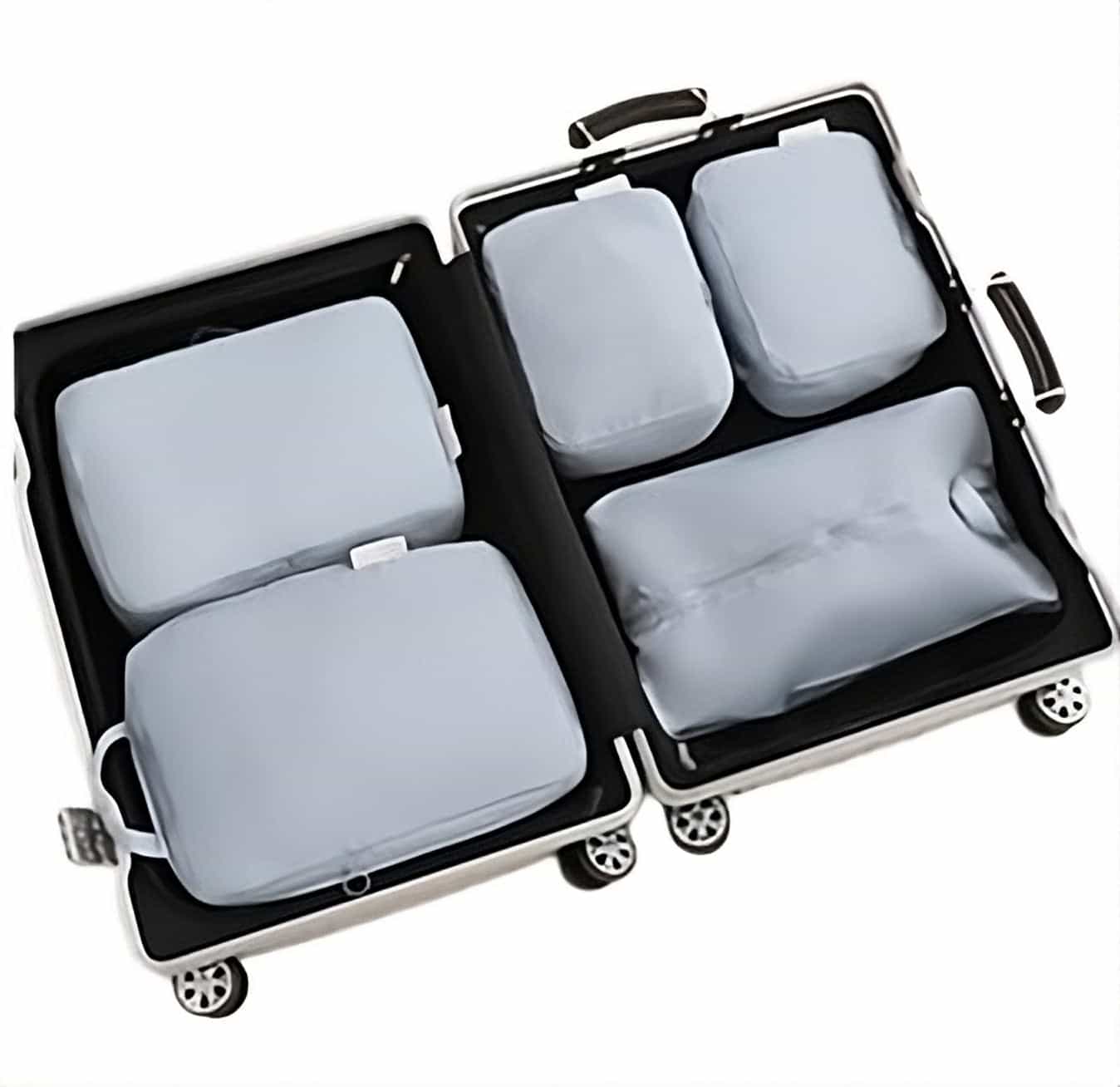
- Put it in the center, not at the edges. The corners and sides take the impacts, so place the fragile items in the middle of the suitcase, surrounded by clothes on all sides.
- Heavy items at the bottom, near the wheels. Shoes and books go on the wheel side, so that when the suitcase stands upright they don't fall onto the fragile item.
- Fill every gap. A half-empty suitcase is a suitcase whose contents roll around inside. Socks, scarves and small clothes fill the spaces.
- The shake test. Close it, lift it and shake gently. If something moves or rattles, open it and tighten things up.
And if the suitcase is full to the top, it's worth remembering our space-saving techniques, so the fragile items get the padding they need.
Which suitcase protects the contents better?
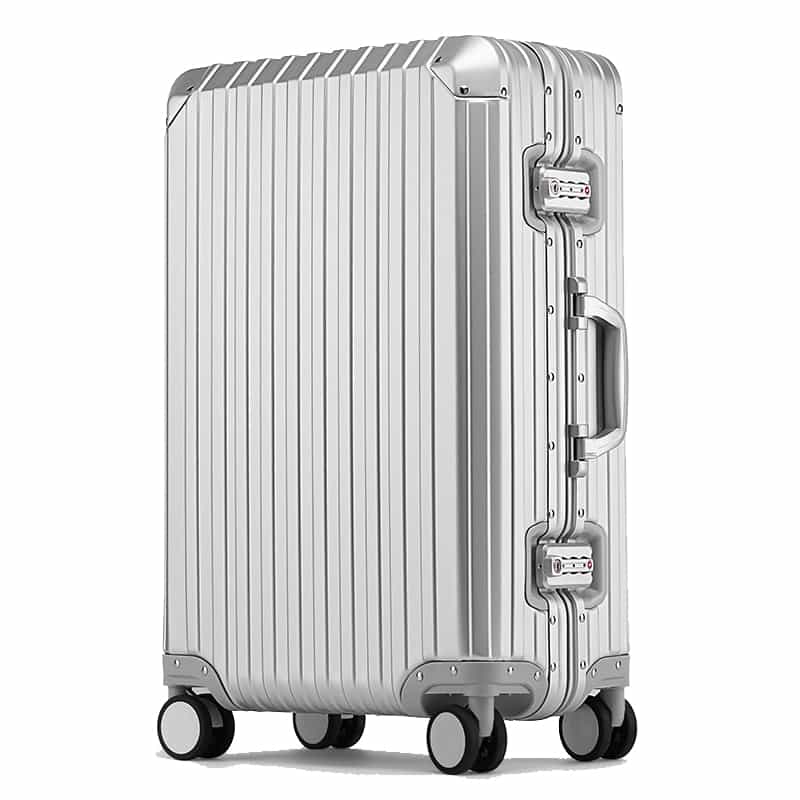
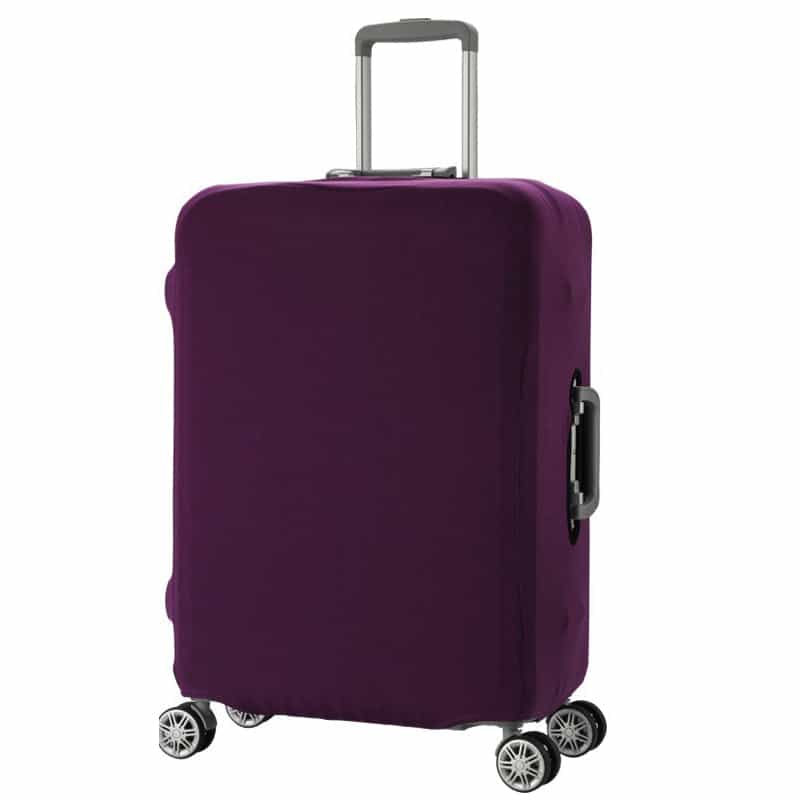
When you fly something fragile, a hard suitcase gives the contents a shell that doesn't get crushed when other bags are stacked on it. Among hard suitcases, the material matters: a polypropylene shell flexes when it takes a hit and returns to its shape, instead of cracking. We expanded on this in the article why it's worth switching to a polypropylene suitcase.
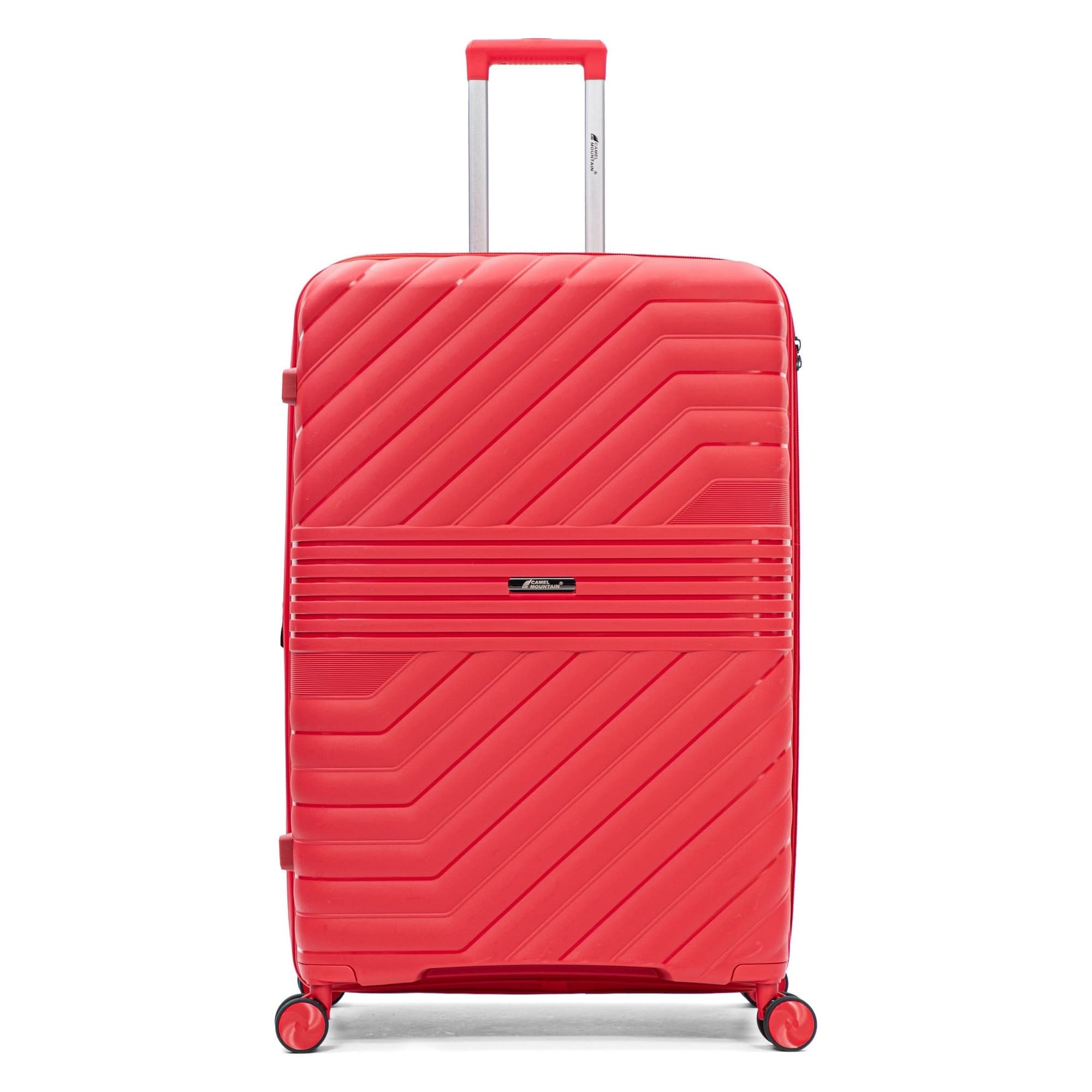
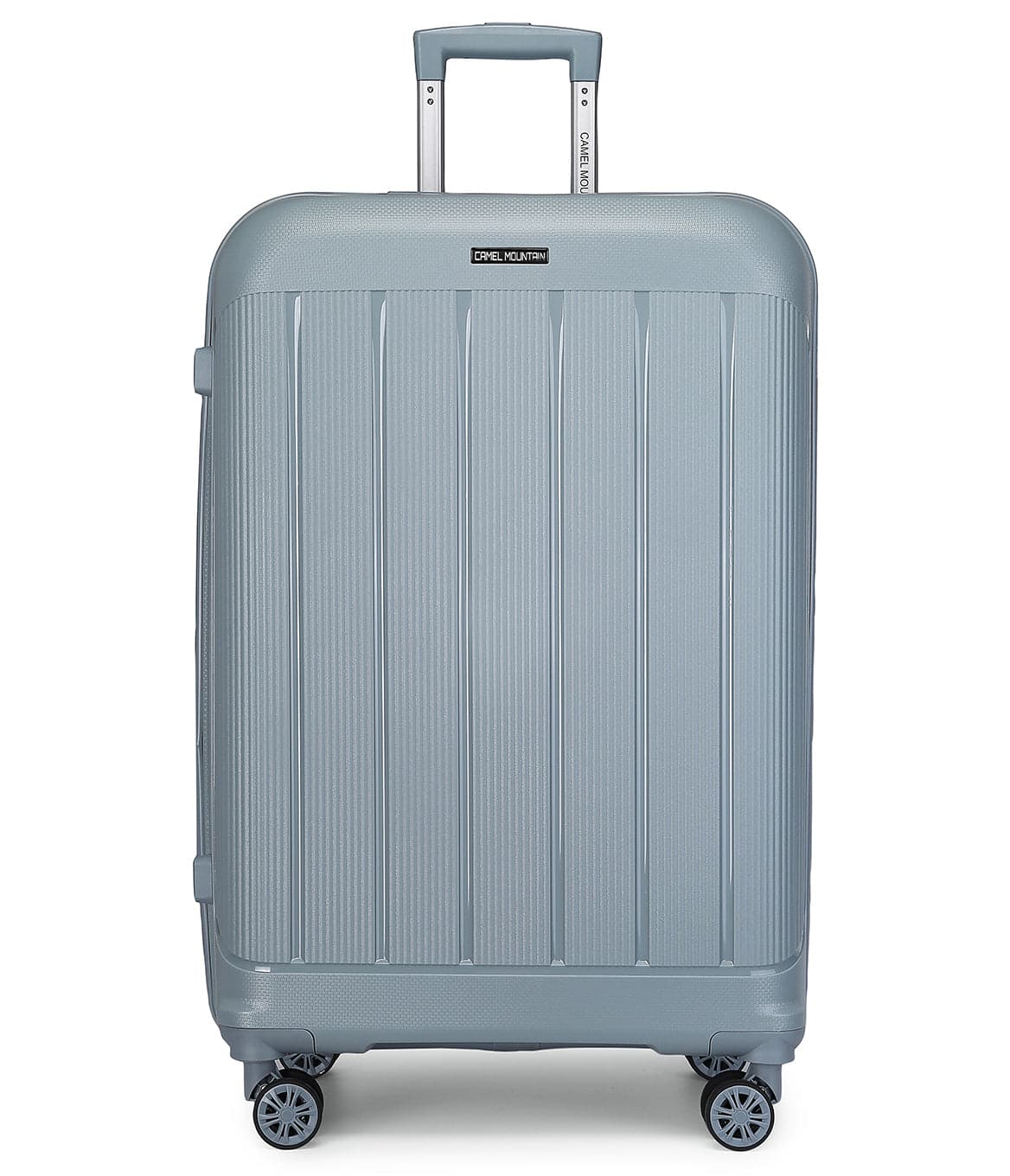
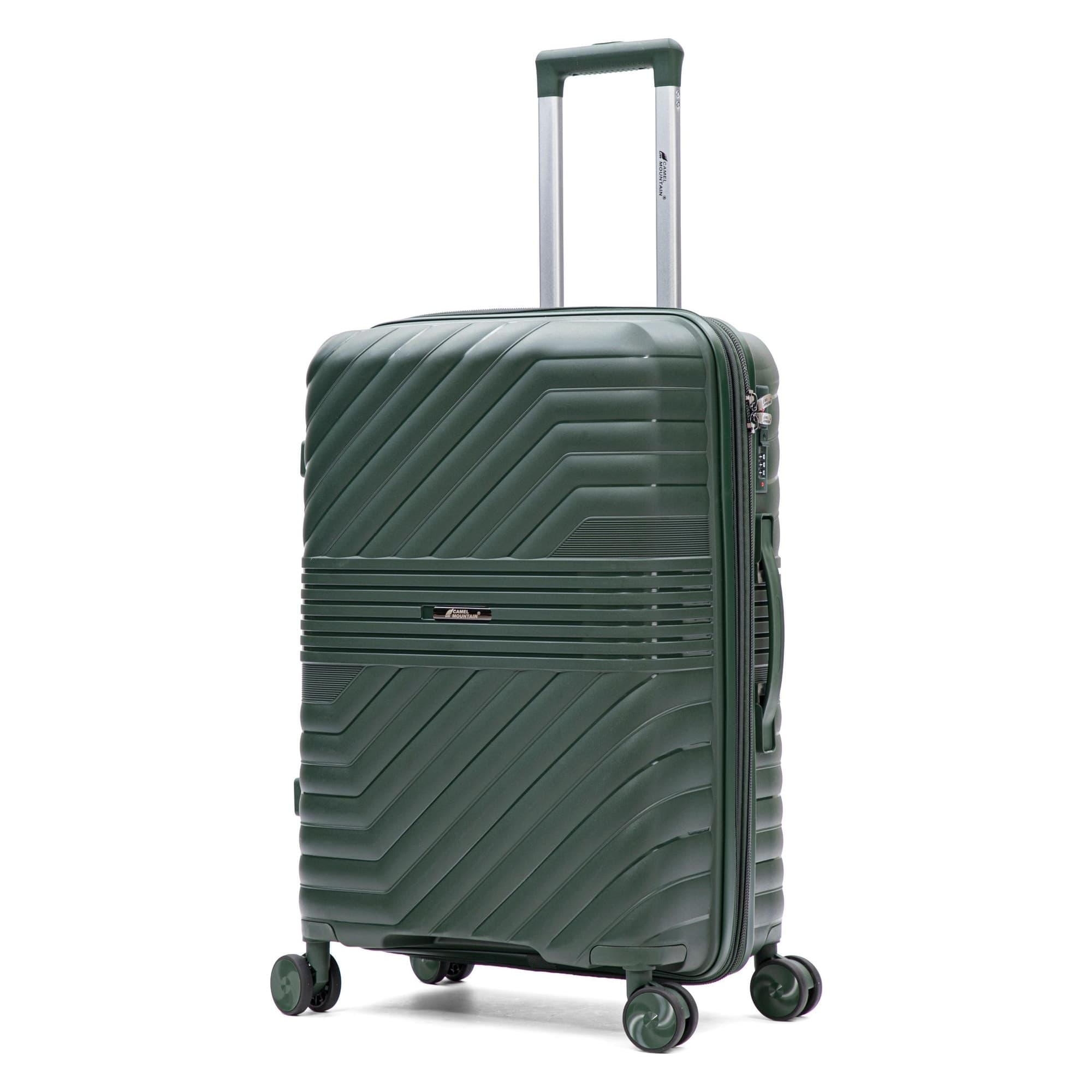
Our polypropylene suitcases, the Navigator and Infinity series, come with a 10-year warranty on the base (frame, hard shell, cracks and structural breaks) and 12 months on the wheels, handles, telescopic handle mechanism and zipper pulls. If you're torn between types, you can read our comparison of hard and soft suitcases, or see all our hard-shell suitcases.
A "Fragile" sticker: is it worth anything?
It won't hurt to ask for a Fragile sticker at the desk, but don't rely on it. It doesn't change the way the suitcase moves through the conveyor belts, and many airlines state in their conditions of carriage that they aren't liable for fragile items packed in checked baggage. So the rule is simple: whatever truly matters to you, in money or in sentiment, stays with you in the cabin.
Broke anyway? Here's what to do
- Don't leave the terminal before filing a damage report. Go to the Lost & Found desk or the airline's desk and fill out a damage report (PIR). Photograph the damage, the baggage tag and the boarding pass.
- Send a written complaint on time. Under the Montreal Convention, which applies to most international flights, a complaint about damaged checked baggage must be submitted in writing no later than 7 days after receiving it.
- Was the suitcase itself damaged? Damage caused while the airline was handling it is the airline's responsibility, not the manufacturer's. If it's a Camel Mountain suitcase and you have a valid damage report from an airline we work with, send it to us through the damage report form and you'll receive a new suitcase at no extra cost. All the details are in our guide to damage reports and warranty.
On the way back: the souvenirs
Most fragile items actually go into the suitcase on the way home: a bottle from duty free, a plate from the market, local jam. A few things that help:
- Leave room in advance. If you set out with a suitcase packed to the top, you won't find padding for fragile items on the way back. A suitcase with an expansion zipper gives you exactly that room when you need it.
- Keep the store's box. Original packaging with padding, inside clothes, protects better than any improvised wrapping.
- Dirty clothes make great padding. A closed laundry bag fills gaps and protects the bottles.
- Weigh it at the hotel. Bottles and jars are heavier than they seem, and overweight costs money at the desk.
Source
The story about the video is based on a report by Attack of the Fanboy from September 2026. Southwest did not respond in the article.
Products in this guide
Frequently asked questions
Does a "Fragile" sticker oblige the airline to handle the suitcase gently?
No. It's a request, not a commitment, and the suitcase goes through the same conveyor belts and carts as everything else. Many airlines also exclude liability for fragile items in checked baggage in their conditions of carriage, so valuable things are better taken into the cabin.
Can I pack a bottle of wine in a checked suitcase?
Yes. Put the bottle in a sock and a sealed zip bag, roll it in clothes and place it in the center of the suitcase, away from the sides and the wheels. It's worth checking in advance how much alcohol you're allowed to bring into your destination.
Can I put a power bank in my suitcase?
No. Power banks and spare lithium batteries go only in your carry-on, and they're prohibited in the suitcase that goes into the hold. Your phone, laptop and chargers are also better kept with you in the cabin.
What should I do if something breaks inside the suitcase?
Fill out a damage report at the airline's desk before leaving the terminal, photograph everything and send a written complaint within 7 days. It's also worth checking your travel insurance policy, because some airlines aren't liable for fragile contents.
A hard or soft suitcase for fragile items?
Hard. It doesn't get crushed when weight is placed on it, and a polypropylene suitcase also flexes on impact and returns to its shape instead of cracking. You can pack fragile items in a soft suitcase, but only with thick padding on all sides.


